September 28, 2026 · Bella Virtual Staging
New Development Marketing NYC: Which Renderings and Staging to Order, and When
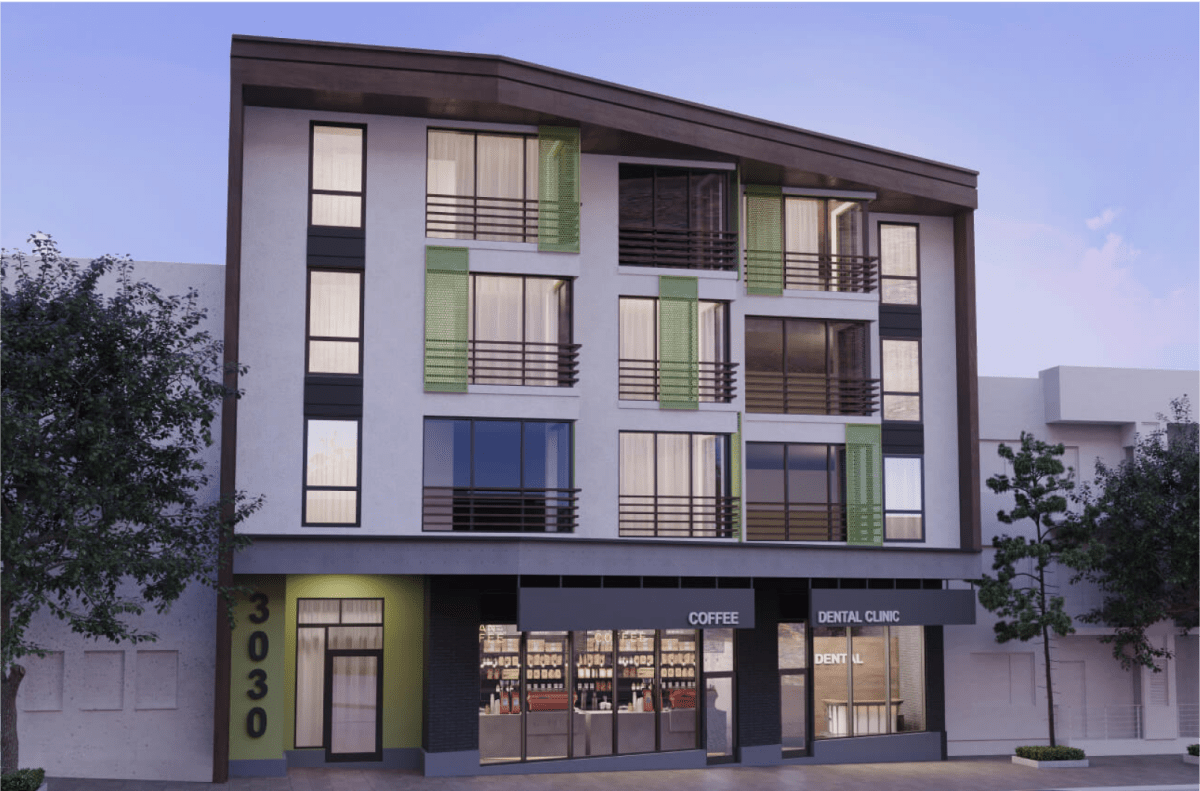
New development marketing in NYC sells residences before they exist, so the visual assets do most of the early selling. That means exterior and aerial renderings, residence and amenity interiors and 3D floor plans first, then virtual staging of real photos once units are finished. Commission renderings once the design is stable and before any public marketing starts; add virtual staging after completion for model units and finished-but-empty inventory. Label every rendering as a rendering, and disclose staging wherever the images appear.
Bella Virtual Staging makes these images by hand with human 3D artists and real interior designers, never AI, for real estate developers, sponsors and brokerages. Bella's New York clients include the luxury brokerage Brown Harris Stevens.

What does new development marketing in NYC involve?
It is the branding, pricing, sales-gallery and visual campaign a sponsor and its new-development sales team run to sell a new condominium, conversion or luxury building, usually before the building is finished. At many luxury brokerages, an expert team in a dedicated new-development division manages the entire process, from market research and pricing strategy through sell-out, working alongside the sponsor's architects and interior designers.
StreetEasy's guide to marketing a new development in NYC makes two points worth building on: New York is a city of micro-markets, so research the neighbourhood before setting the marketing strategy, and each building needs its own brand and lifestyle narrative, kept consistent across logos, the website, renderings and lifestyle photography. A Brooklyn waterfront rental and an Upper East Side condominium need different marketing strategies, and the images should show it.
Because potential buyers can't tour an unbuilt residence, the renderings, floor plans and later the staged photos are effectively the first showing. They appear on the offering website, in broker previews, on listings and in the sales gallery. Architectural rendering carries real estate marketing at this stage because there is no physical space to photograph yet, and buyers look online first: a NAR article cites NAR research that 100% of buyers now use the internet in their home search. High-quality renderings and interior visualizations are how an unbuilt building shows its value to potential buyers, potential tenants and investors.
New York law shapes the order of work. Under the Attorney General's Cooperative Policy Statement #1, a sponsor can test the market before its offering plan is accepted, but no reservations or deposits may be taken until the plan is accepted for filing, and market-testing advertising has to be cleared by the Department of Law first. The visuals therefore need to be ready, and accurate, before the first public message goes out. See how we approach 3D rendering in New York.
How do NYC new developments build interest before launch?
New developments usually start marketing before completion, to build early buyer interest while the building is still going up. StreetEasy's guide, written with a New York rental developer, describes the pattern: a teaser website where people can sign up for updates, a few ads, social channels and press releases during construction, then a bigger push around the grand opening, with renderings, lifestyle photos and tours. The developer's marketing lead makes a point worth copying: during the teaser phase, you are not showing all of your renderings, just enough to get the market interested.
For condominiums, the same teaser tactics fall under the Attorney General's market-testing rules, so plan which images go into the teaser, and label them, before the first ad runs. Rich visual content still does the heavy lifting in a competitive market: every new building is competing with the others launching nearby, and the renderings are what a buyer remembers.
When should you commission renderings for a NYC new development?
Commission the core rendering set once massing, facade materials, layouts and finish packages are stable enough that the images won't need to be redrawn, and early enough to have final images before any public marketing or market testing begins.
The trade-off is straightforward. Order too early, before finishes are locked, and materials or facades change, so the renderings have to be redone; at studios that charge for extra revision rounds, that adds cost. Order too late, and the launch waits on images, and tight deadlines are where rendering detail suffers. Balancing budget, quality and time is the real planning job. Renderings also let a team test demand and gather client feedback from brokers, lenders and partners before construction begins and before committing a large budget to print and media.
A practical sequence:
- Concept set for lenders and investors. Once the massing, facade and key layouts are reasonably firm, order an exterior hero and one or two residence interiors. These images help at the financing and equity stage.
- Full marketing set before launch. Once finish packages are locked, order the complete set: exteriors, residence interiors in each finish package, amenity spaces and 3D floor plans. This is the set that goes into the sales gallery, the offering website, the brochure and broker decks.
- Added images as the design evolves. Amenity and landscape renderings can wait until those designs are firm. Rendering them too early risks showing features that later change.
Bella's typical rendering delivery is 1–2 weeks per batch, with revisions included. Build review time for mark-ups into the marketing calendar so the team can refine each image before launch. Ask the architects for the current drawing set, finish schedule and floor-level data before the brief goes out; complete project requirements keep revisions to a minimum.
Which renderings should you order for a NYC new development?
Most launches need an exterior hero, a streetscape or aerial, the lead residence in each finish package and one image per signature amenity, plus 3D floor plans. Keep every image consistent in lighting, materials and camera height so the set reads as one brand. Inconsistent architectural visualization across a set undermines the story the images are meant to tell. Some teams add virtual tours for a more immersive experience; Bella focuses on the still renderings and staged photos that every channel needs.
Exterior hero views
The street-level daytime view anchors every campaign: the construction fence, the website hero and the brochure cover. A dusk view works well if the facade or the lobby glow defines the entrance. For towers, whether in Hudson Yards or on a Brooklyn waterfront, the entrance and podium matter as much as the crown; it is easy to focus on the skyline profile and overlook how the building meets the sidewalk.
Bella price: single-building exterior, $750 per image.
Streetscape and aerial views
These place the building among its real neighbours, or against the skyline, a park or a river. They are built from the address, site photography and the actual floor levels rather than an invented backdrop. Buyers weigh access to transit, schools and parks, and a streetscape that shows the real block tells that neighbourhood story visually.
Bella prices: streetscape or aerial, $1,000 per image; multiple buildings in one view, $1,400 per image.
Residence interiors
Render the living and dining area and the kitchen of the lead residence type in each finish package, from the same camera position so buyers can compare options, plus a primary bath for luxury projects. Views from windows should reflect the real floor height and orientation, because New York's condo advertising rule requires renderings to depict height and surroundings accurately.
Interior renderings at this level showcase the interior design language, help buyers judge how their furniture will fit, and should match the final product. Bella price: residential interior, $550 per image.
Amenity spaces
One image per signature amenity: the lobby, roof terrace, pool, fitness centre or residents' lounge. Amenity renderings matter in residential projects where shared spaces define the brand. If an amenity won't be available at closing, the advertisement has to say approximately when it will be (see the rules below).
Bella price: commercial interior (lobbies, amenities, retail), $700 per image. For penthouses and high-end residences, see luxury 3D rendering.
How should you use virtual staging for model units and finished-but-empty units?
Once residences are built and photographed, virtual staging furnishes the real photos of vacant units, presenting each one in its best light so buyers can judge scale and layout, without physically furnishing every unit or scheduling furniture deliveries into a newly completed building.
A common approach is to furnish one model residence physically for in-person tours, then virtually stage photos of the other lines and finished-but-empty units for listings. NAR's own coverage calls virtual staging a powerful alternative to physical staging when speed and budget matter. Staging earns its place: in NAR's 2025 Profile of Home Staging, 83% of buyers' agents said staging a home made it easier for a buyer to visualize the property as a future home.
Photos of the actual unit also matter on StreetEasy. Its Listings Quality Policy (section 4.4) requires listing photos to be of the actual unit; representative photos are allowed only if they have the same layout, room count and finishes and are in the same building, and the listing description must clearly say they are representative. That makes staging each line's own photos worthwhile: rather than reusing one model unit's images across different layouts, stage real photos of each unit type.

Bella's virtual staging is done by real interior designers, never AI, for $37 USD per photo, the same price for luxury listings. Photos come back in 24–48 hours, with unlimited revisions for two weeks and a rework-or-refund guarantee. Staging volume discounts are 5% off at 3+ photos, 10% at 6+, 15% at 11+ and 20% at 21+, and furniture removal is free with staging, so partly furnished units can be cleared and restaged in one order. See virtual staging in New York and luxury virtual staging.
What do New York rules say about renderings and staged photos in new-development marketing?
Renderings in condominium advertising must be labeled as renderings and be accurate, and staged or altered photos must not mislead, so disclose them. This section is general information, not legal advice; confirm requirements with offering plan counsel and brokerage compliance before publishing marketing materials.
13 NYCRR § 20.6, the advertising rule for condominium offering plans filed under Part 20:
- § 20.6(h): "An artist's rendering of a property in an advertisement must be marked as an artist's rendering and must accurately and realistically depict the dimensions, height and landscaping of the property and surrounding roads, buildings and open space."
- § 20.6(c): any chart or diagram in an advertisement must be consistent with the offering plan, and any room or floor plan must be to scale.
- § 20.6(e): advertisements must be consistent with the offering plan, and all assertions of fact must be demonstrably true.
- § 20.6(g): advertisements of amenities that won't be available at closing must state the approximate date of availability, and amenities or services that carry a fee beyond the common charges or purchase price must refer to that fee.
Cooperative Policy Statement #1 (market testing before an offering plan is accepted): the sponsor files an application to test the market; no reservations or deposits may be accepted until an offering plan is accepted for filing; advertising must be submitted to the Department of Law at least five business days before use; and an artist's rendering "shall be clearly labeled as such and shall accurately depict the dimensions of the advertised property."
NAR Code of Ethics, Article 12: "REALTORS® shall be honest and truthful in their real estate communications and shall present a true picture in their advertising, marketing, and other representations." (NAR Code of Ethics)
StreetEasy Listings Quality Policy, section 4.5: units must be advertised as they exist today, not with details of potential renovations, so show layout changes only as clearly labeled concepts.
Listing brokers are responsible for accurate listing content and should follow their brokerage's disclosure policy for staged photos. Accuracy is also the practical argument against AI-generated images here: AI tools approximate dimensions, facades and furniture scale, which is a problem when New York's rule requires renderings to depict dimensions and height accurately.
How much do renderings and virtual staging cost for a NYC launch?
Bella's prices in US dollars:
| Asset | Bella price | Typical use |
|---|---|---|
| Residential interior rendering | $550 per image | Living room, kitchen or bath in each finish package |
| Commercial interior rendering | $700 per image | Lobby, amenity or retail space |
| Single-building exterior rendering | $750 per image | Street-level hero or entrance view |
| Streetscape or aerial rendering | $1,000 per image | Skyline or neighbourhood context |
| Multiple-building rendering | $1,400 per image | Multi-building or full-block developments |
| Virtual staging | $37 per photo | Finished-but-empty units and model photos |
Worked example for a starter launch set: one exterior ($750) + one aerial ($1,000) + two residence interiors (2 × $550 = $1,100) + two amenity images (2 × $700 = $1,400) = $4,250 for the rendering set. Staging 12 photos of finished units: 12 × $37 = $444, less the 15% volume discount at 11+ photos = $377.40. The overall cost of the starter package is $4,627.40.
Revisions are included on renderings. Studio prices vary with scope, so compare quotes on the same views and deliverables. Competitive pricing matters, but sacrificing quality on the images that define the brand is a false economy when those images carry the whole pre-sale. Order renderings online.
What does a visual timeline for a NYC new development look like?
Map visuals to project milestones, not fixed calendar months: design development, market testing, offering plan acceptance and sales launch, construction updates, completion and sell-out.
- Design development: a concept exterior and one or two interior visualizations for partners, lenders and early decks.
- Market testing: the full marketing set of hero exterior, streetscape or aerial, residence interiors in each finish package, amenity spaces and 3D floor plans, ready for the teaser website, broker previews and sales gallery design. Market-testing advertising goes to the Department of Law at least five business days before use.
- Offering plan acceptance and sales launch: the complete image library across listings, brochures, digital marketing and the sales gallery.
- Construction and amenity updates: new or updated renderings as amenity designs are finalised or new floors are released.
- Completion: professional photography of finished units and virtual staging of finished-but-empty inventory, delivered in 24–48 hours.
- Sell-out: refreshed staging for slow-moving lines, with furniture concepts that respond to buyer feedback.
Lead times to plan around: renderings typically take 1–2 weeks per batch, plus internal review; virtual staging takes 24–48 hours. Build both into the marketing calendar with time for mark-ups.
New development marketing NYC checklist: best practices for visuals
Keep renderings and staged photos consistent with the actual finishes and views, so buyers aren't surprised on the tour. If cabinets, counters or flooring change after the renderings are delivered, update the images before they appear in advertising.
Scale furniture to the real rooms. Oversized furniture in a compact living room misleads buyers about usable space, and undersized furniture exaggerates it. Bella's designers furnish to the scale of the real room, which matters for credibility and for the accuracy the rules expect.
Label renderings and disclose staging everywhere the images appear: listing descriptions, brochure captions, sales-gallery labels and social posts. A NAR article on virtual staging draws the same line from Article 12: make sure virtually staged listing photos are clearly labeled as such. Buyers who feel misled by an unlabeled image lose trust in the building, not just the photo.
Keep an unedited original of every staged photo on file, so the team can produce it if a platform or compliance review asks.
For a visual package that covers 3D rendering in New York and virtual staging in New York, Bella works from your architectural plans, finish schedules, photos and project requirements.
Frequently asked questions
How early should NYC developers book renderings?
Once the design is stable and before any public marketing or market testing. Bella's typical delivery is 1–2 weeks per batch, with revisions included, so allow that window plus review time before any milestone that needs final images, such as a market-testing campaign, a website launch or the first broker event.
Can renderings be updated if finishes or layouts change?
Yes, from updated drawings, and revisions are included on Bella renderings. Major design changes are still best made before the final marketing set is ordered, so approved images don't have to be withdrawn after they are in circulation.
Do you use AI for new development renderings or staging?
No. Every image is produced by human 3D artists and interior designers, and their technical skills and technical expertise go into every model. AI tools can approximate dimensions, facades and furniture scale, which is a problem when New York rules require renderings to depict dimensions and height accurately, and when buyers compare the images with the finished building.
What's the difference between virtual staging and virtual renovation?
Virtual staging adds furniture and decor to real photos of an existing space. Virtual renovation changes finishes such as flooring, cabinetry or wall colour, and can show layout concepts on request. Both should be disclosed, and renovation images should be labeled as concepts so buyers know what is real. Bella offers virtual renovation as a separate service.