May 25, 2024 · Bella Staging
The Ultimate Listing Checklist for Realtors in 2026 (Free PDF)
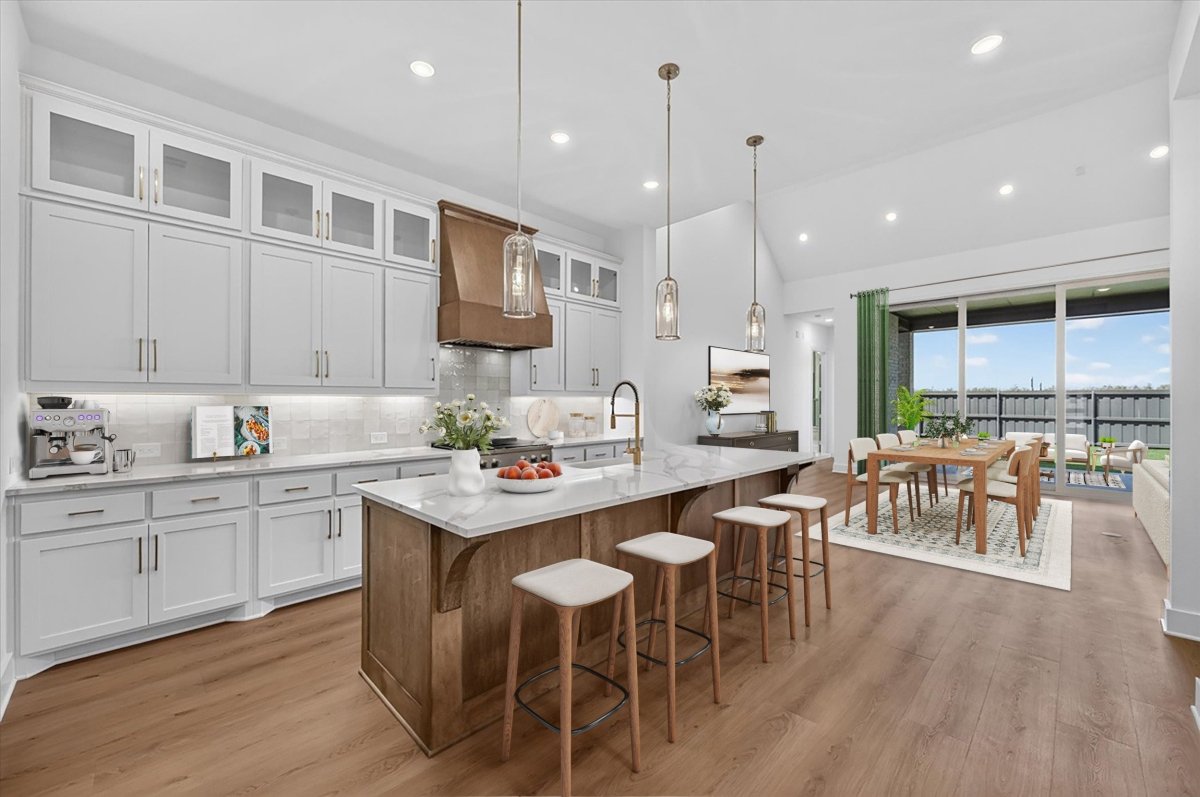
What belongs on a listing checklist for realtors? Five phases: prepare for the listing appointment (property research, a comparative market analysis and a pre-listing packet), run the appointment and sign the paperwork (the listing agreement, agency disclosures and seller disclosures), get the property market-ready (repairs, cleaning, staging and photography), launch the MLS listing and marketing, then manage showings, offers, closing and follow-up. The full new listing checklist is below, and a printable PDF version is at the end.
A listing touches the seller, the buyer's agent, the lender, the appraiser, the inspector and the title company, often in the same week. A checklist is how a listing agent keeps every step on track, looks prepared in front of the client, and avoids the missed disclosure or wrong square footage that causes problems at closing.

Key takeaways
- Do the research before the listing appointment: the property's history, a CMA and a seller questionnaire.
- Get the paperwork right on day one: listing agreement, agency relationships disclosure and every required seller disclosure.
- Prepare the property before the photo shoot. Photos and staging drive the first showing.
- File the MLS listing within one business day of any public marketing, as NAR's Clear Cooperation Policy requires.
- Keep a detailed list for the contract-to-close stretch: inspection, appraisal, lender, title company and closing date.
- Follow up after closing. Past clients are where the next listing comes from.
Listing appointment checklist: what should you prepare before meeting the seller?
Most listings are won or lost before the listing appointment starts. Use this appointment checklist in the days before you meet:
- Research the property's history: prior sales and listings, permits, tax records, lot size, HOA details and any past MLS listing photos.
- Send the seller a short questionnaire, as Tom Ferry recommends, about their timeline, reason for selling, upgrades, known issues and what they expect on price.
- Prepare a comparative market analysis with clear comps (see below).
- Build a pre-listing packet: your bio and reviews, the marketing plan, sample listing photos, staged before-and-after examples and a seller net sheet.
- Role play the presentation, especially your answers to pricing and commission objections.
- Plan the time. A first listing appointment typically takes 45 to 90 minutes, according to Tom Ferry, so arrive early and leave room for a walk-through.
How do you prepare a comparative market analysis?
A comparative market analysis compares the home with similar properties that recently sold, are on the market now, or were listed and didn't sell. It is the backbone of your pricing strategy.
- Pick comparable properties in the same neighborhood, ideally sold in the last three to six months.
- Compare size, condition, age, lot size and features.
- Review recent sale prices against current list prices and expired listings.
- Adjust for differences between the subject property and each comparable.
What happens at the listing appointment?
Most listing appointments end at the kitchen table, so plan the meeting around the conversation you want to have there.
Walk the property and listen
Tour the home with the seller before you present. Note upgrades, repairs to make, light fixtures and window treatments that date the rooms, and the features you'll lead with in the listing description. Ask about the seller's goals, timeline and bottom line, and explain how you'll communicate once the home is live.
Present the pricing strategy and marketing plan
Walk the seller through the CMA, then the plan: photography, staging, the MLS listing, syndication to real estate listings sites, social media, open house dates and your update schedule. Sellers sign with the agent who shows them exactly what happens next.
Sign the listing agreement and agency disclosures
- Listing agreement: the listing contract that authorizes your brokerage to market and sell the property, with its term, price, compensation (always negotiable) and any seller concessions.
- Agency relationships disclosure: many states require you to explain in writing who you represent. Use your state's form.
- MLS marketing choice: under NAR's Multiple Listing Options for Sellers policy, effective March 25, 2025, a seller can choose a delayed marketing or office exclusive listing, but only with a signed disclosure. Clear Cooperation still requires filing the listing with the MLS within one business day of public marketing.
Collect seller documents and disclosures
- Your state's seller property disclosure, completed by the seller.
- A lead-based paint disclosure for homes built before 1978. Federal rules require sellers and agents to disclose known lead hazards, give buyers the EPA pamphlet, and offer a 10-day period for a lead inspection (EPA).
- HOA documents, survey, recent utility bills, warranties and receipts for upgrades.
- Mortgage payoff details, keys, garage remotes and alarm codes.

New listing checklist: how do you get the property market-ready?
Preparation is where the seller's effort shows up in the price. Before the photo shoot:
- Complete minor repairs and touch-ups: paint, caulk, loose handles, dead bulbs.
- Declutter and depersonalize every room, and deep clean the whole home, including windows.
- Open window treatments, replace mismatched bulbs, and check that every light fixture works.
- Improve curb appeal: mow, edge, trim, sweep, and add fresh plants by the door.
- Stage the rooms buyers care about most. NAR's 2025 Profile of Home Staging found that 83% of buyers' agents say staging makes it easier for buyers to picture the home as their own, with the living room, primary bedroom and kitchen mattering most. For vacant rooms, virtual staging costs $37 a photo instead of renting furniture.
- Share NAR's consumer guide, Seller Checklist: 15 Things to Do Before Every Showing, so the seller knows the daily routine.
Book professional photography, video and virtual tours
Schedule the shoot for the best light, capture every room plus the exterior and standout features, and add drone photos, a floor plan and virtual tour links where they help. Our guide on how to take real estate photos covers the shot list if you shoot your own.
Write the listing description
Lead with the strongest feature, then cover updates, layout and location. Keep every property detail accurate, and describe the home, not the ideal buyer: the Fair Housing Act prohibits housing ads that indicate a preference based on race, color, religion, sex, disability, familial status or national origin.

MLS listing checklist: what should you do in launch week?
- Verify all the information before you publish: square footage, lot size, bedrooms, bathrooms, taxes, HOA fees and school details. Confirm them against public records.
- Upload the media: photos in walk-through order, virtual tour links, the floor plan and any disclosures your MLS allows.
- Change the MLS status to Active and check that the listing syndicates correctly to Zillow, Realtor.com and Redfin.
- Install the sign and lockbox, and set showing instructions and notification rules in your showing service.
- Market the listing: email your database, post on social media, hold a broker open, and schedule the first open house.
Timing matters, too. ATTOM's 2026 analysis of more than 52 million sales found the highest seller premiums for homes sold in March (10.7%) and the lowest in September (8.0%) and October (7.9%).

How should you manage showings and follow up?
- Confirm every showing request quickly, and give clear access instructions.
- Follow up with each buyer's agent for feedback within a day.
- Send the seller a weekly report: views, showings, feedback and the next steps you recommend.
- Review price and presentation if showings are strong but offers aren't coming, or if showings are thin.
What should you check when offers come in?
Review each offer
- Compare price against the list price and the CMA.
- Review financing, the lender pre-approval and the down payment.
- Check contingencies: inspection, appraisal, financing and home sale.
- Confirm the proposed closing date and any requests for seller concessions or buyer's agent compensation.
- Explain the trade-offs to the seller and give your recommendation.
Negotiate and counter
Know the seller's priorities and limits before you counter, use market data to support your position, and communicate promptly with the buyer's agent. Put every change in writing.
Contract-to-close checklist: how do you get to the closing date?
- Open escrow with the title company and confirm the earnest money deposit.
- Schedule the inspection and appraisal, and track both deadlines.
- Stay in touch with the buyer's loan officer on financing progress.
- Negotiate repair requests and document the agreement.
- Keep every document in your transaction management system.
- Confirm the final walkthrough, the closing time and who brings what.
Closing day
- Review and sign the closing documents with the seller.
- Confirm funds are disbursed and the transfer is recorded.
- Hand over keys, remotes and manuals, and change the MLS status to Sold.

Why does post-closing follow up matter?
Your next listing often comes from this one. Send a thank-you note or gift, check in a few weeks after the move, ask for a review, and add the client to your market updates. A short note on the home's anniversary keeps you top of mind for the next sale and every referral in between.


Frequently asked questions
What should I include on my listing appointment checklist?
The property's history and tax records, a CMA with clear comps, the seller's answers to a pre-appointment questionnaire, your pre-listing packet and marketing plan, a seller net sheet, the listing agreement, agency disclosures and your state's seller disclosure forms.
What should I include on my real estate listing presentation checklist?
Your bio and reviews, the pricing strategy and CMA, a marketing calendar, sample photos and staged examples, your communication schedule, an explanation of your fee and services, and the next steps once the agreement is signed.
What are the most important things to do before listing a house?
Price it correctly from a CMA, fix obvious defects, declutter and clean, stage the main rooms, and get professional photos. Those steps shape the first week on market, when buyer interest is highest.
What are the top 10 things to do to get my house ready for sale?
- Declutter every room.
- Deep clean, including windows.
- Make minor repairs.
- Repaint bold or scuffed walls in neutral colors.
- Replace dead or mismatched bulbs.
- Depersonalize: remove family photos and collections.
- Boost curb appeal.
- Stage the living room, primary bedroom and kitchen.
- Gather documents: disclosures, warranties and receipts.
- Book professional photography.
What is the hardest month to sell a house?
Nationally, fall is the weakest stretch for price. ATTOM's 2026 analysis found the lowest seller premiums in October (7.9%) and September (8.0%), against 10.7% in March. Local markets vary, so check your own data.
What not to tell your realtor when selling?
Don't hold anything back from your own listing agent about the home's condition. Known defects usually have to be disclosed, and surprises found later can sink a sale. What sellers shouldn't share is their bottom line with buyers or the buyer's agent, including at showings and open houses.
What is the 3-3-3 rule in real estate?
It is an informal guideline, mostly for buyers, and definitions vary. A common version is to keep three months of living expenses saved, keep three months of mortgage payments in reserve, and compare at least three similar homes before making an offer.
What is the 80/20 rule for realtors?
It is the Pareto principle: a small share of your activities and clients produce most of your results. For listing agents, that usually means past clients, your sphere and referrals, so keep the follow up on this checklist going after closing.
Download the printable listing checklist
Keep this listing agent checklist handy for every new listing. Download the PDF version of the listing checklist and work through it with your seller.
If the rooms are empty or dated, Bella's virtual staging turns vacant photos into furnished ones in 24 to 48 hours, from $37 a photo.