September 23, 2026 · Bella Virtual Staging
Open House Ideas: A Practical Checklist to Bring In Buyers (and Follow Up)
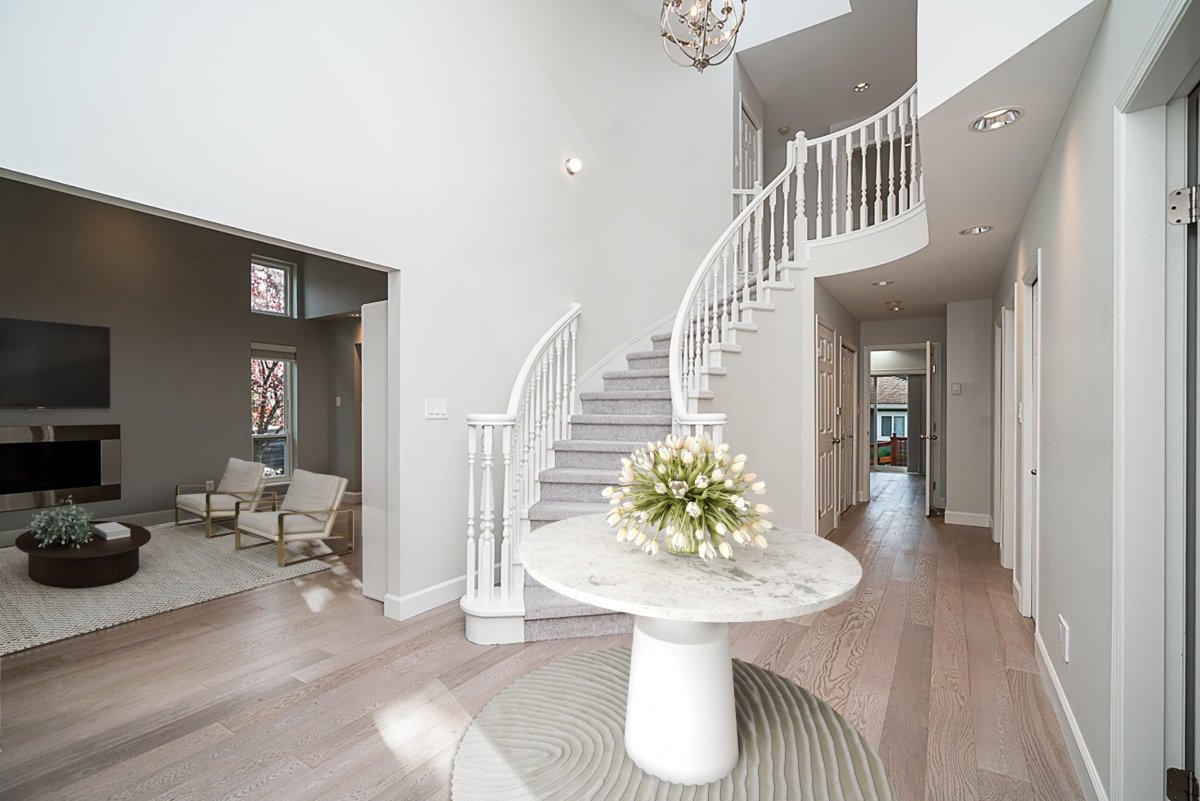
The best open house ideas are simple: market the listing well online before the event, make the home easy to picture living in, collect contact information from every visitor, and follow up within a day. Whether you are a new agent or one of the listing agents who host every weekend, this guide is a practical checklist grouped into before, during and after the open house. Pick what fits your next listing and skip what doesn't.
Bella Virtual Staging helps real estate agents and builders get listings open-house ready online with hand-made, never AI, images: virtual staging, floor plans, 360° tours and renovation visuals.
What makes an open house worth hosting?
Set a clear goal before the event, because that goal decides how you market, staff and follow up. A real estate open house can serve several purposes at once: generating buyer leads, collecting feedback for the seller, meeting neighbors who may sell soon, or moving a buyer toward an offer. Without a goal, you have no way to judge whether the day worked. For listing agents, a well-run open house also shows sellers the value you bring, and it is one of the simplest ways to meet new clients for your business.
If you want offers, your pre-marketing needs to attract serious prospective buyers, not just curious neighbors. If your goal is lead generation, your sign-in process and follow-up plan matter more than the refreshments. Define the outcome first and the ideas below become easier to choose.
How do you advertise open house details to drive traffic?
Advertise your open house early in the week to reach more potential buyers. NAR reports that 97% of home buyers start their search online, so the listing itself is where most visitors first meet the home. These promotion steps drive traffic:
Post the open house on the MLS early. MLS feeds syndicate to the major portals and brokerage sites, so enter the open house details (date, time, parking notes) as soon as you confirm them.
Use every channel your buyers use. Depending on your market, that can include a Facebook event, your brokerage website, a community newsletter or an ad in the local newspaper.
Lead the listing with your strongest photo. For a vacant or dated home, virtually staged photos, clearly labeled, help buyers see a purpose for empty rooms. A strong first image is what stops the scroll.
Add a floor plan. A 2D or 3D floor plan lets buyers understand the layout before they visit, so the people who show up are already interested.
Post short vertical video clips and an event post on social media. Tag the neighborhood, pin the post and ask friends and past clients to share it. A short clip of the kitchen or yard helps build excitement before the weekend.
Email your sphere and active buyers, and invite the neighbors. A neighbors-only preview hour before the public open house is a friendly way to meet people who may know a buyer, or who may sell soon themselves.
Place directional signs the morning of the event. Guide drivers from the main road to the front door, following local sign rules and HOA rules.
Share a 360° tour for out-of-town buyers. If you have a 360° virtual tour, post the link so remote buyers can preview the home. You can also livestream a short walkthrough during the event for people who can't attend.
How do you prepare the home and its curb appeal for an open house?
Preparation decides whether visitors remember the property or just the cookies. Work through these items the day before or the morning of:
Declutter and depersonalize. Put away family photos, fridge magnets, excess furniture and anything that makes it harder for buyers to picture their own life in the space.
Turn on every light and open the blinds. Replace burnt-out bulbs. You want to show the house in its best light, and bright rooms feel larger in person.
Set a comfortable temperature. A room that is too cold or too warm makes visitors leave faster.
Fix small things buyers notice. Sticky doors, chipped baseboards, a dripping faucet. These details tell a story about how the house has been maintained.
Tidy the curb appeal. Sweep the walkway, put out a clean doormat, trim the front yard and add a simple planter by the front door.
Secure valuables and medications. Lock away jewelry, prescriptions and personal documents. Not everyone at a public open house is a buyer.
Keep scent and sound light. A subtle, clean scent and quiet background music work better than heavy candles or a loud playlist.
What are creative open house ideas for a memorable open house?
Most open houses follow the same script: sign in, wander, leave. The ideas below give visitors reasons to engage, explore and stay a little longer, and a positive experience is what attendees remember when they compare homes later.
Welcome guests and collect contact information
Greet every guest at the front door. You don't need to roll out a red carpet; a personal welcome sets the tone before they see a single room.
Use a digital sign-in station or a well-designed open house sign-in sheet to collect name, email, phone and how they heard about the event.
Hand every visitor a feature sheet with the price, key features and your contact details. Some agents thank attendees who sign in with a small gift, such as a gift card to a local restaurant, where local rules allow it.
Help buyers picture living there
Stage key rooms with a specific purpose. A desk and lamp turn a spare bedroom into a home office; a set dining table suggests a weekend brunch.
For a vacant or dated home, show printed boards or a tablet with virtually staged or virtually renovated images, clearly labeled as virtual. Buyers standing in the empty room should never feel misled.
Put a large-print floor plan on an easel or the kitchen island so visitors can see how the rooms connect.
Add QR codes to the feature sheet and near the front door that link to the full photo gallery, floor plan and 360° tour.
Neighborhood and lifestyle
Make a simple board or handout with nearby schools, parks, transit, shops and a few fun facts about the community. Pull the facts from public sources like city websites and school district maps.
Invite a local lender to answer financing questions for part of the event, if your brokerage allows it. Unrepresented buyers in particular appreciate it.
Serve coffee or treats from a neighborhood café or bakery. Plenty of agents bake chocolate chip cookies, and that still works, but a local bakery's cookies also show off the area.
Food and small touches
Offer simple, mess-free refreshments: water on hot days, coffee or tea on cool mornings, everything individually wrapped.
Create a small seating area where visitors can sit, read the feature sheet and browse the photos. That pause often turns into questions, and questions turn into leads.
Leave a short printed or QR-code feedback form. It gives the seller useful input and gives you a reason to follow up.
Safety
Work with a colleague or assistant, especially if you expect more people than one agent can greet. One person can greet while the other walks the home.
Keep your phone charged, know the exits and walk every room before locking up; a vacant home with easy access should be checked carefully.
Looking for more creative open house ideas? Our unique open house ideas post covers themed formats, and our guide to virtual open houses covers hosting online.
How should you follow up after an open house?
The event creates interest; the follow-up converts it. Connections made at an open house fade quickly without a next step.
Follow up within 24 hours. Send each visitor a personal thank-you with the listing link, photos and floor plan.
Segment attendees in your CRM. Sort visitors into buyers with agents, buyers without agents, and neighbors or potential sellers, and send each group a different message. Invite unrepresented buyers to a buyer consultation.
Ask for feedback and share it with the seller. What did visitors like? What worried them? That feedback helps the seller decide whether to adjust price, presentation or marketing.
Offer private showings. Anyone who asked a lot of questions or lingered in a room deserves a personal invitation to come back.
Use direct mail. Send a postcard to neighbors and to visitors who didn't leave an email address, with the listing photo and your contact details. If the home goes under contract, a "just sold" card is a natural reason to reach out again.
What do open house visuals cost with Bella?
Bella's prices are listed openly and apply per image:
Virtual staging: $37 per photo, with furniture removal included when a room is occupied or cluttered.
Virtual renovation: $69 per photo for new floors, walls, counters, cabinets and fixtures. Layout changes are available on request, always disclosed.
Floor plans: 2D from $20; 3D $70.
Day-to-dusk photo editing: $5 per photo.
360° virtual tour: $99 per tour plus $37 per staged 360° photo.
Automatic volume discounts apply: 5% off at 3+ items, 10% at 6+, 15% at 11+ and 20% at 21+. Staging and photo editing are delivered in 24 to 48 hours. Full details are on the pricing page.
Do you need to disclose virtually staged photos at an open house?
Yes. Label them as virtually staged wherever they appear: on the MLS, on printed boards at the event and on social media. NAR Code of Ethics Article 12 requires REALTORS® to "present a true picture" in their advertising. In California, AB 723 requires agents who use digitally altered listing images to disclose the alteration and give access to the original, unaltered photo. Check your local MLS rules as well.
Buyers walking through the empty house should never feel misled by what they saw online. Bella's staging never adds windows, moves walls or changes square footage, which keeps agents compliant while still showing the home's potential.
Frequently asked questions
How do you measure open house success?
Compare the results with the goal you set: the number of sign-ins, buyer and seller leads, private showings booked, feedback gathered and, ultimately, offers or a sale. Tracking this for every real estate open house shows you which ideas are worth repeating.
How long should an open house last?
Most open houses run about two to three hours, often on a weekend afternoon. Pick a window that fits local habits, and use what you learn from traffic at your first open house to adjust the next one.
What day is best for an open house?
Weekends are the traditional choice because most buyers are free. A weeknight twilight open house can suit commuter neighborhoods. Avoid clashes with big local events, school functions or holidays that pull your target buyers elsewhere.
Should I stage a vacant home for an open house?
Physical staging is one option, though it costs more and takes longer to arrange. Many agents use virtual staging for the online photos, then show the labeled staged images on a tablet or printed boards at the event. Both approaches aim at the same thing: helping the person standing in an empty room picture it as home.
Is Bella's virtual staging AI-generated?
No. Every image is made by human interior designers and 3D artists. AI staging apps are fast and cheap, but they can produce furniture at the wrong scale, floating objects or altered windows and walls. Bella's hand-made work comes with unlimited free revisions for two weeks.