September 23, 2026 · Bella Virtual Staging
Renderings for Real Estate: How to Use Them to Market a Listing or Pre-Sale
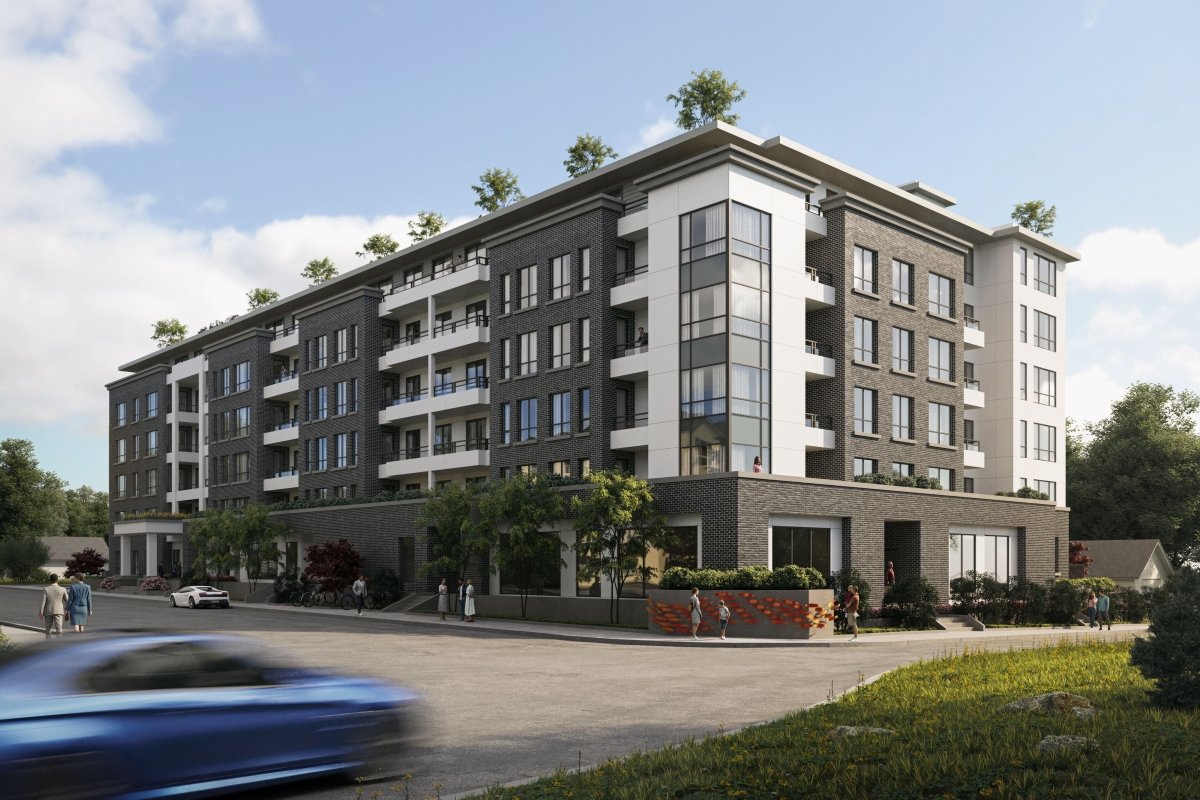
Renderings for real estate are photorealistic, computer-generated images built from architectural plans that show a property before it is built or renovated. Real estate agents, builders and real estate developers use them to market pre-sales, new construction and listings where no finished space exists to photograph. Renderings can be used in digital ads, websites, brochures and presentations, and for off-plan projects they are often the only visual material available. If the property doesn't exist yet, order renderings; if it already exists and can be photographed, virtual staging is faster and cheaper.
At Bella Virtual Staging, our renderings are modelled by human 3D artists and interior designers from your plans, never generated by AI. Renders start at $550 USD per image.
What are renderings in real estate?
Real estate renderings are computer-generated 3D images that show a property before it exists, giving potential buyers a clear understanding of the space, its finishes and its flow. The main types of real estate rendering each serve a different purpose: interior renderings show finished rooms with materials, lighting and furniture; exterior renderings show the facade, landscaping and surroundings; streetscape and aerial views place the project in its neighbourhood context; and 3D floor plans show an entire unit layout in one image, so buyers can see furniture placement without having to read a flat 2D plan.
For a deeper look at how these images are made and the technology behind architectural visualization, see our guides on what 3D rendering is and what an architectural rendering is.
When does a listing or project actually need a rendering?
A rendering is your best bet when there is nothing finished to photograph. That means pre-construction homes, condos and townhouses, residential development projects, commercial properties being pre-leased, and major renovation plans where the "after" doesn't exist yet. Renderings let you market off-plan properties before construction begins, so buyers can picture themselves in a space that is still months or years from completion. They also help convey a project's scale and design to investors and lenders when you need to secure financing.
If the property already exists, you usually don't need a full rendering. Virtual staging at $37 per photo adds furniture to real photos of an empty property, delivered in 24 to 48 hours. Virtual renovation at $69 per photo changes wall colors, flooring, finishes and fixtures in existing photos, so buyers of a dated home can see what it could become. Use each service for the matching situation: renderings for what doesn't exist, staging or renovation for what does.
Which renderings should you order for a listing or pre-sale?
Start with a focused shot list rather than ordering every possible angle. Fewer, well-chosen views make for a stronger marketing strategy and keep costs in line:
One or two hero exteriors. A dusk exterior works well as the lead image, because warm window light under a twilight sky stands out in a feed of daylight listing photos. This is the potential buyer's first impression of the exterior design.
The main living/kitchen space. This is the room buyers spend the most time imagining themselves in, so it earns the second render.
The primary bedroom. It anchors the private side of the home and helps buyers get emotionally invested in the property.
A 3D floor plan for each unit type. 3D floor plans show multiple layout options side by side, so buyers can compare units before a viewing and get a better understanding of how each space flows.
A streetscape or aerial for multi-building projects. Aerial views are worth it when context and amenities sell the project: residential complexes, mixed-use sites, or developments near parks and transit.
Pick camera angles buyers will actually experience: eye-level perspectives that show natural circulation and the views out of the windows. One dusk exterior paired with daylight interiors is a reliable combination for real estate marketing.
A practical tip for cost efficiency: once a space is modelled in 3D, additional angles of that same room cost less. Order the most important views first and add supplementary angles later; ask your project manager for pricing on extra views.
What do you need to give the rendering company?
The quality of your final render depends directly on the quality of your inputs. The more detail you provide, the fewer revision rounds you'll need:
Floor plans: the minimum. Even hand-drawn plans work if they include accurate dimensions.
Elevations and technical drawings: for exteriors, window placement, ceiling heights and rooflines.
Finish and fixture schedule: materials, wall colors, cabinetry style, countertops, hardware. This is the detail needed to match what will actually be built.
Landscaping plan: for exterior renderings, this sets trees, pathways, driveways and context.
Reference images or mood boards: photos of the furniture style, textures and colour palette you want. These align design ideas between you and the rendering team.
Preferred furniture style: Contemporary, Transitional, Modern Farmhouse, Scandinavian, or whatever fits your target audience.
CAD files, PDFs and hand-drawn plans are all acceptable. The key is clarity: locking in design decisions before the process starts avoids rework, and complete inputs mean the rendering matches what you will build, which keeps the project on schedule and the marketing honest.
How do you use renderings to market a listing or pre-sale?
Renderings become the visual backbone of the whole property marketing campaign. Here's how real estate professionals typically put them to work:
Launch a pre-sale landing page and register-interest campaign. Renderings let you start building a buyer list months before construction begins, because potential buyers have something tangible to respond to.
MLS and portal listings. Upload renderings to real estate listings with a clear "artist's rendering" label, and pair them with a floor plan so buyers get both the look and the layout.
Brochures, site signage and hoarding. High resolution images at 4K print quality turn a construction site into marketing material, so people walking past bare concrete can see the finished building.
Sales centre screens. For larger real estate projects, renderings on large displays let sales teams walk buyers through each unit type, amenity and view.
Social and email marketing campaigns. A consistent set of renderings gives every post and email the same visual identity, so the project is recognisable across channels.
Investor and lender decks. When you need to secure financing, photorealistic visuals communicate the project's vision more clearly than spreadsheets and site plans alone.
Keep one consistent furniture style and palette across every image so the project looks like one brand. For a deeper dive into pre-sale strategy, see our guide on how builders pre-sell homes with 3D rendering, and our home builder marketing page for how builders and construction companies use renderings, staging and floor plans together to sell properties before a single wall goes up.
How much do real estate renderings cost and how long do they take?
Render type |
Bella price (USD) |
Typical turnaround |
|---|---|---|
Interior residential |
$550 |
7–10 business days |
Interior commercial |
$700 |
7–10 business days |
Exterior single building |
$750 |
10–14 business days |
Streetscape or aerial |
$1,000 |
10–14 business days |
Multiple buildings |
$1,400 |
10–14 business days |
3D floor plan |
$70 |
2–4 business days |
Prices are per finished image (one space from one camera angle) and include revisions and 4K print-ready delivery. Canadian clients pay in CAD at checkout.
Automatic volume discounts apply: 5% off 3+ items, 10% off 6+, 15% off 11+ and 20% off 21+. New clients can claim a free $40 voucher. For builders, renderings can also replace furnishing a physical model unit for marketing, which is often slower and more expensive for single family homes and complex projects.
What drives cost is the detail needed: the complexity of the architecture, the number of views, custom landscaping, and context modelling for aerial views or streetscape shots. For a fuller cost breakdown, read our architectural rendering pricing guide, or go straight to our 3D rendering services page to start a project.
How do you keep renderings honest and compliant?
Label every rendering as an "artist's rendering" or "artist's impression", match the approved architectural plans, and don't show views, amenities or design features that are not planned or approved. A rendering can show the potential of a property that needs renovation, but it should never misrepresent what will actually be built.
The NAR Code of Ethics, Article 12, requires REALTORS® to present a "true picture" in their advertising. California's AB-723, in effect since January 1, 2026, requires a disclosure and access to the unaltered original when listing photos are digitally altered. Rules vary by MLS and region across the U.S. and Canada, so always check with your broker before uploading renderings to property listings.
For a full walkthrough of disclosure requirements, see our guide on how to disclose virtual staging: MLS, NAR and best practices.
Frequently asked questions
Can ChatGPT or AI create renderings for real estate?
AI tools can generate quick concept images for early design ideas, but they are not built from your actual drawings. Scale, windows and materials drift from what will be built, which is a real problem when you are marketing a real property to real buyers. Bella's real estate 3D rendering work is modelled by human 3D artists and interior designers from your plans, backed by a rework-or-refund guarantee.
What's the difference between renderings, virtual staging and virtual renovation?
Renderings build the whole space digitally from architectural plans, creating a scene that doesn't physically exist yet. Virtual staging adds furniture to real photos of an empty property ($37 per image), so buyers see a furnished space instead of bare rooms. Virtual renovation changes finishes and fixtures in existing photos ($69 per image), showing what a dated property could look like after upgrades. All three should be clearly disclosed wherever they appear in property listings.
How many renderings does a pre-sale need?
Start with a hero exterior, one or two key interiors (living area and primary bedroom) and a 3D floor plan for each unit type. For multi-building real estate projects or residential complexes, add an aerial or streetscape view. That gives you enough visual material to launch a pre-sale campaign, build a landing page and print brochures without overspending, and you can add angles later once the 3D model exists.
What do real estate renderings cost?
At Bella Virtual Staging, a real estate rendering starts at $550 per interior image and $750 per single-building exterior, up to $1,400 for multiple buildings, all in USD. 3D floor plans are $70. Volume discounts of 5 to 20% apply automatically, and prices include revisions and high resolution images ready for digital and print use. You can order 3D renderings directly or reach out for a quote on larger developments.