Sign In


Virtual Staging vs. Traditional Staging: Which One Sells Homes Better?
Bella StagingShare
When comparing virtual staging vs. traditional staging, virtual staging is often the better choice for listings that need affordable, fast, and attractive online marketing. Traditional staging may be more effective when creating a furnished in-person experience is the main priority. The best option depends on the property, budget, timeline, and target buyer.
Both approaches help buyers understand how a vacant property could look when furnished. However, they differ significantly in cost, speed, flexibility, convenience, and how buyers experience the home.
What Is Virtual Staging?
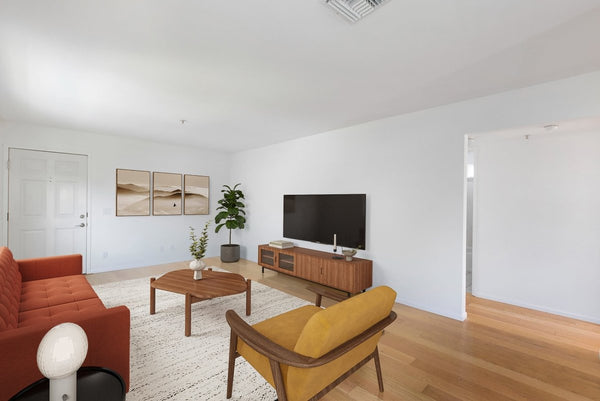
Virtual staging is the process of digitally adding realistic furniture, artwork, rugs, lighting, and décor to photos of a vacant room.
Instead of transporting physical furniture into the property, professional designers create furnished listing photos that show buyers how the space could be used.
Bella Virtual’s professional virtual staging service transforms vacant property photos into polished, market-ready images without furniture delivery, installation, or monthly rental fees.
Virtual staging is commonly used for:
- Vacant houses and condominiums
- Investment properties
- Rental listings
- New construction
- Model units
- Luxury properties
- Properties that need to be listed quickly
- Listings with limited staging budgets
What Is Traditional Staging?
Traditional staging involves bringing real furniture, artwork, rugs, and decorative accessories into a property before photography and buyer showings.
A professional home stager usually evaluates the property, selects suitable furniture, coordinates delivery, and arranges each room.
The furniture may remain in the property throughout the listing period. Depending on the staging agreement, the seller may also need to pay ongoing furniture rental fees until the items are removed.
Traditional staging is commonly used for:
- Luxury properties
- Model homes
- High-value vacant listings
- Properties with frequent open houses
- Listings where the in-person presentation is especially important
Virtual Staging vs. Traditional Staging at a Glance
| Comparison | Virtual Staging | Traditional Staging |
|---|---|---|
| Cost | Usually charged per image | Includes furniture rental, delivery, setup, and removal |
| Speed | Can be completed digitally within a short timeline | Requires consultation, scheduling, delivery, and installation |
| Flexibility | Styles and layouts can be changed digitally | Changes may require moving or replacing furniture |
| Convenience | No delivery or on-site setup required | Requires property access and installation |
| Best Use | Ideal for online marketing, fast listings, and controlled budgets | Ideal for premium showings and an in-person buyer experience |
1. Which Option Costs Less?
Cost is one of the biggest differences between virtual staging and traditional staging.
Virtual Staging Costs
Virtual staging is usually priced per image. This allows agents and sellers to select only the rooms that will have the greatest impact on buyers.
The most commonly staged rooms include:
- Living rooms
- Primary bedrooms
- Dining rooms
- Family rooms
- Home offices
- Outdoor living spaces
Because virtual staging does not require physical furniture, movers, storage, or installation, it is generally more affordable than traditional staging.
For a more detailed breakdown, read Bella Virtual’s guide to virtual staging costs.
Traditional Staging Costs
Traditional staging may include:
- Initial consultation fees
- Furniture and décor rental
- Delivery and pickup
- Installation and styling
- Monthly rental charges
- Insurance or damage fees
- Furniture replacement or rearrangement
The final cost depends on the property size, number of staged rooms, furniture quality, location, and length of the listing period.
Cost Winner: Virtual Staging
Virtual staging is usually the more cost-effective choice, especially for agents handling multiple listings or sellers working with a limited marketing budget.
Traditional staging may still be worthwhile for certain luxury properties where the physical presentation could support a premium buyer experience.
2. Which Option Is Faster?
Real estate listings often need to be prepared quickly. Delays in staging can also delay photography, marketing, and the listing launch.
Virtual Staging Timeline
Virtual staging begins once the vacant property photos and design instructions are submitted.
Because the entire process is completed digitally, there is no need to arrange:
- An on-site consultation
- Furniture delivery
- Movers
- Installation
- Styling appointments
- Furniture removal
This makes virtual staging particularly useful for listings that need to be published quickly.
Traditional Staging Timeline
Traditional staging requires more coordination.
The process may involve:
- Inspecting and measuring the property
- Creating a staging plan
- Selecting available furniture
- Scheduling delivery
- Installing and styling each room
- Scheduling professional photography
- Removing the furniture after the listing period
Furniture availability and the staging company’s schedule may also affect the timeline.
Speed Winner: Virtual Staging
Virtual staging is usually the faster choice because agents can move directly from property photography to digital staging.
3. Which Option Offers More Design Flexibility?
The staging style should complement the home’s architecture, location, price range, and likely buyer.
Virtual Staging Flexibility
Virtual staging makes it possible to select a design style that suits the listing without being limited by physical furniture inventory.
Popular virtual staging styles include:
- Modern
- Contemporary
- Scandinavian
- Transitional
- Mid-century modern
- Coastal
- Farmhouse
- Japandi
- Traditional
- Luxury
Furniture scale, color palettes, décor, and room layouts can also be adjusted digitally.
For example, a compact downtown condominium may benefit from clean, modern furniture that makes the room feel open. A suburban family home may be better suited to warm transitional furniture that creates a comfortable atmosphere.
Traditional Staging Flexibility
Traditional staging depends on the furniture that is currently available from the staging company.
Changing the design after installation may require:
- Replacing furniture
- Scheduling another delivery
- Moving large pieces
- Paying additional labor fees
- Extending the staging timeline
Flexibility Winner: Virtual Staging
Virtual staging offers greater flexibility because the design can be customized without physically replacing furniture.
4. Which Option Is More Convenient?
Virtual staging eliminates many of the logistical requirements involved in furnishing a vacant property.
Virtual Staging Convenience
With virtual staging:
- No movers need to enter the property.
- No furniture deliveries need to be scheduled.
- No storage space is required.
- No installation appointment is needed.
- No furniture pickup needs to be arranged.
- Sellers and tenants experience fewer disruptions.
- Agents can manage the process remotely.
This can be especially helpful for out-of-town agents, builders, investors, and property managers handling several properties.
If the property contains outdated furniture or clutter, Bella Virtual’s Furniture Removal and Virtual Staging Service can digitally clear the room before adding a new design.
Traditional Staging Convenience
Traditional staging requires property access for:
- Consultation
- Furniture delivery
- Installation
- Photography
- Maintenance
- Furniture removal
The seller or agent may also be responsible for keeping the staged rooms clean and protecting rented items from damage.
Convenience Winner: Virtual Staging
Virtual staging is generally more convenient because the entire process can be managed online.
5. Which Option Is Better for Online Listings?
Most buyers begin their property search online. The listing photos are often their first impression of the home.
Vacant rooms may appear cold, unfinished, or difficult to understand. Buyers may struggle to determine:
- The purpose of the room
- The size of appropriate furniture
- How furniture could be arranged
- Whether the room can support their lifestyle
Virtual staging helps buyers visualize the property through professionally furnished listing photos.
Strong staged images can help:
- Clarify the function of each room
- Demonstrate possible furniture placement
- Show the approximate scale of the space
- Create a more inviting first impression
- Help buyers imagine living in the property
- Make the listing more visually appealing online
Traditional staging can also create excellent listing photos. However, photography can only begin after the furniture has been selected, delivered, and arranged.
Agents can further improve their property images through Bella Virtual’s HDR Photo Editing Service, which helps create brighter and more polished real estate photos.
Online Marketing Winner: Virtual Staging
Virtual staging generally offers the best combination of speed, affordability, flexibility, and visual impact for online listings.
6. Which Option Is Better for In-Person Showings?
Traditional staging has a clear advantage when it comes to the physical buyer experience.
During a showing, buyers can walk through furnished rooms, understand the scale of the space, and see how different areas may function.
With virtual staging, the property remains vacant. The furniture shown in the listing photos is not physically present during the viewing.
Agents should manage buyer expectations by:
- Clearly labeling images as virtually staged
- Keeping the original vacant images available
- Explaining that furniture was digitally added
- Using realistically scaled furniture
- Avoiding misleading structural alterations
- Following local MLS and brokerage requirements
In-Person Experience Winner: Traditional Staging
Traditional staging is usually better when the physical experience during private showings and open houses is the primary concern.
Virtual staging is better when attracting buyers through online marketing is the main objective.
7. Which Option Requires Less Maintenance?
Traditional staging requires ongoing care while the furniture remains inside the property.
Rented furniture and décor may be exposed to:
- Dust and dirt
- Accidental spills
- Children
- Pets
- Moisture
- Damage during showings
- Theft or missing items
- Damage during delivery or removal
Depending on the agreement, sellers may be responsible for damaged or missing furniture.
Virtual staging does not create these risks because the furniture exists only in the marketing images.
Once the virtual staging is completed, the images can be used throughout the listing campaign without furniture cleaning, maintenance, or monthly rental extensions.
Maintenance Winner: Virtual Staging
Virtual staging requires less maintenance because there are no physical items to protect, clean, insure, or return.
When Should You Choose Virtual Staging?
Virtual staging may be the better choice when:
- The property is vacant.
- The listing needs to go live quickly.
- The marketing budget is limited.
- The agent needs attractive online photos.
- Only selected rooms need staging.
- The property is located far from the seller or agent.
- Furniture delivery would be difficult.
- The home is under construction.
- The listing is an investment or rental property.
- Multiple design styles are being considered.
- The seller wants to avoid monthly furniture rental costs.
Virtual staging is especially useful when the listing photos need to communicate the property’s potential without the cost and coordination of physical furniture.
When Should You Choose Traditional Staging?
Traditional staging may be worth considering when:
- The property is a luxury or high-value listing.
- The seller has a larger marketing budget.
- Frequent private showings are expected.
- Several open houses are planned.
- The home’s layout is difficult to understand while vacant.
- The property is expected to sell within a short period.
- The in-person buyer experience is central to the marketing strategy.
Can You Combine Virtual and Traditional Staging?
Yes. Some properties can benefit from a hybrid staging strategy.
For example, an agent may traditionally stage the living room and dining area while virtually staging:
- Additional bedrooms
- A home office
- A basement
- An entertainment room
- An outdoor patio
- A secondary living area
This approach can reduce physical staging costs while maintaining a strong online and in-person presentation.
Another option is to use limited physical furniture during showings and complete the full design digitally for the listing photos.
How to Get Better Virtual Staging Results
The quality of the final images depends on the original property photos and the experience of the design team.
Use Clear, High-Resolution Photos
Submit sharp, well-lit images that clearly show the walls, flooring, windows, and permanent features of the room.
Avoid blurry, dark, or heavily distorted photographs.
Photograph the Room While Vacant
Remove boxes, cords, cleaning supplies, personal belongings, and unnecessary clutter before taking the photos.
If the property is occupied, consider using Bella Virtual’s Furniture Removal and Virtual Staging Service.
Choose a Suitable Design Style
The furniture and décor should complement:
- The property’s architecture
- The surrounding neighborhood
- The listing price
- The room dimensions
- The target buyer
- The home’s existing finishes
Keep the Furniture Realistic
Furniture should be properly scaled and positioned according to the actual size and function of the room.
Avoid overcrowding the space or adding furniture that would not physically fit.
Disclose Virtual Staging
Virtually staged images should be clearly identified according to the applicable MLS, brokerage, advertising platform, and local requirements.
Virtual staging should help buyers understand a property’s potential without concealing permanent defects or misrepresenting structural features.
Virtual Staging vs. Traditional Staging: Which One Sells Homes Better?
Neither method is automatically better for every property.
Virtual staging is generally better for:
- Controlling marketing costs
- Preparing a listing quickly
- Creating attractive online images
- Testing different design styles
- Avoiding furniture rental and delivery
- Marketing vacant properties remotely
Traditional staging is generally better for:
- Creating a furnished in-person experience
- Supporting luxury property showings
- Helping buyers understand the home while physically touring it
- Preparing model homes and high-end listings
For most vacant listings, virtual staging offers the strongest combination of affordability, speed, flexibility, and online marketing value.
For premium listings where the physical showing experience is especially important, traditional staging or a hybrid approach may be more suitable.
Bring Your Vacant Listing to Life With Bella Virtual
You do not need to fill an entire property with rented furniture to show buyers its potential.
Bella Virtual transforms vacant property photos into realistic, professionally designed listing images. The service helps real estate agents, sellers, builders, and property managers create more inviting real estate marketing without the expense and logistics of traditional staging.
Order professional virtual staging for your listing, explore Bella Virtual’s real estate visualization services, or contact the Bella Virtual team to discuss your project.
Frequently Asked Questions
Is virtual staging better than traditional staging?
Virtual staging is usually better for affordability, speed, flexibility, and online listing presentation. Traditional staging may be better when buyers need to experience physically furnished rooms during a showing.
Is virtual staging cheaper than traditional staging?
Yes. Virtual staging is generally more affordable because it does not require furniture rental, delivery, installation, storage, insurance, or monthly rental extensions.
How does virtual staging work?
The agent or photographer submits photos of the vacant rooms. Professional designers then add realistic furniture and décor digitally based on the room, preferred style, and target buyer.
Does virtual staging place furniture inside the property?
No. Virtual furniture appears only in the edited listing photos. The actual property remains vacant unless physical furniture is installed separately.
Can virtual staging help sell a vacant home?
Virtual staging can make a vacant listing more inviting and easier to understand online. It helps buyers visualize furniture placement, room purpose, scale, and lifestyle potential.
Read more about how virtual staging helps sell homes faster.
Which rooms should be virtually staged?
The living room, primary bedroom, dining room, family room, and home office are usually the most valuable rooms to stage. Agents should prioritize spaces that help buyers understand the home’s layout and lifestyle.
Can occupied rooms be virtually staged?
Yes. Existing furniture and clutter can be digitally removed before a new furniture arrangement is added through a Furniture Removal and Virtual Staging Service.
Can I choose the virtual staging style?
Yes. The design can be selected according to the property’s architecture, finishes, location, listing price, and target buyer. Common options include modern, contemporary, transitional, coastal, Scandinavian, and mid-century modern.
Should virtually staged photos be labeled?
Yes. Virtually staged images should be clearly disclosed according to the applicable MLS, brokerage, advertising platform, and local requirements.
Should I include the original vacant photos?
Requirements vary, but keeping or including the original vacant photos can improve transparency. Agents should always follow their local MLS and brokerage policies for digitally modified listing images.
Can virtual staging change walls, flooring, or permanent features?
Basic virtual staging focuses on adding furniture and décor. More extensive changes to walls, flooring, cabinetry, and finishes may require a separate Virtual Renovation and Virtual Staging Service.
Can I use both virtual and traditional staging?
Yes. A hybrid approach can work well. Important rooms may be physically staged for showings, while secondary spaces are virtually staged for the online listing.