July 30, 2026 · Bella Staging
Virtual Staging Design Styles: How to Choose the Right Look for Your Listing
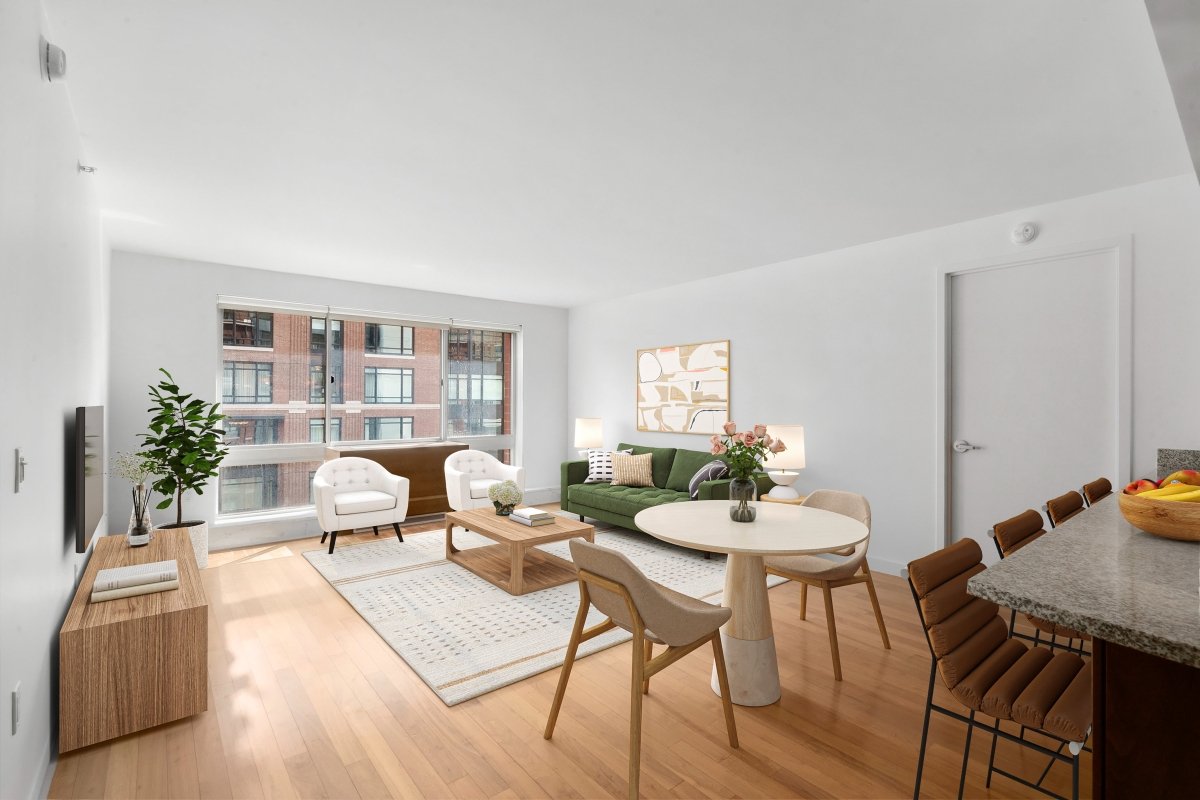
Choosing the right virtual staging design style depends on the property’s architecture, target buyer, location, price range, and existing finishes. The best style should complement the home instead of competing with it. It should also help potential buyers understand the room’s purpose, size, and overall potential.
From modern and minimalist interiors to coastal and traditional designs, virtual staging allows real estate professionals to present each property with a look that appeals to the right audience.
Why Virtual Staging Design Style Matters
Virtual staging is not simply about adding furniture to an empty room. The furniture, colors, accessories, and layout should work together to create a realistic and cohesive presentation.
The right design style can:
- Highlight the property’s strongest architectural features
- Help buyers visualize how the space can be used
- Create a consistent look throughout the listing
- Make vacant rooms appear more welcoming
- Appeal to the lifestyle preferences of target buyers
- Improve the overall quality of listing photos
When the staging style matches the home, the final images feel more natural and believable.
Consider the Property’s Architecture
The architecture of the home should be one of the first factors considered when selecting a design style.
For example, a newly built condominium may look best with contemporary or minimalist furniture. A craftsman-style home may benefit from transitional or traditional furnishings, while a coastal property may suit light, airy furniture and natural textures.
Avoid choosing furniture that feels disconnected from the building. Extremely ornate furniture may look out of place in a sleek modern apartment, while ultra-minimal furniture may not complement a classic period home.
Think About the Target Buyer
The staging style should also reflect the type of buyer most likely to be interested in the property.
A downtown condominium marketed to young professionals may benefit from a modern, contemporary, or industrial look. A suburban family home may work better with transitional, Scandinavian, or modern farmhouse furniture.
Luxury listings may require more sophisticated materials, elegant furniture, and carefully selected accessories. Meanwhile, starter homes often benefit from simple, welcoming designs that feel practical and achievable.
Popular Virtual Staging Design Styles
1. Modern
Modern virtual staging uses clean lines, simple furniture, neutral colors, and minimal decoration. It creates an organized and polished appearance without making the room feel overly formal.
Modern staging works well for:
- New construction
- Condominiums
- Renovated homes
- Urban properties
- Open-concept spaces
This style often includes streamlined sofas, simple coffee tables, geometric lighting, and subtle decorative pieces.
2. Contemporary
Contemporary design reflects current interior trends. It may include curved furniture, bold accent pieces, mixed materials, statement lighting, and a combination of neutral and contrasting colors.
Contemporary staging works well for:
- Updated homes
- Luxury condominiums
- Modern family residences
- High-end listings
- Properties with large windows or open layouts
Because contemporary design follows current trends, it can make listing photos feel fresh and visually engaging.
3. Minimalist
Minimalist staging focuses on simplicity, function, and open space. It uses fewer furniture pieces, limited accessories, and a restrained color palette.
Minimalist staging is ideal for:
- Small rooms
- Narrow spaces
- Studio apartments
- Compact condominiums
- Homes with strong architectural features
The furniture should be carefully scaled so that the room appears spacious without looking empty.
4. Scandinavian
Scandinavian design combines simplicity with warmth. It typically includes light wood, soft neutral colors, comfortable textiles, natural materials, and clean furniture shapes.
Scandinavian staging works well for:
- Family homes
- Apartments
- Bright interiors
- Smaller properties
- Homes with white or light-colored finishes
This style creates a comfortable and approachable atmosphere while maintaining a clean appearance.
5. Mid-Century Modern
Mid-century modern staging features furniture with tapered legs, organic shapes, warm wood tones, and subtle retro influences.
It is suitable for:
- Mid-century homes
- Renovated bungalows
- Urban apartments
- Creative or design-focused markets
- Properties with large windows and open living spaces
The style adds character without making the room feel overly decorated.
6. Transitional
Transitional design combines traditional elegance with contemporary simplicity. It offers a balanced appearance that appeals to a wide range of buyers.
Transitional staging works well for:
- Suburban homes
- Family residences
- Traditional properties with updated interiors
- Higher-end listings
- Homes marketed to broad audiences
This style often includes neutral upholstery, classic furniture shapes, soft textures, and understated accessories.
7. Traditional
Traditional staging uses classic furniture, symmetrical arrangements, detailed finishes, and warm colors. It creates a formal and timeless appearance.
Traditional staging may be appropriate for:
- Heritage properties
- Larger family homes
- Classic architecture
- Formal living and dining rooms
- Luxury properties with detailed finishes
The furniture should still be appropriately scaled so the space does not feel crowded or outdated.
8. Coastal
Coastal staging uses light colors, natural textures, soft blue or green accents, and relaxed furniture. The goal is to create a bright and refreshing atmosphere.
Coastal design works especially well for:
- Waterfront homes
- Vacation properties
- Beach communities
- Bright condominiums
- Homes with large windows and natural light
The look should remain refined and subtle. Too many nautical decorations can make the staging feel themed rather than sophisticated.
9. Modern Farmhouse
Modern farmhouse staging combines comfortable furniture with natural wood, neutral fabrics, black accents, and rustic-inspired details.
It works well for:
- Suburban homes
- Country properties
- Family-oriented listings
- Open kitchens and dining areas
- Homes with wood or stone finishes
The style should feel updated and polished rather than overly rustic.
10. Luxury Contemporary
Luxury contemporary staging uses high-end furniture, elegant lighting, premium materials, and carefully selected statement pieces.
This style is best suited for:
- Luxury homes
- Penthouses
- High-end condominiums
- Waterfront properties
- Custom-built residences
Luxury virtual staging should feel refined and spacious. Furniture should enhance the property’s features without overwhelming the room.
Virtual Staging Style Comparison
| Design Style | Key Characteristics | Best Suited For |
|---|---|---|
| Modern | Clean lines, neutral colors, streamlined furniture, and minimal décor | New construction, condominiums, and renovated homes |
| Contemporary | Current design trends, curved furniture, mixed materials, and statement pieces | Updated homes, luxury properties, and modern urban listings |
| Minimalist | Simple layouts, limited furniture, uncluttered décor, and open visual space | Small rooms, studio apartments, and narrow layouts |
| Scandinavian | Light wood finishes, soft neutral colors, natural textures, and comfortable furniture | Apartments, family homes, and bright interiors |
| Mid-Century Modern | Tapered legs, warm wood tones, organic shapes, and subtle retro influences | Bungalows, urban apartments, and design-focused properties |
| Transitional | A balanced mix of traditional comfort and modern simplicity | Suburban homes, family residences, and properties with broad buyer appeal |
| Traditional | Classic furniture, symmetrical arrangements, warm colors, and elegant detailing | Heritage homes, formal interiors, and larger residential properties |
| Coastal | Light colors, natural materials, airy layouts, and relaxed furnishings | Waterfront homes, vacation properties, and bright coastal listings |
| Modern Farmhouse | Neutral fabrics, natural wood, black accents, and refined rustic details | Suburban homes, country properties, and family-oriented listings |
| Luxury Contemporary | Premium furniture, elegant lighting, refined materials, and sophisticated décor | High-end homes, penthouses, and luxury condominiums |
Match the Style to Existing Finishes
Virtual furniture should coordinate with permanent features already visible in the room, including:
- Flooring
- Cabinetry
- Wall colors
- Countertops
- Lighting fixtures
- Window frames
- Fireplaces
- Built-in shelving
For example, warm wood flooring may work well with Scandinavian, transitional, or mid-century modern furniture. White cabinetry and black fixtures may suit modern or contemporary staging.
The furniture does not need to match every finish exactly, but the colors and materials should feel connected.
Use the Same Style Throughout the Listing
Consistency helps buyers understand the property as one complete home.
Using a different design style in every room can make the listing feel disconnected. Instead, select one main style and adjust it slightly depending on the function of each space.
For example, a contemporary home may use elegant neutral furniture in the living room, softer textiles in the bedroom, and streamlined furniture in the home office. The rooms can feel different while still sharing the same overall design language.
Choose Furniture That Fits the Room
The furniture scale and placement are just as important as the selected design style.
Oversized furniture can make a room appear smaller, while furniture that is too small may make the space feel unrealistic. The layout should maintain clear pathways and accurately represent how the room can function.
For smaller rooms, consider:
- Compact sofas
- Armless accent chairs
- Slim coffee tables
- Light-colored furniture
- Minimal accessories
- Furniture with exposed legs
For larger rooms, furniture can be used to create clear zones for living, dining, working, or entertaining.
Avoid Overly Personal or Distracting Designs
Virtual staging should appeal to a broad range of buyers. Extremely bold colors, unusual furniture, excessive decorations, or highly specific themes may distract from the property.
Accent colors can add interest, but the overall design should remain balanced. The property should still be the main focus of the image.
Neutral foundations with one or two carefully selected accent colors usually create the most versatile result.
Ask for Professional Recommendations
Property owners and real estate professionals do not always need to choose the design style alone. An experienced virtual staging team can recommend an appropriate look based on the photos, property type, location, and target market.
When submitting a project, it is helpful to provide:
- The property type
- The room names
- The preferred design style
- The target buyer
- Any colors or materials to avoid
- Reference images, when available
- Special furniture or layout requests
Clear instructions help ensure that the final images support the property’s marketing strategy.
How Bella Virtual Staging Can Help
Bella Virtual Staging creates realistic, professionally designed interiors that help buyers visualize the potential of vacant and occupied properties.
Our Virtual Staging Service allows real estate professionals to select furniture styles that complement each property and target market.
For occupied homes with distracting or outdated furniture, our Virtual Furniture Removal and Replacement Service can digitally remove existing items before adding a more suitable design.
We also offer Residential 3D Rendering and Virtual Renovation Services for properties that require more extensive visual improvements.
Frequently Asked Questions
What is the best design style for virtual staging?
There is no single style that works for every property. The best option depends on the architecture, existing finishes, target market, room size, and property location.
Can I request a specific furniture style?
Yes. You can request a preferred design style, color palette, or furniture type. Providing reference images can also help communicate the desired appearance.
Which virtual staging style appeals to the most buyers?
Modern, contemporary, Scandinavian, and transitional interiors often appeal to broad audiences because they use clean layouts, comfortable furniture, and relatively neutral colors.
Should every room use the same design style?
The rooms should follow a consistent overall style, although the furniture and accessories can be adjusted according to each room’s purpose.
Can virtual staging be changed after the first draft?
Revisions may be requested based on the service terms. Clear instructions before the project begins can help reduce the need for major changes.
Is minimalist staging suitable for small rooms?
Yes. Minimalist staging can make small rooms appear more open by using fewer pieces and appropriately scaled furniture. However, the room should still feel complete and functional.
Final Thoughts
The right virtual staging design style should complement the property, appeal to the target buyer, and help each room feel functional and inviting. Rather than selecting a style based only on personal preference, consider the home’s architecture, permanent finishes, price range, location, and marketing goals.
A thoughtful and consistent design can transform vacant listing photos into polished images that help buyers recognize the property’s full potential.
Ready to find the right look for your listing? Explore Bella Virtual Staging’s professional Virtual Staging Services or contact our team to discuss your project.