August 3, 2026 · Bella Virtual
How Does Virtual Staging Work? Everything You Need to Know About Virtual Staging
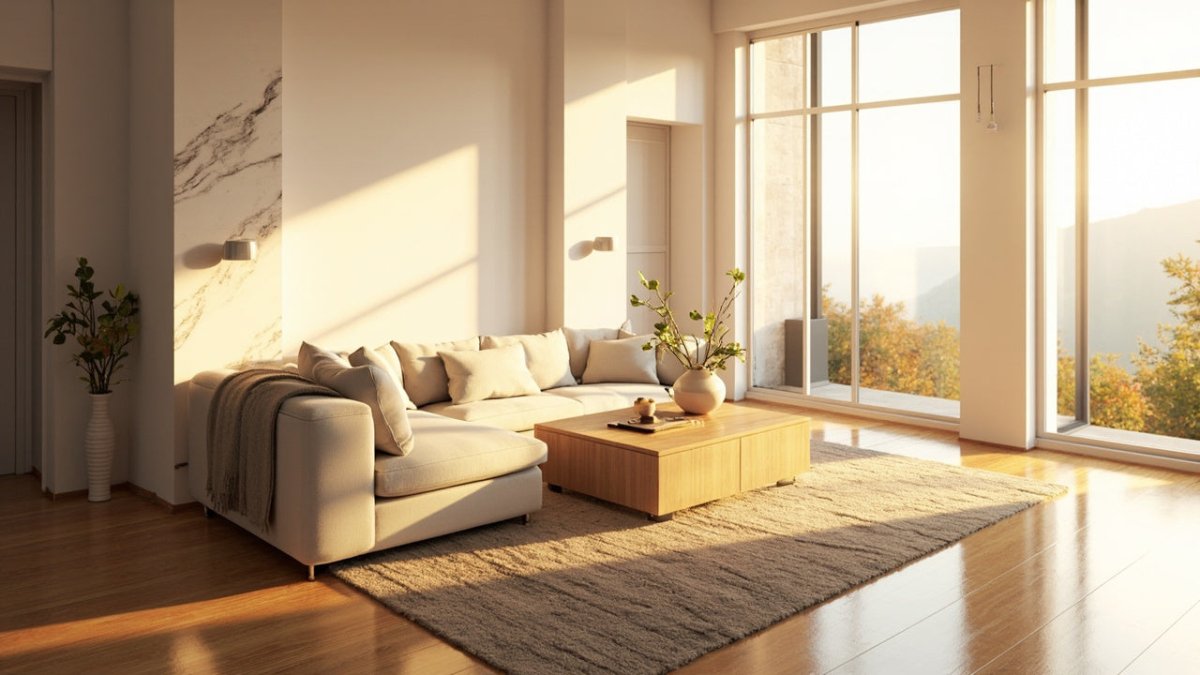
Here is how virtual staging works, in one breath: you send us photos of empty rooms, and our interior designers digitally add furniture and decor in professional software to make realistic, market-ready listing images. No physical furniture moves. No moving truck. A bare room goes in. A beautifully furnished version of that same room comes back out, usually within a day or two.
That is the short version. The longer one matters more, because the people behind the work matter more than the tools they use. At Bella Virtual, every image is hand-crafted by real interior designers, never AI-generated staging. So let's walk through what actually happens between the empty photo and the finished listing. Where virtual staging beats traditional home staging. And the one best practice that keeps you on the right side of buyers and the MLS.

What is virtual staging?
Virtual staging is the process of digitally adding furniture and decor to a photo of an empty room so buyers can picture themselves living there. No rented sofas. No vacant home to haul them into. A designer builds the scene inside professional software and produces a photorealistic image of the furnished space. The room you photograph is real. The furnishings are added on screen.
It helps to compare it with its older sibling. As Wikipedia puts it, "Home staging is the preparation of a private residence for sale in the real estate marketplace." Virtual staging chases the same goal, a space a buyer can imagine calling home. It just gets there through pixels instead of pickup trucks.
How does virtual staging work, step by step?
Virtual staging works as a short, designer-led production process: you submit photos, a real interior designer plans and builds the scene in software, and you receive finished images ready for the listing. Here is what each stage looks like on our end.
1. You send empty-room photos. Straight, well-lit shots of the vacant space, taken from the corners so the room reads clearly. Good source photos make for better staged photos, so a steady camera or a tripod goes a long way.
2. You pick a style and any must-haves. Modern, transitional, farmhouse, mid-century, whatever fits the target buyer for that home. Got a specific request? A reading nook, say. A king bed instead of a queen. A particular piece of furniture tucked in the corner. Just tell us. Real designers can work to a brief in a way a one-click app simply cannot.
3. A real interior designer stages the room. This is the heart of it. Our designer matches perspective, scale, shadows, and light to your actual photo, then places furniture and decor so the result looks photographed, not pasted. They sweat the small stuff: the way a rug sits under a coffee table, how light falls across a wall, whether the art suits the room. That craft is why our virtually staged images hold up to a buyer's second look.
4. You review and request changes. Want the couch swapped? The palette warmed up? Need to make a change to a virtually staged image after you see it live on the listing? You get revisions, so the final result matches what you had in your head.
5. You publish the finished images. High-resolution, listing-ready, and built to look right on the MLS, your site, and every property photo buyers scroll past online.
One thing bears repeating, because it is our line in the sand. This is human work. No AI-powered virtual staging shortcut. No generated room that falls apart when you zoom in. Real designers, every image.
What's the difference between virtual staging and traditional staging?
The core difference between virtual staging and traditional staging is physical versus digital: traditional home staging fills the actual house with real furniture, while virtual staging adds furniture and decor to the photos. Both aim to help buyers visualize the space. They just take very different roads to get there.
Traditional staging is tactile and slow. Someone rents the furniture, schedules the movers, arranges every room, and bills you month after month while the home sits on the market. It works, especially for in-person showings. But staging costs add up fast. Virtual staging skips the logistics entirely. No furniture to rent, no van to book, and a turnaround measured in hours rather than weeks.
The National Association of Realtors frames the trade-off well: "Physical staging still has its place, but when speed and budget matter, virtual staging becomes a powerful alternative." For a vacant listing that needs to go live this week? That is usually the deciding factor. (Our virtual staging page lays out exactly what is included.)
How long does virtual staging take?
Most virtual staging has a turnaround of 24 to 48 hours per batch of images, which is one of its biggest advantages over physical staging. You photograph the empty home, send the files, and have furnished listing photos back, often the next day. Compare that with traditional staging, where coordinating a stager, furniture rental, and movers can eat a week or more before the first photo is even taken.
That speed is real estate marketing gold. A home that goes live with polished, furnished images on day one makes a stronger first impression than one left empty while you wait on a staging company. Faster to market. Faster to interest. And less money tied up along the way.
Does virtual staging help sell houses?
Yes, virtual staging helps sell houses by giving empty rooms purpose and helping buyers picture their own life in the space. An empty room invites questions. Will my couch fit? Is this the dining room or the office? Furnished photos answer those questions before a buyer ever schedules a showing, and that clarity drives more clicks and more interest.
The why is simple. Staging works because, in the words of Wikipedia, "The goal of staging is to make a home appealing to the highest number of potential buyers, thereby selling a property more swiftly and for more money." Most home shopping now starts on a screen, so the photo is the showing that happens first. A bare room scrolls right past. A warm, well-staged one stops the scroll. That is why so many real estate agents lean on virtual staging to make a listing pop. Builders and developers use it too, often paired with 3D rendering for homes that are not built yet.
Is virtual staging misleading, and should you disclose it?
Virtual staging is not misleading as long as you disclose it, and disclosing staged photos is simply best practice. The point is to help buyers visualize the space, not to hide flaws or invent square footage. As long as the photo represents the real room honestly, with furniture added rather than walls moved, a clear label keeps everyone informed and protects you.
The National Association of Realtors is direct about it: "Therefore, make sure listing photos that have been virtually staged are clearly labeled as such." A short caption like "virtually staged" on each digitally furnished image does the job. A few jurisdictions now require disclosure of materially altered listing images, so a quick label is both the ethical move and the safe one. Stage the photo, tell the truth, and let buyers fall for the space.
Frequently asked questions
How do realtors do virtual staging?
Most realtors do not stage the photos themselves. They photograph the empty rooms, then hand the images to a professional virtual staging service, where an interior designer adds furniture and decor and returns finished listing photos. The agent reviews the result, requests any tweaks, and publishes the images to the MLS and listing sites.
How much does virtual staging cost?
Virtual staging is priced per image and costs a small fraction of traditional staging, since there is no furniture rental or moving fees involved. The exact rate depends on the room, the style, and how complex the scene is. Because vacant homes need furnished photos either way, virtual staging is usually the budget-friendly choice. Reach out through our contact page for a quote on your listing.
Can specific items like lighting and appliances be added in virtual staging?
Yes. Because a real interior designer builds each scene by hand, they can add specific elements like lighting, curtains, blinds, rugs, and kitchen appliances on request. If you want a particular piece of furniture or a certain look for the target buyer, you tell the designer up front and they build to that brief.
Does virtual staging use AI?
Not at Bella Virtual. Every image is hand-crafted by real interior designers in professional software, never AI-generated. That human craft is what makes our virtually staged photos look photographed rather than generated, and it lets designers honor specific requests that automated tools cannot.