September 23, 2026 · Bella Virtual Staging
Staging an Apartment: A Room-by-Room Plan for Studios, One-Bedrooms and Condos
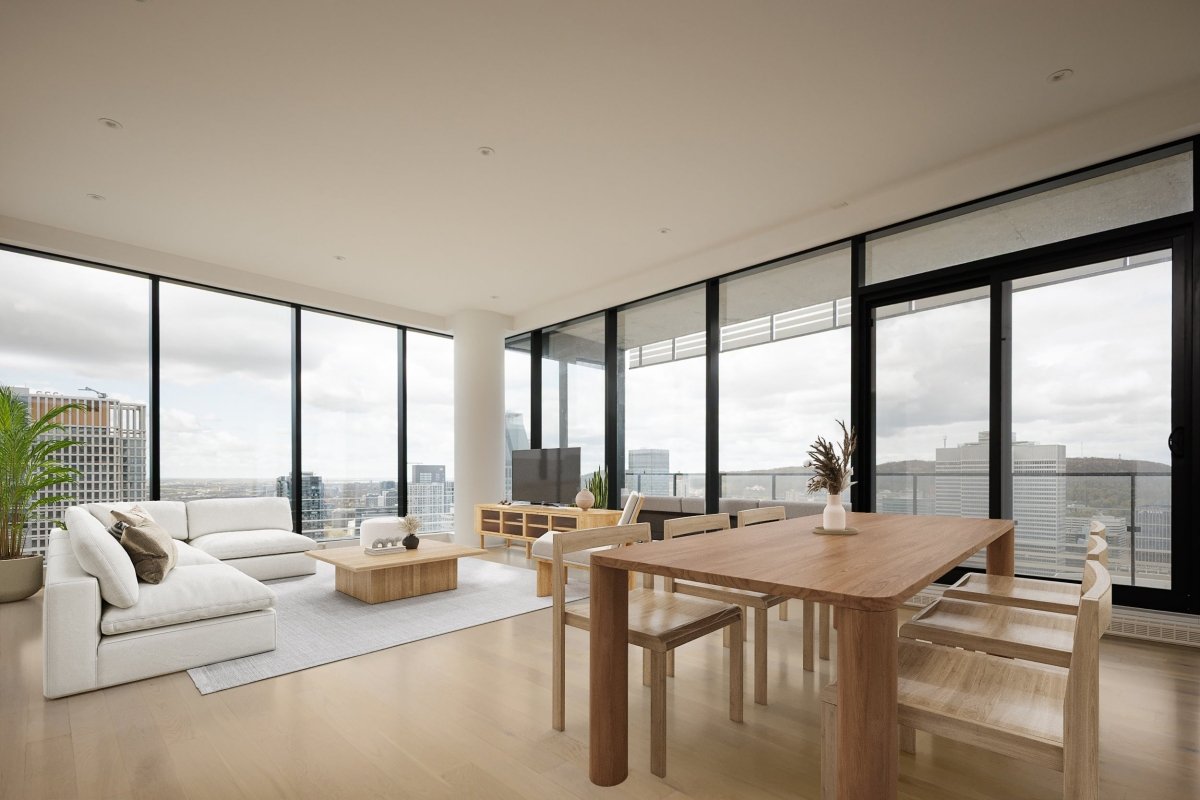
Staging an apartment means clearing, cleaning and furnishing it at the right scale so prospective buyers or renters can see how the space actually lives, with the listing photos as the top priority. In small units the job is proving function: where the bed goes, where the table fits, where a desk could work. You can do it with real furniture, or furnish the photos virtually when the unit is empty or occupied.
At Bella Virtual Staging, our human interior designers stage apartment photos digitally, never with AI, so every image is built to true room scale and is ready for the MLS.
This guide is organized by unit type and room. If you manage rentals, our rental staging guide for landlords and property managers covers leasing in depth, and our top 10 apartment staging tips offers a quick checklist.
What is a staged apartment?
A staged apartment is a unit that has been cleaned, depersonalized and furnished, physically or in the listing photos, so buyers or renters can picture living there. Staging is not decorating to the owner's taste; it is presenting the space so that the widest range of people can envision their own life in it.
Why stage an apartment at all?
Empty apartments are hard to judge. Without furniture, many buyers cannot tell where a queen bed fits, whether a couch leaves room to walk, or if there is space for a dining table. Staging shows scale and function in a way bare walls never can, and helps potential buyers see the unit's full potential.
According to the National Association of REALTORS®, 82% of buyers' agents say staging helps buyers visualize the property as a future home, and 97% of buyers use the internet in their search. Your online listings are the first impression, and in a small unit the photos have to prove the space works before anyone books a showing.
How do you stage an apartment step by step?
The process follows the same sequence whatever the unit size: clean, edit, repair, furnish, photograph.
- Declutter and de-personalize. Remove family photos, fridge magnets, shoe piles by the door, extra countertop appliances and other stuff that makes rooms feel crowded. Cut what is on open shelving by about half, and leave closets visibly uncrowded so storage looks adequate.
- Deep clean and make small repairs. Scrub grout, wash windows and balcony doors, wipe baseboards and dust light fixtures. Tighten loose cabinet hardware, patch nail holes, re-caulk tubs and replace yellowed switch plates.
- Neutralize paint and lighting. A fresh coat of soft neutral paint like warm white or light greige makes small rooms feel bigger. Use matching soft-white bulbs throughout and add a floor or table lamp wherever the ceiling fixture leaves shadows. Open curtains and clean every window so the rooms look bright.
- Furnish to scale. Choose pieces that prove each room works rather than pieces that fill every corner. A well-placed mirror can make a tight room feel larger.
- Style and photograph. Add a few coordinated pillows, one plant per room and simple fresh flowers on the table, then photograph with every light on.
Apartments add their own constraints: tight entries and small elevators make furniture deliveries awkward, and many buildings, especially co-op and condo buildings, set move-in rules and delivery windows. These are common reasons sellers, brokers and agents choose virtual staging instead.
How do you stage a studio apartment?
Define zones for sleeping, living and eating. That is the entire job in a studio; without clear zones, the space reads as one undifferentiated room.
- Anchor the living zone with a rug. A rug under a compact sofa and slim coffee table shows exactly where the living area starts and stops, and gives the room a focal point.
- Show a made bed with simple, crisp bedding, plus a nightstand and lamp, so the sleeping area feels like a new home, not a dorm.
- Add a small round table or counter stools. Two stools at a counter or a bistro table in a corner proves there is room to eat.
- Use open-backed shelving as a divider. It separates zones without blocking light or sightlines.
- Keep sightlines to the windows clear. Avoid tall furniture between the entry and the window wall so the photo shows depth and daylight. If the unit has high ceilings, keep furniture low so the height is obvious.
How do you stage a one-bedroom or two-bedroom apartment?
Separate rooms give you more flexibility, but scale still matters. An oversized sectional in a modest living room makes the apartment look smaller, not more comfortable.
Living room: an apartment-scale sofa, one accent chair and a slim coffee table. Keep the layout open, and use one large artwork instead of a gallery of small frames.
Primary bedroom: a queen bed with two nightstands where it fits; a double bed is fine in tight rooms. The goal is to show the room works as a bedroom with space to walk around the bed.
Second bedroom: stage it as a bedroom or a home office depending on the likely buyer. A desk and task chair may suit young professionals; a bed and bookshelf may suit a family with kids.
Open-plan dining: always show where a dining table goes, even without a dedicated dining room. A small round table between kitchen and living area, or stools at an island, proves the layout works day to day.
Work-from-home spot: a slim desk under a window or in a nook shows a real home office solution, something many buyers and renters now look for.
How do you stage an apartment kitchen and bathroom?
Kitchens and bathrooms are small in most apartments, so staging them is mostly about clearing and cleaning.
- Kitchen: clear the counters except for one or two items, such as a bowl of fruit or a cutting board. Hide dish racks, sponges and small appliances.
- Bathroom: put away toiletries, add fresh white towels, a new bath mat and a small plant, and make sure the grout, glass and fixtures are spotless.
What are the biggest apartment staging mistakes?
Most staging mistakes in apartments come from doing too much or too little. Avoid making these common ones:
- Skipping paint. Scuffed or strongly colored walls are the first thing buyers notice in photos, and a neutral coat is one of the cheapest fixes.
- Hanging curtains badly, or not at all. Short, low curtains make ceilings look lower; bare windows can make a room feel unfinished. Hang them high and wide.
- Ignoring light fixtures. A dated or dim fixture drags down the whole room. Swap it for a simple modern one if needed.
- Leaving personal items on display. Family photos, collections and clutter make it harder for a person touring the unit to picture themselves there.
- Crowding the space with furniture. Too many pieces make a small apartment look even smaller.
- Making it too austere. An almost empty room can feel cold. A rug, a plant and one piece of art add warmth.
- Letting the TV dominate the room. Hide cords and keep the media wall simple.
- Blocking sightlines to windows and views with tall furniture.
Should you stage an apartment for rent differently than one for sale?
Yes. Renting a unit calls for quick, repeatable, durable setups and strong photos that help tenants sign a lease faster; a manager with several identical floor plans can stage one apartment layout and reuse the approach across units. For-sale condos benefit from more tailored design that matches the building, neighborhood and real estate market. For landlord-specific planning, see our complete rental staging guide.
Should you hire professional stagers or stage an apartment yourself?
It depends on your budget, the unit's condition and how much time you have. Many sellers can declutter, clean and rearrange on their own. Professional stagers bring furniture, accessories and an eye for layout, which can help a vacant unit or a higher-end condo stand out and get more attention. If you hire a stager, get a written quote that covers delivery, installation, the rental term and removal. If the unit is empty and you would rather not pay for furniture rental, virtual staging is the lower-cost option.
How does virtual staging work for apartments?
Photograph the empty or decluttered unit, send the photos, and a designer furnishes them digitally at true scale. Buyers and renters see a furnished home online, and the real, empty rooms at showings.
Virtual staging is the best fit for:
- Vacant units where furniture delivery is impractical or expensive.
- Occupied units where a tenant's belongings need to be removed digitally first. See virtual staging for occupied homes.
- Buildings with repeated layouts, where a consistent style can be applied across several units.
At Bella, every image is virtually staged by human designers at $37 USD per photo. Furniture removal is included at no extra cost, delivery takes 24 to 48 hours, and revisions are unlimited for two weeks. Volume discounts apply automatically: 5% off at 3+ photos, 10% at 6+, 15% at 11+ and 20% at 21+. For units that need updated finishes such as new cabinets, flooring or countertops, virtual renovation is $69 per photo.
How much does it cost to stage an apartment?
Physical staging costs add up quickly. Typical estimates, which vary by market: a consultation typically runs about $150 to $600, and furniture rental about $500 to $600 per room, per month (Bankrate, citing HomeAdvisor). Many stagers also require a three-month minimum contract, even if the unit sells quickly (Realtor.com). Before you invest, weigh what you would spend against the unit's asking price and how long similar units take to sell or lease.
Virtual staging costs far less money. At Bella it is $37 per photo, and a one-bedroom often needs only a handful of key photos staged, such as the living room, bedroom and dining area. For a fuller breakdown, see how much home staging costs.
Do you need to disclose staged apartment photos?
Yes. Physical staging needs no special disclosure, but virtually staged photos should always be labeled.
The NAR Code of Ethics, Article 12, states that REALTORS® must "present a true picture in their advertising, marketing, and other representations." California's Assembly Bill 723, effective January 1, 2026, requires a disclosure next to digitally altered images in advertising for a property sale, plus a link to the unaltered original. MLS rules vary, so check your local MLS or managing broker before uploading.
Bella does not add windows, change views or resize rooms. Finish changes are handled only through our disclosed virtual renovation service and should be labeled as such.
Frequently asked questions
Is staging worth it for a small apartment?
Often, yes. Small spaces can benefit most because buyers struggle to imagine furniture scale in empty or cluttered rooms. Staging shows that a bed, a sofa and a table all fit, which helps the listing compete online. For example, a vacant studio can look like a bare box in photos until a bed, a sofa and a small table show how it lives.
Can you stage an apartment while a tenant still lives there?
You can, but it takes cooperation. The tenant needs to declutter and put away personal items for the photo shoot. If that is not practical, virtual staging can digitally remove and replace existing furniture in the photos while the tenant lives there normally, as long as the edits are disclosed.
Do you use AI to virtually stage apartments?
No. Every Bella image is created by human interior designers and 3D artists. AI staging apps can produce floating furniture, wrong scale or altered walls and windows that misrepresent a property. Our work respects the true layout of the apartment and includes unlimited revisions for two weeks plus a rework-or-refund guarantee. See our pricing.
What is the difference between staging and virtual renovation?
Staging adds furniture and decor, physically or virtually, to show how to live in the existing space. Virtual renovation digitally changes finishes like cabinets, flooring, paint and light fixtures to show what an upgrade could look like. Both must be disclosed. Our virtual renovation guide walks through the process.