February 3, 2026 · Bella Staging
Selling a Home in Springfield, MO: Marketing & Staging Tips
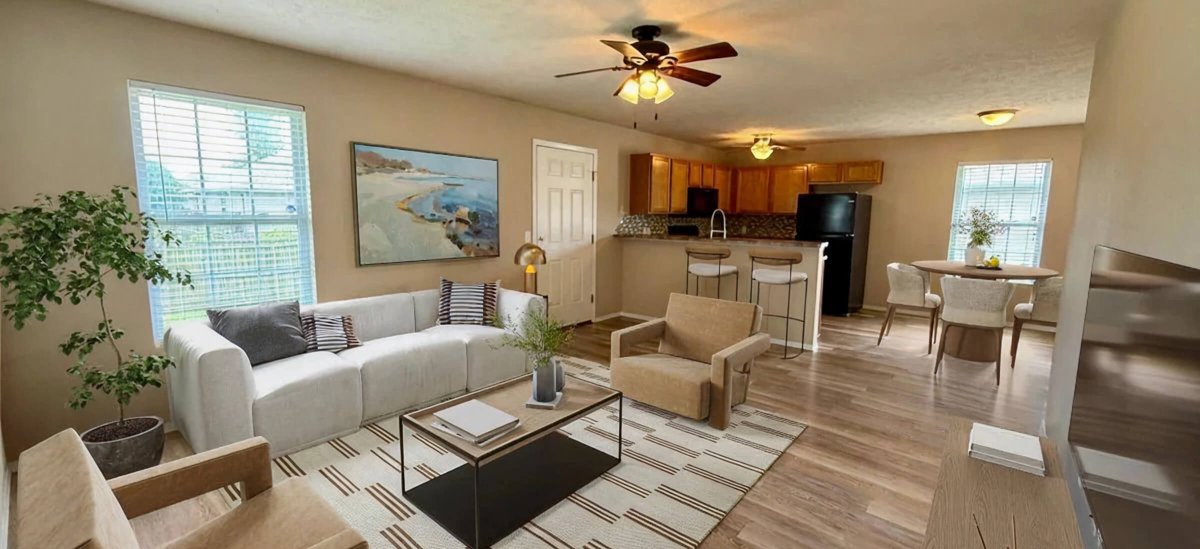
Selling a home in Springfield, Missouri requires more than listing a property on the MLS; it demands strategic preparation, market knowledge and thoughtful presentation. In a city where the median sale price hovers around $239,000 and homes typically spend about 36 days on the market, standing out is essential. This guide draws on Bella Virtual Staging’s experience working with hundreds of Springfield-area listings to help sellers, agents and builders navigate the process. We’ll look at how to prepare your home, leverage virtual staging responsibly, price and market your property effectively and avoid common pitfalls.

Understanding the Springfield Real Estate Landscape
Springfield’s real estate market is balanced but competitive. The Bent Tree subdivision, home to the recently sold property at 5610 W Sugar Pine Dr, illustrates what buyers value: move‑in‑ready homes with modern finishes and access to amenities. The Bent Tree property featured a split floor plan with three bedrooms and two baths, new flooring and fresh paint, plus a fenced yard and shared amenities including tennis courts, a basketball court, playground and pool. Such features attract young families and professionals seeking community and convenience.
Key local indicators to consider:
- Median sale price: About $239,000 for the 65802 ZIP code.
- Average days on market: Approximately 36 days.
- Price fluctuation: Listings may adjust pricing multiple times before selling; the Sugar Pine property was listed at $227,500 in September 2025 and sold in mid‑November, reflecting the need to align pricing with buyer expectations.
Understanding these metrics helps sellers set realistic goals and timelines. If your home’s features align with local demand—such as updated finishes and neighborhood amenities—it has a better chance of attracting attention quickly.

Preparing Your Springfield Home for Sale
Preparation is the foundation of a successful sale. Buyers in Springfield respond best to homes that look cared for and are easy to imagine living in. In our experience staging hundreds of listings in the area, the properties that move quickly share several preparation essentials:
- Declutter and depersonalize. Remove excess furniture, family photos and personal collections to create a neutral backdrop. A clean slate helps buyers picture their own belongings.
- Deep clean and repair. Address minor repairs—such as leaky faucets, damaged trim and missing lightbulbs—and invest in a professional deep clean. Fresh paint in neutral tones and updated flooring can refresh a space without a full remodel.
- Boost curb appeal. First impressions matter. Trim landscaping, power‑wash walkways and consider adding new mulch or seasonal flowers. A well‑maintained exterior invites buyers inside.
- Define each room’s purpose. Whether you have a formal dining room or a spare bedroom, show it as a functional space. Undefined rooms confuse buyers and leave value on the table.
One pattern we consistently see with listings that sit on the market is the absence of these basics. Homes that remain cluttered or show obvious wear feel less valuable to prospective buyers, regardless of location or size.

The Power of Virtual Staging
Virtual staging digitally enhances photos of vacant or sparsely furnished rooms to show their potential. When used correctly, it can bridge the gap between buyer imagination and reality—especially in Springfield’s market, where many buyers begin their search online.
Virtual staging offers several advantages:
- Cost‑effective transformation. Unlike traditional staging, virtual staging doesn’t require renting or moving physical furniture. High‑quality digital furnishings can illustrate different design styles or layout options without altering the property.
- Visual storytelling. Thoughtful virtual staging highlights the flow, scale and function of rooms, helping buyers see how a sofa fits in the living area or how a spare bedroom could become a home office.
- Market differentiation. Professionally staged photos stand out among empty or poorly photographed listings, increasing click‑through rates and engagement.
Bella Virtual Staging emphasizes MLS compliance and ethical practices. Article 12 of the NAR Code of Ethics requires REALTORS® to present a true picture in advertising and marketing, meaning staged images must be disclosed and cannot misrepresent a property’s condition. Local MLS rules often require checking a “virtually staged” box, adding disclosure text and using watermarks to avoid fines or listing removal. When we restage underperforming listings, the most common issue is unrealistic or unlabelled virtual staging that leaves buyers feeling misled.
Case Example: 5610 W Sugar Pine Dr
The Sugar Pine property illustrates the impact of professional staging and pricing alignment. Initially listed in July 2025, the home’s price was adjusted several times before settling at $227,500 in September. During this period, Bella’s designers applied a transitional style with warm neutrals and wood textures to complement the updated flooring and fresh paint. We emphasized the open living area, showcased the fenced backyard and highlighted the subdivision’s amenities.
After staging and pricing adjustments, the home went pending in mid‑October and closed on November 14 2025. While multiple factors contribute to a sale, the refreshed presentation aligned with buyer expectations and improved online engagement, demonstrating how virtual staging supports a broader marketing strategy.

Marketing Your Springfield Home
A well‑staged and prepared home still needs visibility. Effective marketing combines professional photography, targeted distribution and neighborhood storytelling.
High‑quality photography and video: Even with virtual staging, photos should be captured professionally—preferably with HDR techniques and proper lighting. 3D tours or walk‑through videos give buyers confidence before scheduling a visit.
MLS and real estate portals: List your home on the local MLS and major portals. Use all available photo slots to showcase each room and the exterior. Include a clear disclosure that images are virtually staged to comply with MLS rules.
Compelling listing description: Highlight upgrades, functional layouts and community features. In the case of Bent Tree, the description noted the split floor plan, new flooring, fresh paint and fenced backyard along with the subdivision’s tennis courts, basketball court, playground and pool. Buyers are motivated by lifestyle as much as square footage.
Digital and social media marketing: Leverage targeted social media ads to reach buyers relocating from nearby cities. Share before‑and‑after staging images, virtual tour links and neighborhood insights. Paid advertising on Facebook and Instagram allows you to geo‑target prospects within driving distance.
Local outreach: Work with your agent to host open houses and community events. Neighbors often know someone looking to move into the area. Provide printed flyers or QR codes linking to virtual tours.
Pricing and Timing Strategies
Strategic pricing is as important as presentation. Starting too high can result in price reductions and longer time on market, while starting too low may leave money on the table. Use recent comparables, including homes like the Sugar Pine property, and consider the local median price of $239,000 when setting your range. Monitor buyer feedback during the first two weeks; if traffic is high but offers are absent, a modest price adjustment may be necessary. The Sugar Pine listing ultimately sold after adjusting its price to align with buyer expectations.
Seasonality also plays a role. In Springfield, spring and early summer often see higher buyer activity, but serious buyers are present year‑round. Consult your agent about local trends to choose the optimal listing window.
Why This Matters for Sellers, Agents and Builders
Effective preparation, staging and marketing reduce the stress and uncertainty of selling. For sellers, a well‑presented home attracts more qualified buyers, leading to stronger offers and potentially shorter closing times. For agents, it enhances reputation and client satisfaction. Builders and investors benefit by showcasing new or renovated homes in their best light, maximizing return on investment. In a competitive market like Springfield, these strategies are not optional; they are the baseline for success.
Common Mistakes to Avoid
Even experienced sellers and agents can stumble. Avoid these pitfalls:
- Skipping disclosure. Failing to label virtually staged photos violates the NAR Code of Ethics and MLS rules. Always watermark images and include disclosure in the listing description.
- Overpersonalized staging. Overly specific décor or extreme color schemes limit buyer appeal. Stick to neutral, adaptable styles.
- Neglecting maintenance. Staging cannot hide structural issues. Address leaks, HVAC problems and safety concerns before listing.
- Unrealistic pricing. Starting far above market value can deter buyers. Base your price on recent sales and current demand.
- Poor photos. Blurry or poorly lit photos undermine staging efforts. Invest in professional photography.
- Expert Insight From the Field
In our experience staging hundreds of listings across Springfield and beyond, we’ve observed recurring patterns:
- Buyers need a clear vision. One pattern we consistently see with listings that sit on the market is a lack of defined spaces. When rooms have ambiguous purposes or are used for storage, buyers struggle to imagine living there.
- Over‑renovation rarely pays off. When we restage underperforming listings, the most common issue is money spent on flashy upgrades instead of addressing layout or flow. Simple improvements—paint, flooring and staging—often provide a better return than a high‑end kitchen remodel.
- Transparency builds trust. Honest marketing, accurate photos and clear disclosure of virtual staging foster buyer confidence. Misrepresentations erode trust and can lead to deals falling through.
Conclusion on Selling your Home in Springfield, MO
To sell a home in Springfield, MO, prepare the property by decluttering, repairing and boosting curb appeal; use MLS‑compliant virtual staging to define spaces; set a realistic price based on local comparables; and promote the listing with professional photography, clear descriptions and targeted marketing.
Ready to position your Springfield home for success? Bella Virtual Staging combines data‑driven design, MLS‑compliant practices and local market expertise to help your property shine. Explore our virtual staging services and let’s make your next listing stand out.
Trending: 10 Best Affordable Virtual Design Services for Budget-Friendly Homes