November 2, 2026 · Bella Virtual
Does Virtual Staging Help Sell Homes Faster?
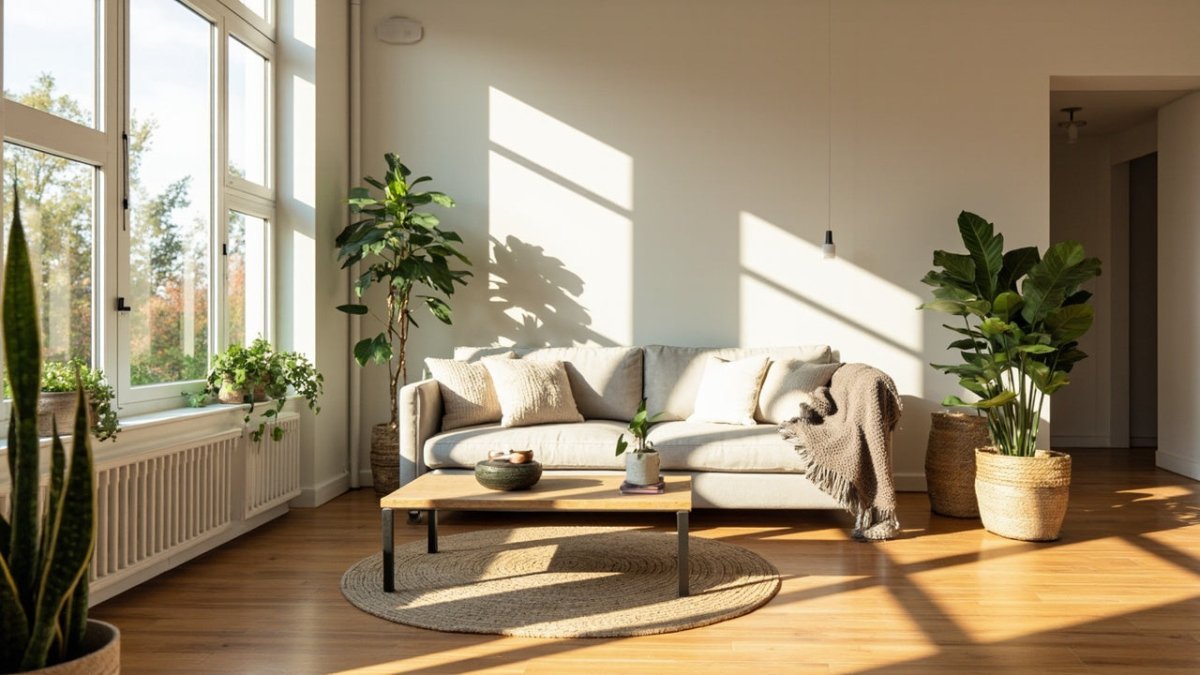
Yes. Staging a home generally helps it sell for more money, and virtual staging hands you much of that same benefit at a fraction of the cost. The National Association of Realtors found that "83% of buyers' agents said staging a home made it easier for a buyer to visualize the property as a future home." The digital version does that job too. It takes an empty room, adds furniture and styling, and hands buyers a lived-in picture before they ever walk through the door. So if you are weighing whether it is worth the spend, the short answer is usually yes.
What is virtual staging, and how does it work?
Virtual staging is the practice of digitally furnishing a photo of an empty or outdated room so it reads as styled and move-in ready. Here is how it goes. A designer starts with high-quality listing photos, then layers in furniture, rugs, art, and lighting on each shot. At Bella Virtual, every image is hand-crafted by real interior designers, never AI-generated staging, so the proportions, shadows, and finishes hold up under a buyer's eye. The result feels like an actual home. Not a clip-art collage.
Think of it as the digital cousin of the traditional kind. A physical stager hauls in real couches; a virtual stager builds that same scene in software. Same warmth, minus the truckload of rented sofas.
Does virtual staging actually help sell homes faster?
Staged homes tend to sell faster and closer to asking, and the research backs the idea that styling moves listings. Per NAR, "almost half (49%) of home sellers' agents observed that home staging reduced the time homes spent on the market." Why does that matter so much for an empty house? Because a bare room reads as smaller, colder, and harder to picture living in. Now add a styled bed, a reading chair, a set table. Suddenly people can see themselves there.
And most of that speed gain happens online, before anyone shows up. Shoppers start on a screen, scrolling through photos to decide what is even worth touring. A bare floor gets a glance and a swipe. A warm, furnished room? That earns the click, and then the showing. That early attention is exactly where the digital approach pays for itself.
Is virtual staging better than real staging?
It depends on the property, but for vacant or outdated homes, virtual home staging is significantly cheaper and faster than the physical kind. Traditional home staging means renting furniture, paying movers, and keeping the place dressed for weeks on end. The digital route skips all of it. No break-in risk on borrowed decor, no monthly rental bill, no scheduling around delivery crews.
Cost is the headline difference. Professional staging can run into the thousands; the digital approach is priced per image, so it is easy to budget against. Agents and sellers can style every room for less than what one living room costs in real life.
That said, real staging still has its moment. When buyers tour an empty house, they want to sit on a couch, and a photo cannot give them that. So the smart play is often both. Stage the photos to drive traffic, then decide whether the in-person space needs help. On bigger jobs, pairing it with virtual renovation shows outdated rooms as updated ones too.
Do buyers like virtual staging, and can they tell?
Buyers respond well when the work is done well, and high-quality images are genuinely hard to spot as digital. The trouble starts with cheap, AI-generated staging. Floating furniture, warped windows, rooms that fall apart on a second look. The moment a buyer catches the trick, trust drops. That is why craftsmanship matters far more than whatever technology sits behind it.
Can buyers tell when a home is virtually staged? Sometimes, yes, especially when a glossy staged shot gets paired with a bare in-person reality. The fix is simple, and it is honesty up front, which leads right into the next question.
Do you need to disclose virtual staging in your listing?
Yes, you should disclose virtually staged photos, and in plenty of places you are expected to. Disclosure is widely treated as best practice, and some markets now require it outright. California's AB 723, for instance, addresses the disclosure of materially altered listing images. The honest move is easy enough: label staged images clearly, and include at least one unedited photo of each room so buyers know exactly what they are walking into.
Disclosure is not a weakness in your marketing. Far from it. It protects you, keeps the listing compliant, and sets the right expectation so showings go smoothly. Buyers will forgive virtually staged photos. What they will not forgive is feeling fooled.
Who benefits most from virtual staging?
Empty houses, new construction, and tired interiors benefit most. The vacant home is the classic case, since bare rooms are the hardest for buyers to read. New builds use it to show a finished feel before a single sofa exists. Investors and condo sellers lean on it because the cost per listing stays so low.
Agents, meanwhile, treat it as a marketing tool that scales. One photographer, a few hours of design work, and a whole portfolio looks polished. Selling an outdated property and want it to compete online? This is one of the easiest upgrades you can make.
FAQ
How much does virtual staging cost?
It is usually priced per image, which keeps it far below the cost of physical staging. There is no furniture rental, delivery, or monthly fee, so you pay once per room rather than every month the home sits unsold. Pricing varies by provider and the size of the home, so request a quote.
Does staging your house really help it sell for more money?
It can. NAR reports that nearly three out of 10 agents saw a 1% to 10% increase in the dollar value offered when a seller's home was staged. Staging helps buyers visualize the space and connect with it, and that emotional pull often supports a stronger offer. The digital version aims to create that same first impression at a lower cost.
Can buyers tell when a home is virtually staged?
With low-quality work, yes, because the furniture often looks off or floats awkwardly. With high-quality images from real designers, it is much harder to spot. Either way, you should disclose that the photos are virtually staged so no one is surprised at a showing.
Is virtual staging worth it for an empty house?
For most vacant homes, yes. An empty house is the toughest thing to sell online because shoppers cannot picture living there. The digital approach gives those photos warmth and scale, helps a listing sell faster, and costs a fraction of doing it for real. You can see examples on our virtual staging page.