October 2, 2026 · Bella Virtual Staging
3D Product Renderings for Furniture: Process, Quality Checks and How to Choose a Studio
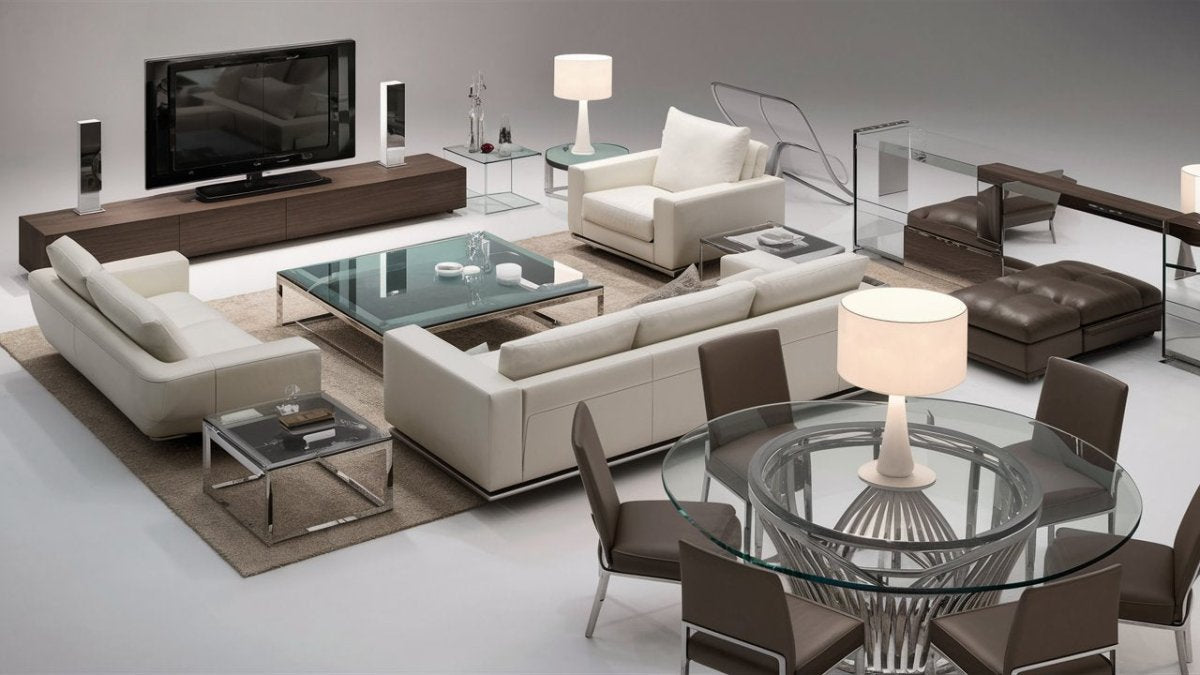
3D product renderings are images made from a 3D model of a product instead of a camera. For furniture, one accurate model produces catalog stills, lifestyle scenes, colour and fabric variants and 360° spins without photographing every version, which is why retailers, manufacturers and home builders use them. This guide explains how furniture renderings work, how to plan a project, what to check for quality and what to look for in a studio.
At Bella Virtual Staging, our 3D artists build furniture models from scratch, never with AI. We quote projects individually, so contact us about 3D modeling services for your catalog.
Why use 3D product renderings instead of photography?
Because one model gives you every angle, finish and scene you need, and you control every visual variable.
A sofa that comes in several sizes, fabrics and leg finishes multiplies into dozens of variants. Photographing each one means a studio setup or heavy retouching per variant. With a 3D model, swapping a fabric or leg finish changes only the surface material, and the geometry stays the same. You can also market a product before the first physical unit is made.
For home builders the value compounds. Buyers of a home that is not built yet need to see furnished living rooms, kitchens and bedrooms. The same furniture models used in an architectural rendering can later appear on product pages if the builder partners with a furniture brand on a design package.

How do you plan a 3D product rendering project?
Define the goal, pick a realistic starting set, and brief the studio with accurate references.
- Clarify the goal. White-background catalog stills, lifestyle scenes, 360° spins, or all three, and where each will appear (product pages, print catalog, trade show, builder sales materials).
- Prioritise SKUs. Start with your top sellers or one new collection before converting a whole catalog.
- Gather references. CAD files or dimensioned drawings, fabric and finish swatches, photos from several angles and brand guidelines. More detail means faster modelling and fewer revisions.
- Document variants. List every size, fabric, finish and hardware option, plus any rules such as "oak legs standard on all dining chairs". This avoids rendering combinations you do not sell.
- Set the visual direction. Two or three lines on lighting and mood, with a few example images.
What does the process look like?
Most of the work happens once per product, and later angles and variants build on the approved model.
- Intake. The studio reviews your product list, references and goals and resolves questions about scale and finishes.
- Base 3D modelling. Artists build the geometry from your dimensions. Untextured "clay" previews are shared so you approve proportions before surface work.
- Materials and textures. Fabric weave, leather grain, wood species, metal finish and glass are matched to your swatches.
- Lighting and camera. The same product can sit on white for marketplace listings, in a lifestyle room for a lookbook, or inside a model home for builder marketing.
- Rendering and post-production. Stills are produced at the size and format each channel needs, with consistent colour and shadows across the set.
- Review and revisions. Expect a round or two of feedback on proportions, fabric and colour before bulk production.

What should you check for quality?
Three things: does it look real, does it match the physical product, and is it consistent across every SKU?
- Scale and proportions. Compare the render to real dimensions, such as seat height against table height.
- Materials. Fabrics should show believable weave and sheen at full size, woods should show correct grain direction, metals should reflect their surroundings.
- Colour accuracy. Compare key fabrics against physical samples under neutral light.
- Detail. Zoom in on seams, edge profiles, stitching and hardware. Generic smoothness where there should be piping tells the buyer nothing about construction.
- Brand consistency. Props and mood should match your visual identity across all scenes.
Two failures to watch for are lighting that breaks real-world physics, such as reflections with no source, and repeating textures that show visible seams up close.

How does one 3D model support every marketing channel?
One approved model feeds product pages, print catalogs, social ads, builder sales tools and in-store screens.
- Standard stills. Front, angled, side and room-scale shots on white for e-commerce.
- Lifestyle scenes. Rendered living rooms, bedrooms and outdoor spaces for banners, ads and lookbooks.
- Variant imagery. A product with 15 finishes yields 15 images from the same geometry.
- Interactive content. 360° spins and colour configurators.
- Builder applications. Furnishings placed into 3D renderings of unbuilt homes and amenity spaces.
What should you look for in a provider?
Look for furniture-specific realism, clear communication and the capacity to handle a catalog season after season.
- Furniture portfolio. Sofas, beds, casegoods and dining sets at a quality level like yours. Ask for close-ups, not only wide lifestyle shots.
- Process. Who your contact is, how feedback is handled and what turnaround to expect for new SKUs.
- Accuracy. How the studio works from CAD files, drawings and swatches, and when it checks measurements.
- Consistency at scale. Naming conventions, lighting templates and a way to add new SKUs to an existing library without changing the look.
- Rights and confidentiality. Ask in writing about usage rights, model ownership and NDAs before you sign.
Bella models furniture from scratch with its own artists. Send your product list and a few reference photos through our 3D modeling services page for a quote.
Frequently asked questions
Can 3D product renderings replace furniture photography?
For most catalog and e-commerce images, yes, and especially for pieces with many fabric and finish combinations. Some brands still photograph a few hero shots of the physical product and use 3D for variants, angles and lifestyle scenes.
What do I need to start a 3D furniture rendering project?
CAD files or dimensioned drawings, reference photos from several angles, finish and fabric swatches and your brand guidelines. If you have no CAD files, accurate measurements and clear photos are often enough for an experienced studio.
Do you use AI to create 3D product renderings?
No. Bella's models and images are built by human artists. Image generators can change scale, materials and geometry between views, which is a problem when customers judge size and quality from the picture.
What is the difference between product renderings and architectural renderings?
Product renderings focus on single furniture pieces or sets. Architectural renderings show whole interiors or exteriors. The same furniture models can be used in both.
How do I get a quote?
Bella quotes furniture and product projects individually, based on model complexity, SKU count, material variations and the outputs you need. Contact us with your product list and examples.