November 17, 2025 · Kien Nguyen
10 Best Tips for House Staging to Sell Faster in 2026
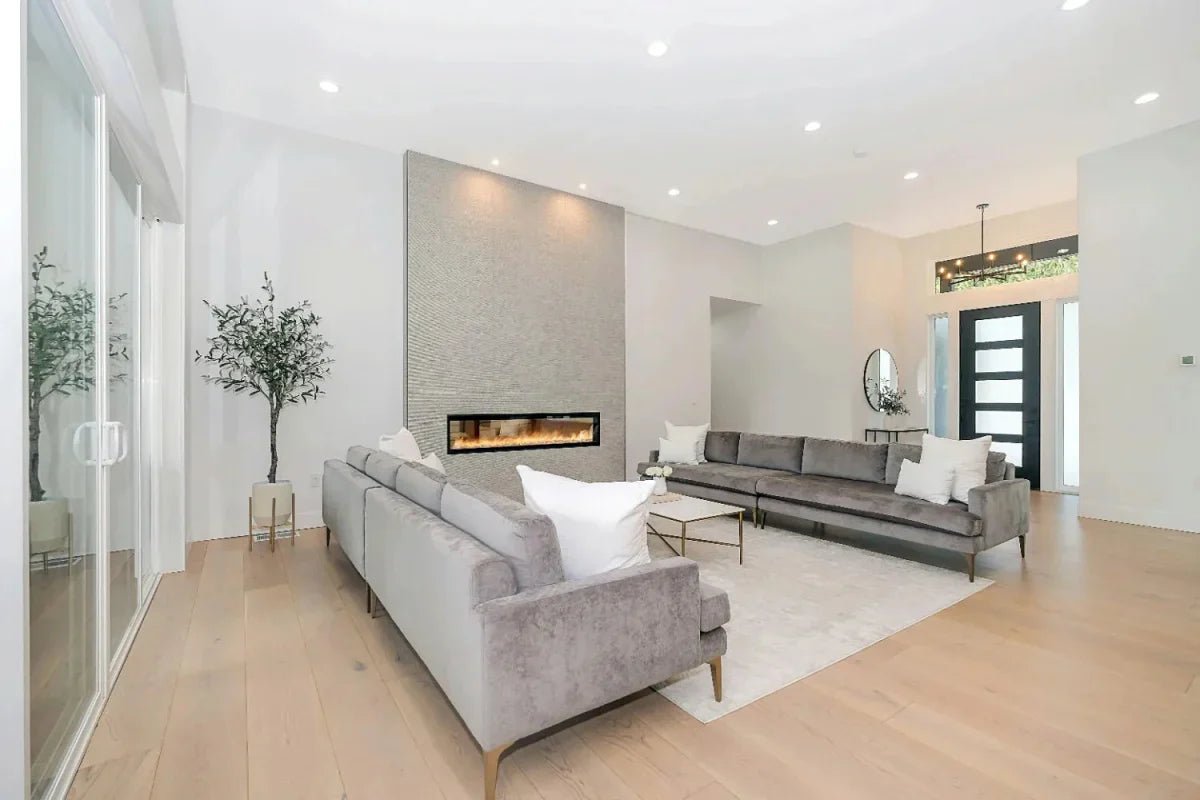
Selling a home takes more than a sign on the lawn. Presentation shapes perception, and that’s where the right tips for house staging come in. The way a property looks, feels, and photographs can turn casual browsers into serious buyers. This Bella Staging’s guide will walk you through how simple updates and smart styling can help your listings stand out and sell faster in 2026.
Highlights
- Staging increases buyer interest and reduces days on market. A well-staged home tells a story that connects emotionally with buyers, making them stay longer and think higher.
- Neutral palettes and functional layouts lead 2026 trends. Clean lines, open spaces, and soft color tones help buyers see themselves living there.
- Virtual staging adds flexibility and saves costs. For empty or outdated homes, digital staging brings rooms to life instantly, no furniture moving, no heavy lifting.
What Is House Staging and Why It Works
House staging is the art of preparing a property so buyers can imagine their life in it. It’s more than tidying up or adding décor; it’s about creating a mood that sells. Recent industry research shows that 83% of buyer agents believe staging helps people picture a property as their future home. When done well, staging highlights a home’s strengths and helps buyers visualize its full potential.
If you’re looking for tips for house staging, start by focusing on balance, lighting, and flow. Every detail, from furniture placement to wall color, should make the home feel calm, open, and move-in ready.
The key difference between staging and decorating lies in purpose. Decorating reflects personal taste. Staging removes that personalization and replaces it with design choices that appeal to a wider audience. That change goes beyond looks, with 29% of agents reporting that staged homes often received offers about 1% to 10% higher than similar unstaged ones. It’s less about self-expression and more about buyer attraction.
Today’s buyers scroll through dozens of listings before stepping foot inside a house. They expect bright, clean, and balanced spaces that feel ready to move into. A thoughtfully staged home meets that expectation and keeps attention longer, online and in person.
Preparing the Foundation Before Staging
Before styling or accessorizing, the home needs a clean slate. No amount of décor can hide clutter or grime. The foundation of every strong staging plan starts with clearing, cleaning, and creating visual calm. These steps may sound simple, but they directly shape first impressions, and in real estate, first impressions decide how long a listing stays on the market.
Start by decluttering and depersonalizing every room. Pack away family photos, collectibles, or anything that feels too personal. Fewer items help buyers focus on the space itself, not the life already lived there. Removing excess furniture also opens up flow, making rooms appear larger and more functional. A sofa too big for the space or a crowded dining setup can quietly signal limited square footage, even when that’s not true. That’s why most agents tell sellers to take these steps, with 91% recommending decluttering and 88% advising a full home cleaning before listing.
Next, tackle deep cleaning and small repairs. Every surface should shine, from baseboards and grout to windows and door frames. Tighten loose handles, fix leaky faucets, and refresh worn paint. These minor details send a major message: this home has been cared for. Even subtle upkeep can raise buyer confidence and justify a stronger offer.
Finally, neutralize the palette. Fresh coats of warm white, greige, or soft taupe instantly modernize a home. These tones photograph beautifully and allow buyers to imagine their furniture in the space. A dated wall color or bold accent can distract the eye; a neutral background creates harmony. This visual consistency is what separates ‘just listed’ homes from ‘just sold’ ones.
See more: 10 Real Estate Virtual Tour Software Tools Realtors Trust
10 Best Tips for House Staging to Sell Faster in 2026
We’ve gathered the most practical and proven advice to help your listings shine. Here, we share our top 10 best tips for house staging that realtors and homeowners use to sell faster and leave lasting impressions in 2026.
Tip 1 – Declutter and Depersonalize
A clean, open layout sells faster than a crowded one. Buyers need to picture their lives there, not yours. Start by removing personal items like framed photos, fridge magnets, or quirky collectibles. These might feel meaningful, but they distract from the home’s structure and flow.

Next, simplify furniture arrangements. Too many pieces can shrink a room visually. Keep only what highlights function, a sofa and side table instead of an entire set, or a single armchair to define a reading nook. The goal is space that breathes. A pared-down room helps buyers see both square footage and purpose. In short, less clutter creates more imagination.
Tip 2 – Deep Clean and Repair
Clean homes signal care. When buyers see spotless bathrooms, shining windows, and polished fixtures, they sense value before hearing the price. Dirt, odors, or dust instantly lower appeal, no matter how pretty the décor.

Invest time in scrubbing grout, buffing stainless steel, and wiping down every visible surface. Small details, like clean vents or a streak-free mirror, make rooms feel newer. Don’t skip the repairs. A squeaky door or chipped paint tells buyers there might be hidden issues. Tighten, patch, and polish everything. The home should feel ‘move-in ready,’ even if the buyer plans changes later. These subtle improvements often shorten the negotiation stage and speed up closing.
Tip 3 – Maximize Natural and Artificial Light
Light sells homes. Bright rooms feel larger, cleaner, and more inviting, while dark corners can make even spacious areas look tired. Start by pulling back heavy curtains and replacing them with sheer fabrics that let natural light filter through. Natural light flatters wall colors, highlights finishes, and brings out texture in furniture and flooring.

Add mirrors strategically across from windows or lamps to reflect light and create the illusion of depth. They double brightness without adding extra fixtures. Then, update old lighting. Swap dated chandeliers or yellow bulbs for modern LED fixtures in soft white tones. Balanced lighting sets the right mood during showings, especially in evening appointments. A well-lit home photographs beautifully and draws instant attention online.
Tip 4 – Focus on Key Rooms Buyers Care About
Not every room needs a full redesign. Focus your time and budget on the spaces that close deals, the living room, kitchen, master bedroom, and bathrooms. These areas carry emotional weight; they’re where buyers imagine relaxing, cooking, or unwinding after a long day.

In the living room, arrange seating to encourage conversation and flow. Add a soft rug to anchor the layout and make it feel cozy. Keep the kitchen spotless and decluttered, clear counters, display just one or two neutral items like a plant or fruit bowl. The master bedroom should feel like a retreat, layered with soft bedding and minimal décor. Bathrooms, too, should sparkle. Replace old towels, add a plant or candle, and keep all surfaces spotless. When these high-impact rooms shine, buyers forgive minor flaws elsewhere and picture the home as theirs.
Tip 5 – Add Biophilic Design and Natural Textures
Buyers connect emotionally with spaces that feel calm and alive. Adding biophilic touches, design elements inspired by nature, can subtly influence that feeling. Real plants bring warmth and freshness that artificial greenery can’t replicate. A small fiddle-leaf fig in the corner or a vase of eucalyptus on the dining table signals a well-cared-for home.

Incorporate organic materials to balance texture and tone. Use wood furniture, woven baskets, rattan chairs, or linen throws to soften the space. A few stone or ceramic accents on shelves add quiet character without overwhelming the look. These natural finishes ground the home in authenticity, appealing to buyers who value comfort and simplicity. The result is a space that feels more like a lifestyle and less like a showroom.
Tip 6 – Use Soft Colors With Gentle Accents
Color influences emotion more than most sellers realize. Homes painted in soft, neutral tones sell faster because they appeal to a wider range of tastes. A neutral base, warm white, beige, or soft greige, creates calm and cohesion throughout the house. It also allows furniture, artwork, and lighting to stand out naturally.

Add personality through small, gentle accents. Throw pillows in sage or dusty blue, an abstract print with terracotta tones, or textured cushions in muted hues can liven up a room without dominating it. These subtle details create interest while keeping the palette cohesive. The key is restraint, enough color to add warmth, but not so much that it distracts from the home itself. Buyers should feel welcome, not overwhelmed.
Tip 7 – Stage Functional Workspaces
Remote and hybrid work are here to stay, which means buyers now expect homes to support productivity as easily as comfort. Even small spaces can serve as effective work zones when staged thoughtfully. A minimalist home office corner, just a sleek desk, comfortable chair, and task light, can make a strong impression. It doesn’t need to be large; it just needs to look intentional.

Highlight multipurpose nooks that show flexibility. A quiet alcove can double as a reading corner or workspace. A spare bedroom can stage as both a guest room and office with subtle cues, like a foldable desk or wall-mounted shelves. Buyers value homes that adapt to their routines, and functional staging demonstrates that potential instantly.
Tip 8 – Highlight Smart Home Features
Technology adds convenience, and modern buyers notice it right away. Staging that incorporates smart devices signals that the home is current and well-equipped. Display a smart thermostat or stylish control panel on the wall. Add a digital tablet showing home features or local amenities during open houses. These small cues suggest a connected, energy-conscious lifestyle.

Smart lighting also helps create mood. Schedule lights to turn on before showings or use voice-controlled bulbs to adjust brightness instantly. Even if buyers don’t yet use these tools, seeing them in action sparks curiosity. It tells them the home is move-in ready and designed for modern living, a subtle but powerful selling point in 2026’s tech-driven market.
Tip 9 – Improve Curb Appeal and Entryway
Buyers start forming opinions the second they arrive. A neat, inviting exterior sets expectations for what’s inside. Fresh landscaping, trimmed hedges, and a tidy walkway instantly raise the home’s perceived value. Even small touches like new mulch or seasonal flowers can make the property feel cared for and welcoming.

Pay attention to the entryway, it’s the ‘handshake’ of the home. Repaint the front door in a modern, neutral shade, replace worn hardware, and add a clean welcome mat. A pair of potted plants or a simple bench can turn a plain porch into a warm first impression. A well-styled entrance tells buyers they’re walking into something special before they even step inside.
Tip 10 – Do a Final Pre-Showing Prep
The last step in tips for house staging is the easiest to overlook yet often the most powerful. Before every showing, walk through the home as if you were the buyer. Open curtains, turn on all lights, and let natural air flow in. Brightness and fresh air instantly energize the space and make it feel lived in, without personal traces.

Add small, thoughtful details. A vase of fresh flowers on the dining table or a bowl of fruit on the counter adds life and color. Use a subtle, neutral scent like linen or citrus to create a clean atmosphere. These final touches complete the emotional experience, turning a ‘property viewing’ into a home moment buyers remember long after they leave.
Watch more: Top 10 High-Impact Staging Ideas Every Realtor Recommends
Bella Staging: Virtual Solutions for Faster Sales
When a home sits empty or feels outdated, imagination often fails buyers. That’s where Bella Staging changes the game. As one of North America’s most trusted virtual staging companies, Bella helps realtors and developers transform plain spaces into stunning, market-ready visuals that sell faster and attract stronger offers.
- Virtual Staging Excellence: Bella’s team of real interior designers (never AI) digitally styles empty rooms with furniture from real, shoppable brands. Each image is designed to highlight flow, comfort, and functionality while keeping the look natural and inviting.
- Virtual Furniture Removal and Virtual Renovation: Outdated or cluttered photos don’t stand a chance online. We can digitally remove old furniture, repaint walls, and restyle spaces with modern finishes, all without physical staging. Virtual renovations let buyers see what’s possible before any real-world updates begin.
- 3D Tours and Photo-Realistic Renderings: Bella’s 360° virtual staging brings listings to life. Out virtual house tours is compatible with popular platforms like Matterport, Kuula, and iGuide, helping buyers explore every angle of the home online as if they were walking through it.
- Proven Success Stories: Bella’s work has helped listings in Vancouver, Santa Monica, and Boston sell above asking in record time. Homes that once lingered for months sold within days after virtual staging showcased their potential.
- Why Professionals Trust Bella: Realtors love Bella’s quick 24–48 hour turnaround, unlimited revisions for two weeks, and MLS-compliant images that meet every real estate standard. Every project reflects designer expertise and a deep understanding of what captures buyer attention.
- Bella’s virtual solutions save time, money, and stress while delivering the kind of visual polish today’s buyers expect. Whether you’re staging a single condo or a full development, our work turns simple photos into stories that sell. Contact Bella Staging to elevate your next listing.
FAQs: Tips for House Staging
1. Is staging really necessary in a strong market?
Yes. Even when homes sell quickly, staging helps your listing stand out and attract better offers. Buyers still judge homes on appearance, and a staged property communicates care and readiness.
2. How much should I budget for staging?
Traditional staging can cost several thousand dollars depending on home size and furniture needs. Virtual staging, on the other hand, costs only a fraction of that while delivering the same visual appeal. It’s one of the smartest tips for house staging when working with a limited budget.
3. Which rooms matter most to buyers?
Focus on high-impact areas first, the living room, kitchen, main bedroom, and bathrooms. These are emotional decision points that shape whether buyers see the home as move-in ready.
4. Can I stage while living in the house?
Absolutely. It just takes discipline. Keep surfaces clear, store personal items, and maintain the staged setup daily. Buyers can overlook small flaws when the home feels organized and welcoming.
5. Does virtual staging work as well as physical staging?
Yes, and often better for online visibility. Most buyers begin their search through photos. High-quality virtual staging shows the property’s full potential, helping it stand out instantly among competing listings.
Conclusion
A well-staged home doesn’t just look better, it sells faster and often for more. Each of these tips for house staging builds toward the same goal: helping buyers see not just a property, but a lifestyle. Whether you’re refreshing a family home or marketing a new build, presentation is your strongest advantage.
When you’re ready to elevate your listings, let Bella Staging turn your photos into buyer-ready visuals that speak louder than words. Contact us to get started today.