September 7, 2026 · Bella Virtual
What Is Twilight Photography in Real Estate?
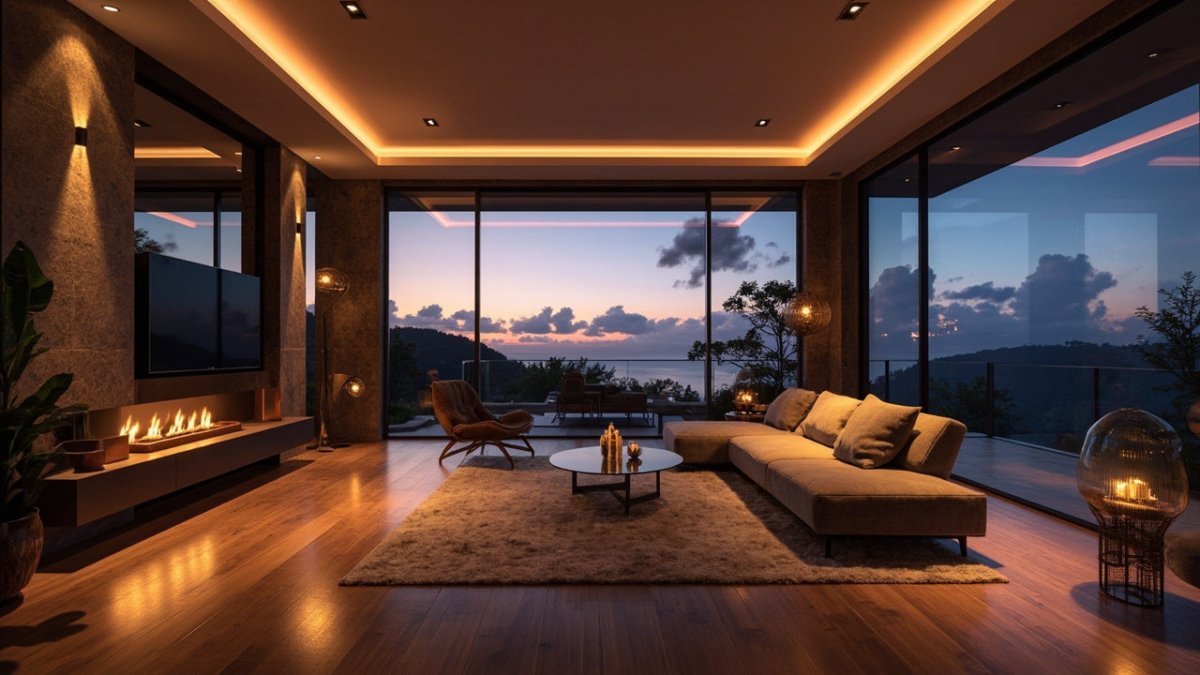
Twilight photography in real estate captures a property at dusk, when the sky glows and the home's lights are on, for a dramatic, inviting look. There are two ways to get there. You can shoot on location during the short window of real twilight, or you can build the effect afterward through day-to-dusk editing. The goal doesn't change. Take an ordinary daytime listing and turn it into a twilight photo that makes buyers stop scrolling.
We craft these images for agents every day. Here's how it works.
What is twilight real estate photography?
Twilight real estate photography is the practice of showing a property at dusk, with a colorful sky, a warm glow from inside the windows, and the landscape lighting switched on. Why does it work so well? Because it adds mood that a flat midday photo cannot, which makes it one of the most eye-catching styles in the business. The exterior of a property looks elegant. The home feels welcoming.
The light itself does the heavy lifting. As Wikipedia describes the blue hour, The blue hour (from French l'heure bleue) is the period of twilight (in the dawn or dusk, around the nautical stage) when the Sun is at a significant depth below the horizon.
That deep, even light is exactly why twilight photos add real emotional appeal to a listing.
Real twilight shots vs. day-to-dusk edits: what's the difference?
It comes down to when and how the image is made. A real twilight shot is captured on location during the actual twilight window, usually with a tripod and bracketed exposures so the dusk sky and the home's lighting balance out. A day-to-dusk edit takes a different route. It starts from a daytime photo and transforms it in post-production: swapping the sky, warming the windows, adding that glow.
Both can look stunning. Real twilight shots carry the most authentic light, since the photographer works with the sky that was actually there. Day-to-dusk editing? It's faster, cheaper, and not weather-dependent. That matters when you have a listing going live now and can't wait for a clear evening.
Here's the part that keeps you out of trouble. When an image is created or heavily altered through editing, you should disclose that. A short note that the photo was digitally enhanced keeps your marketing honest, and it protects you.
Our real estate photo editing team handles day-to-dusk conversions by hand, with real designers rather than AI. That same exposure-blending skill drives our HDR photo editing. The result still looks like the home you are selling.
What's the difference between golden hour and twilight?
Golden hour and twilight are two different lighting windows, and they're easy to mix up. Golden hour is daylight. Twilight is the dimmer stretch beside it. Per Wikipedia, the golden hour is the period of daytime shortly after sunrise or before sunset, during which daylight is redder and softer than when the sun is higher in the sky.
Twilight comes next. As Wikipedia puts it, Twilight is the period between dawn and sunrise, and between sunset and dusk.
After sunset, the sun drops below the horizon and the sky turns through warm orange into deep blue. That's the moment most twilight real estate photos are shot. The sky still holds color, and the home's lights read clearly against it.
How do you shoot twilight photos for real estate?
Shooting real twilight photos comes down to three things: timing, a tripod, and careful exposure. The usable window is short. Often just 20 to 30 minutes after sunset, which is why a real estate photographer plans the shoot ahead and works fast once the light arrives.
- Use a tripod. It keeps long-exposure shots sharp as the daylight fades.
- Bracket your exposures. Several frames at different shutter speeds let you blend a bright window glow with a properly exposed dusk sky.
- Turn on every light. Interior lamps, exterior fixtures, and landscape lighting add the warm glow buyers love.
- Shoot before the sky goes black. You want color in the sky, not a dark backdrop.
And if on-location twilight isn't practical? A clean day-to-dusk edit gets a similar look from a single daytime photo.
Are twilight photos worth it for a listing?
For most homes, yes. Twilight photography is one of the most cost-effective ways to make a listing stand out in a crowded market, and you don't need a luxury property to use it. A single hero twilight image gives potential buyers an emotional first impression, and that helps a home sell faster. You don't need a whole gallery, either. One or two strong shots of the exterior usually do the job, paired with bright daytime photos of the interior.
Frequently asked questions
What is twilight photography in real estate?
Twilight photography in real estate captures a home at dusk, with a colorful sky and the lights glowing inside and out, for a dramatic and inviting look. It can be shot on location during the real twilight window or created from a daytime photo through day-to-dusk editing. Edited or enhanced images should be disclosed to keep your marketing honest.
What's the difference between golden hour and twilight?
Golden hour is daylight shortly after sunrise or before sunset, when the light is warm and soft. Twilight is the dimmer period just before sunrise or just after sunset, when the sun is below the horizon. Most twilight real estate photos are shot just after sunset, while the sky still holds color and the home's lights stand out against it.
What time should you take twilight real estate photos?
The best time is the short window right after sunset, often about 20 to 30 minutes long. During that stretch the sky still has color and the home's lights read clearly. A real estate photographer uses a tripod and longer shutter speeds to capture it before the sky fades to black.
Do twilight photos replace daytime photos?
No. Twilight photos work best as eye-catching hero images that draw buyers into a listing, not as a replacement for daytime shots. You still want bright, detailed daytime photos to show the interior and layout. One or two twilight images plus a strong set of daytime photos is what most listings need.