August 21, 2026 · Bella Staging
How to Make Vacant Listings More Attractive to Buyers
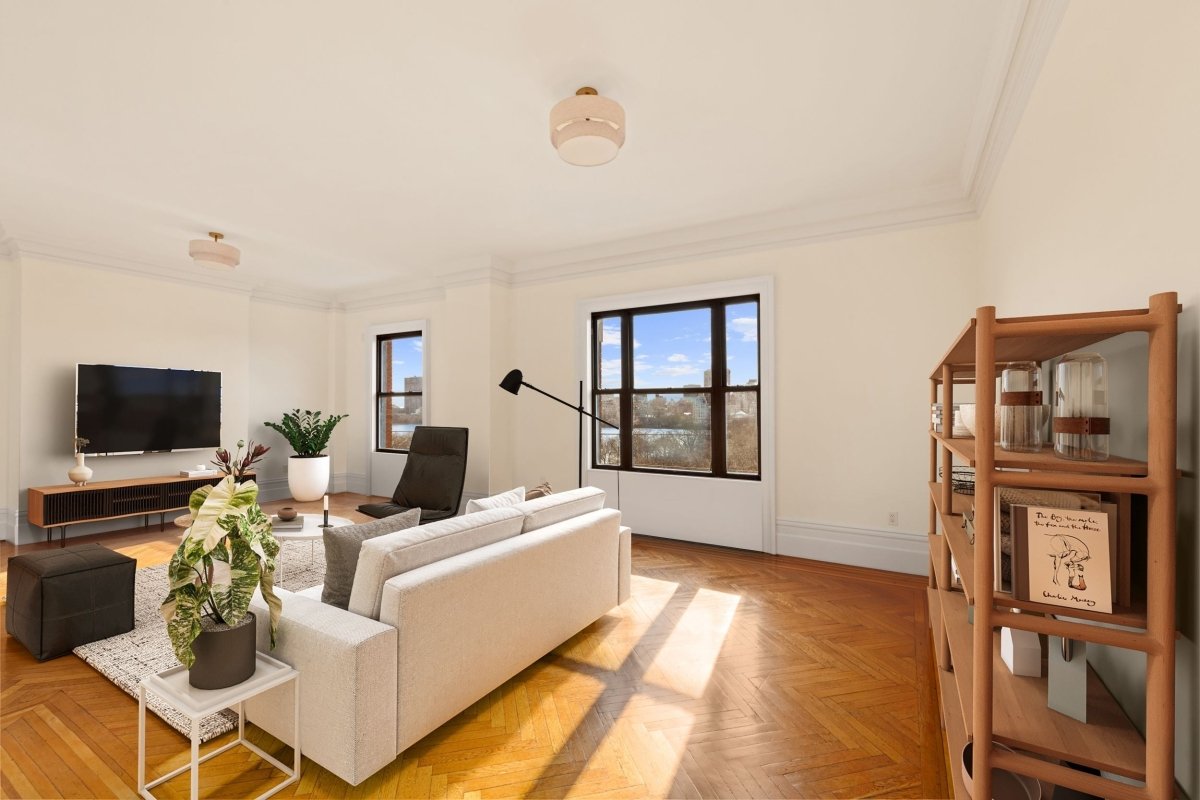
Vacant properties can be challenging to market because empty rooms often feel cold, smaller than expected, and difficult for buyers to visualize. Even when a property has excellent features, buyers may struggle to understand how furniture will fit, how each room should function, or what daily life in the home could look like.
That is why presentation matters.
With professional photography, thoughtful styling, and virtual staging, real estate agents and sellers can transform empty listing photos into polished marketing images that help buyers better understand the potential of the property.
The goal is not to hide the fact that the home is vacant. The goal is to make every room easier to understand, more inviting, and more memorable.
Why Vacant Listings Can Be Harder for Buyers to Visualize
When buyers browse property listings online, photos are usually one of the first things they notice.
A beautifully furnished room immediately provides context. Buyers can see where the sofa might go, how large the dining area feels, or whether a bedroom can comfortably fit a bed and additional furniture.
An empty room does not provide the same visual references.
Vacant spaces can make it difficult for buyers to:
- Understand the true size of a room
- Imagine furniture placement
- Determine the purpose of an unusual space
- Visualize themselves living in the property
- Understand how rooms connect
- Recognize the best features of the room
- Feel an emotional connection to the home
This does not mean vacant properties cannot perform well online. It simply means the listing presentation needs to work harder to communicate the property's potential.
1. Start With High-Quality Real Estate Photography
Before thinking about staging, begin with strong photography.
Virtual staging can improve the presentation of a room, but the quality of the original photograph still matters. A blurry, dark, distorted, or poorly framed image will limit the final result.
Whenever possible, listing photos should be:
- Bright and properly exposed
- Sharp and high resolution
- Taken from a useful viewing angle
- Free from unnecessary clutter
- Straight and properly aligned
- Representative of the actual room
- Wide enough to show the layout without extreme distortion
Natural daylight can also make a significant difference.
Opening blinds and curtains before taking photographs can make rooms feel brighter and more inviting. When possible, avoid photographing directly into harsh sunlight because it can create strong highlights and shadows.
A clean, balanced source image gives virtual staging professionals more flexibility to create realistic results.
2. Give Every Important Room a Clear Purpose
One of the biggest problems with vacant spaces is that buyers may not immediately understand what they are looking at.
This is especially common in:
- Open-concept properties
- Smaller homes
- Condominiums
- Converted rooms
- Bonus rooms
- Basement spaces
- Unusual floor plans
A vacant area between the kitchen and living room might be intended as a dining space, but without furniture, the function may not be obvious.
Virtual staging can provide that context.
For example:
- Add a dining table to define a dining area.
- Add a desk and chair to communicate a home office.
- Add a bed to establish a bedroom.
- Add a sofa and media console to define a living area.
- Add outdoor seating to demonstrate how a patio could be used.
When buyers can immediately identify the purpose of a room, they spend less time trying to understand the floor plan and more time imagining themselves in the property.
3. Use Furniture to Help Buyers Understand Scale
One of the most important benefits of staging is scale.
Empty rooms can be surprisingly difficult to judge from photographs. A large room may appear small because there are no familiar objects for comparison. A compact room may appear larger than it actually is.
Furniture provides buyers with visual reference points.
For example, virtually placing a queen-sized bed in a bedroom can help buyers understand whether there is enough room for bedside tables, a dresser, or a walkway.
Similarly, adding a properly scaled sofa to a living room can demonstrate how much seating the space can realistically accommodate.
However, furniture scale must remain believable.
Avoid:
- Oversized sectionals in small rooms
- Beds that leave unrealistic circulation space
- Dining tables that are too large for the room
- Large décor covering important architectural details
- Furniture blocking doors or walkways
- Pieces that do not match the room's perspective
Realistic scale makes the staging more useful and credible.
4. Choose a Design Style That Matches the Property
The furniture style should complement the architecture, location, and target market of the home.
A luxury condominium and a traditional suburban home may require very different staging approaches.
Popular virtual staging styles include:
- Modern
- Contemporary
- Scandinavian
- Transitional
- Minimalist
- Mid-Century Modern
- Coastal
- Traditional
- Modern Farmhouse
- Luxury Contemporary
For many listings, a warm, neutral style works particularly well because it creates visual appeal without overwhelming the room.
Consider using:
- Light wood tones
- Beige or cream upholstery
- Soft gray accents
- Natural textures
- Simple artwork
- Greenery
- Warm accent lighting
- Minimal accessories
The objective is to create an attractive space that still allows buyers to imagine adding their own personality.
5. Understand Your Target Buyer
Good staging should not only match the property. It should also reflect the type of buyer the listing is likely to attract.
For example, a downtown condominium marketed to young professionals may benefit from clean contemporary furniture, a compact dining area, and a functional workspace.
A larger suburban family home may benefit from warmer transitional furniture, comfortable seating, and clearly defined family spaces.
An investment property may require simpler, more practical styling that emphasizes usability and layout.
Before selecting a design style, consider:
- Property type
- Location
- Price range
- Typical buyer demographics
- Architectural style
- Room sizes
- Overall listing strategy
Staging becomes more effective when it supports the way the property is being marketed.
6. Keep the Furniture Layout Simple
Adding more furniture does not automatically improve a listing photo.
One of the most common staging mistakes is trying to fill every empty corner.
Too much furniture can:
- Make rooms look smaller
- Block circulation paths
- Hide architectural details
- Make the image feel cluttered
- Distract buyers from the property itself
Instead, focus on the essential pieces that explain how the room can function.
For a Living Room
Consider:
- Sofa
- One or two accent chairs
- Coffee table
- Area rug
- Side table
- Simple artwork
- Minimal décor
For a Bedroom
Consider:
- Bed
- Bedside tables
- Lamps
- Area rug
- Simple artwork
For a Dining Room
Consider:
- Properly scaled dining table
- Dining chairs
- Simple centerpiece
- Artwork or mirror
For a Home Office
Consider:
- Desk
- Chair
- Small storage unit
- Minimal accessories
The staging should provide enough information without making the room feel crowded.
7. Maintain Clear Walkways
Furniture placement should make sense from a practical standpoint.
Buyers subconsciously evaluate whether they could comfortably move through the room.
A beautiful furniture arrangement will not be effective if it blocks:
- Doorways
- Hallways
- Sliding doors
- Windows
- Kitchen access
- Balcony access
- Major circulation paths
Maintain enough open space around furniture so the room feels functional.
This is especially important in narrow living rooms, small bedrooms, compact condominiums, and open-plan layouts.
Good staging should make a room feel easier to use—not harder.
8. Use Décor to Add Warmth
Furniture defines function, while décor helps create atmosphere.
Vacant rooms can feel cold because they lack texture, contrast, and personal warmth.
Virtual staging can introduce these elements through:
- Area rugs
- Cushions
- Throws
- Artwork
- Lamps
- Plants
- Curtains
- Books
- Decorative objects
- Natural wood textures
These small details can make a room feel more inviting.
However, décor should remain subtle.
Too many accessories can make an image look artificial or distract from the actual property.
A few carefully selected decorative elements are usually more effective than filling every surface.
9. Highlight the Best Features of the Property
Furniture placement should support the architecture rather than compete with it.
If a room has an attractive feature, staging can help direct attention toward it.
For example:
Fireplace
Arrange the seating so the fireplace becomes a natural focal point.
Large Windows
Use furniture that keeps the view and natural light visible.
High Ceilings
Choose appropriately scaled furniture and vertical artwork without overcrowding the walls.
Open Floor Plan
Use furniture groups and rugs to visually define different zones.
Kitchen Island
Add stools that demonstrate how the island could function as casual seating.
Balcony or Patio
Add simple outdoor furniture to show how buyers could enjoy the space.
Other features worth highlighting include:
- Built-in shelving
- Architectural details
- Feature walls
- Scenic views
- Large bedrooms
- Spacious living areas
- Outdoor entertaining areas
The strongest property features should remain the main focus of the photograph.
10. Create Consistency Throughout the Listing
A listing should feel like one complete home.
If every staged room uses a completely different furniture style, buyers may experience the listing as visually disconnected.
For example, a Scandinavian living room, traditional bedroom, and ultra-modern dining room may not feel cohesive when viewed together.
Maintain consistency by using similar:
- Furniture styles
- Color palettes
- Wood tones
- Metal finishes
- Artwork styles
- Textures
- Décor levels
The furniture does not need to be identical in every room, but there should be a clear design direction throughout the listing.
Consistency creates a more polished and professional presentation.
11. Stage the Most Important Rooms First
Not every room necessarily needs virtual staging.
If the marketing budget is limited, prioritize the rooms that are most important to buyers.
These often include:
- Living room
- Primary bedroom
- Dining room
- Main family room
- Home office
- Important outdoor spaces
Rooms with unusual layouts are also good candidates because staging can help buyers understand their function.
Utility rooms, hallways, storage areas, and secondary spaces may not require staging unless they play an important role in the listing.
12. Make Small Rooms Feel Functional
Small vacant rooms can be particularly difficult to market.
When empty, buyers may wonder whether furniture can fit at all.
The solution is not to use tiny, unrealistic furniture. Instead, use appropriately scaled pieces and maintain good circulation.
For a small bedroom, for example:
- Use a realistic bed size.
- Choose compact bedside tables.
- Avoid unnecessary chairs.
- Keep décor simple.
- Leave visible floor space.
- Maintain clear access to doors and windows.
For a narrow living room:
- Place the sofa along the longest wall.
- Use one compact accent chair.
- Choose a slim coffee table.
- Avoid bulky storage furniture.
Virtual staging can demonstrate that even a compact space can be practical when the layout is planned carefully.
13. Show Potential in Awkward Spaces
Vacant properties often include areas that buyers may not know how to use.
Examples include:
- Empty corners
- Alcoves
- Spaces under stairs
- Wide hallways
- Small lofts
- Open landings
- Unusual room extensions
Staging can transform these areas into useful features.
An awkward corner could become:
- Reading nook
- Small office
- Conversation area
- Storage area
- Coffee station
- Display space
Showing a realistic use for an unusual area can make the property's layout feel more intentional.
14. Make Outdoor Spaces Part of the Listing
Vacant patios, balconies, terraces, and backyards can also benefit from thoughtful presentation.
An empty balcony may appear small or underutilized.
Adding:
- Outdoor chairs
- Small table
- Outdoor sofa
- Planters
- Simple décor
can help buyers understand how the space might be used.
Outdoor staging is particularly useful when outdoor living is an important selling feature of the property.
As with interior staging, furniture should remain realistic in size and placement.
15. Avoid Making the Staging Look Too Perfect
One of the goals of virtual staging is realism.
Furniture, lighting, and décor should look like they naturally belong in the photograph.
Staging may feel unrealistic when:
- Furniture appears to float
- Shadows do not match the room
- Lighting comes from the wrong direction
- Furniture proportions are incorrect
- Pieces overlap walls or windows
- Rugs have incorrect perspective
- Décor appears overly perfect or repetitive
Professional quality control is important because small visual mistakes can reduce the credibility of the final image.
Vacant Photo vs. Virtually Staged Photo
| Vacant Photo | Virtually Staged Photo |
|---|---|
| Empty floor area | Properly scaled furniture |
| No clear room function | Defined room purpose |
| Limited sense of scale | Furniture provides visual scale |
| Minimal visual warmth | Textures, décor, and styling |
| Difficult to imagine furniture placement | Clear layout inspiration |
| Harder to understand unusual spaces | Shows a possible use for the area |
| Basic listing presentation | More polished marketing image |
| Buyers must imagine the possibilities | Buyers receive visual inspiration |
Both types of images have value.
The original vacant image documents the property's actual condition, while the virtually staged image demonstrates one possible way the room could be furnished.
Before Virtual Staging
Before submitting a vacant property for virtual staging, consider these simple preparation steps:
- Choose the strongest photos.
- Use high-resolution images.
- Make sure rooms are well lit.
- Remove visible trash or construction materials.
- Identify each room clearly.
- Decide which rooms are most important.
- Choose a preferred design style.
- Provide specific furniture placement requests when necessary.
- Mention important features that should remain visible.
Clear instructions can help the staging process produce a result that better matches the property's marketing strategy.
How Virtual Staging Helps Real Estate Marketing
A large portion of the home search process begins online.
This means listing photos need to communicate quickly.
Virtual staging can help real estate professionals present vacant properties in a way that makes them easier to understand while maintaining flexibility in furniture styles and layouts.
Instead of physically furnishing every property, agents can use digitally staged photographs for marketing materials such as:
- MLS listings
- Real estate websites
- Social media
- Digital advertisements
- Property brochures
- Email campaigns
- Listing presentations
For agents handling multiple listings, virtual staging can also provide a more consistent approach to presentation.
Virtual Staging vs. Leaving the Property Vacant
Leaving a property completely vacant can still work when the architecture is strong and the rooms are easy to understand.
However, staging may provide additional visual context.
| Vacant Listing | Virtual Staging |
|---|---|
| Shows the property in its actual empty condition | Shows a possible furnished layout |
| Offers a clean, distraction-free view | Adds warmth and visual interest |
| Requires buyers to estimate furniture scale | Helps communicate room size and scale |
| Buyers must imagine how each room could function | Provides clear layout and furniture inspiration |
| May feel less inviting in online listings | Creates a more polished, lifestyle-focused presentation |
| No design style is applied | Can be tailored to the property and target market |
The best approach depends on the property, marketing strategy, and intended audience.
Use Virtual Staging Without Misrepresenting the Property
Virtual staging should improve presentation without changing the physical reality of the home.
Permanent architectural elements should remain accurate.
This includes:
- Windows
- Doors
- Walls
- Flooring
- Ceiling heights
- Built-in features
- Room dimensions
- Permanent fixtures
Virtual staging should primarily help buyers understand furniture placement, function, and styling.
If permanent features are digitally changed, buyers may develop expectations that do not match what they see during a property viewing.
Clearly Label Virtually Staged Photos
Transparency is important when using virtually staged photographs.
Virtually staged images should be clearly identified as “Virtually Staged” where required.
It is also good practice to keep the original vacant photographs available so buyers can compare the property's actual condition with the staged version.
This helps maintain accurate marketing while still providing visual inspiration.
How Bella Virtual Staging Can Help
Professional virtual staging can help transform vacant real estate photographs into more inviting listing images without physically furnishing the property.
With Bella Virtual Staging, empty rooms can be digitally styled with carefully selected furniture and décor designed to complement the property's architecture and target market.
Virtual staging can be useful for:
- Vacant homes
- Condominiums
- Investment properties
- Rental properties
- Newly constructed homes
- Model units
- Luxury listings
- Properties that have already been emptied before listing
Depending on the property, agents can select furniture styles that help create a more cohesive and marketable presentation.
Create Listing Photos That Help Buyers See the Possibilities
Making a vacant listing more attractive does not necessarily mean filling every room with furniture.
It means helping buyers understand the property.
Strong photography, realistic furniture scale, thoughtful layouts, warm styling, and consistent presentation can make vacant spaces easier to visualize.
The most effective virtual staging supports the architecture instead of hiding it.
When buyers can quickly understand how a room might function, they can spend more time imagining what it would be like to live there.
Ready to Transform Your Vacant Listing?
Turn empty rooms into inviting, professionally presented spaces with Bella Virtual Staging.
Explore our Virtual Staging Service or visit Bella Virtual to learn more.
For specific staging requirements or questions about your property, you can also contact Bella Virtual.
Frequently Asked Questions
Does virtual staging work for completely vacant homes?
Yes. Vacant properties are ideal candidates for virtual staging because furniture and décor can be added digitally to demonstrate room function, furniture placement, and scale.
Which rooms should I virtually stage?
Prioritize the rooms that have the greatest impact on buyers, such as the living room, primary bedroom, dining area, family room, and important outdoor spaces.
Rooms with confusing layouts can also benefit from staging.
Should every vacant room be staged?
Not necessarily.
Focus on the spaces buyers care about most or rooms where the layout is difficult to understand when empty.
What design style is best for virtual staging?
The best style depends on the property's architecture, location, price range, and target buyer.
Modern, contemporary, Scandinavian, transitional, and warm neutral interiors work well for many properties because they create broad visual appeal.
Can virtual staging help a small room?
Yes.
Properly scaled furniture can demonstrate how a smaller room could function while still preserving visible floor area and circulation space.
Can virtual staging be used for outdoor spaces?
Yes. Patios, balconies, terraces, and other outdoor areas can be digitally furnished to help buyers visualize how they could use the space.
Can virtual staging change the structure of the property?
Virtual staging should generally focus on furniture and décor. Permanent architectural elements should remain accurate so the photographs continue to represent the actual property.
Why should furniture scale be realistic?
Correct furniture scale helps buyers understand the true size and functionality of a room. Oversized or undersized furniture can create a misleading impression of the space.
Do virtually staged photos need to be disclosed?
Virtually staged images should be clearly identified where required. Keeping the original vacant images available is also recommended so buyers can see the property's actual condition.
Is virtual staging only for luxury properties?
No.
Virtual staging can be used for many types of properties, including starter homes, condominiums, investment properties, rentals, new construction, and luxury listings.
Can different rooms use different furniture?
Yes, but the overall design direction should remain consistent. Using similar colors, materials, and furniture styles helps the entire listing feel cohesive.
How do I prepare photos for virtual staging?
Use bright, high-resolution photographs with clear views of each room. Identify the rooms and provide any preferred design style, furniture placement, or special instructions when submitting the photos.
How can I get started with Bella Virtual Staging?
Select the photos you want to stage and submit your project through the Bella Virtual Staging service.
You can also visit www.bellavirtual.com to explore additional services and learn more about preparing your listing for professional virtual staging.