August 20, 2026 · Bella Staging
Virtual Staging Secrets: What Makes Buyers Stop and Look?
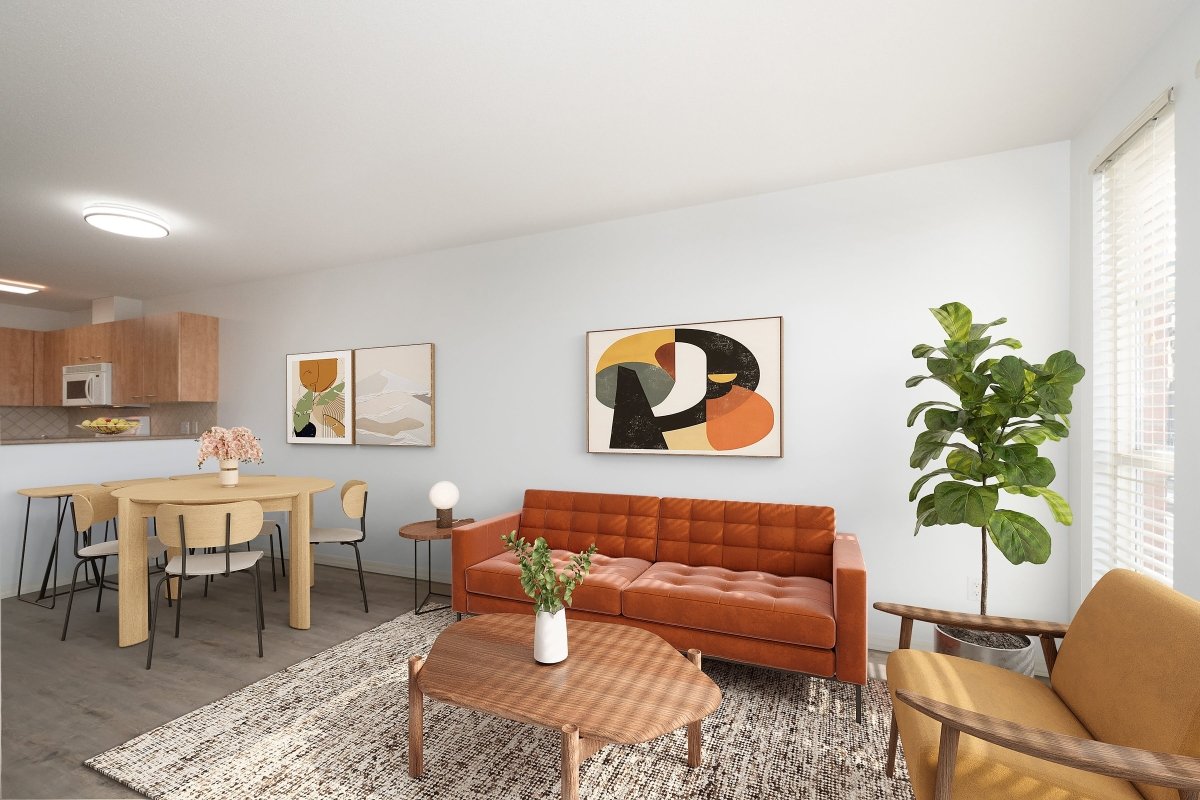
When buyers search for a home online, they move quickly.
They scroll through dozens of listings, compare photos, check prices, and decide within seconds whether a property deserves a closer look. Therefore, your listing photos need to do more than simply document the rooms. They need to capture attention.
For a vacant property, that can be difficult.
Without furniture, buyers may struggle to understand the size of a room, imagine how furniture could fit, or visualize what everyday life might look like inside the home.
That is where virtual staging can make a major difference.
Professional virtual staging transforms vacant property photos into polished, realistic spaces that help buyers understand a home's potential. However, successful staging is not simply about adding attractive furniture.
The real secret is knowing what makes buyers stop and look.
Why Virtual Staging Matters in Online Real Estate Marketing
Today, the first showing often happens online.
Before buyers schedule an appointment or contact an agent, they usually explore listing photos. Consequently, photography plays an important role in forming their first impression of a property.
A vacant room can certainly appear clean and spacious. However, it can also feel cold, unfinished, or difficult to understand.
For example, buyers may wonder:
- Will a full-size sofa fit in the living room?
- Is there enough space for a dining table?
- Could the spare bedroom become a home office?
- Where should the television go?
- Is the primary bedroom large enough for a king-size bed?
Virtual staging helps answer those questions visually.
Instead of asking buyers to imagine everything themselves, professionally staged images provide a realistic example of how each room could function.
Explore Bella Virtual's Virtual Staging Service to see how vacant spaces can be transformed into market-ready listing images.
Secret #1: Create a Strong Focal Point
Every memorable listing photo needs a focal point.
The buyer's eye should naturally know where to look first.
In a living room, the focal point could be a well-positioned sofa arrangement that highlights a fireplace, large window, or attractive view.
Meanwhile, in a bedroom, the bed may anchor the composition.
In a dining room, a correctly sized dining table can immediately communicate the purpose of the space.
However, furniture should never compete with the property itself.
The goal of virtual staging is not to make buyers think:
"That's a beautiful sofa."
Instead, you want them thinking:
"That's a beautiful living room."
Therefore, professional virtual staging should highlight the home's strongest architectural features while using furniture and décor to support them.
Secret #2: Show Buyers Exactly How the Space Can Be Used
Vacant rooms sometimes create uncertainty.
This is especially common with open-concept layouts, bonus rooms, small bedrooms, awkward corners, and multifunctional spaces.
A buyer might look at an empty area and have no idea what to do with it.
Virtual staging can immediately provide context.
For example, an empty corner could become a functional home office with a desk, chair, lamp, and carefully selected décor.
Likewise, an undefined area beside a kitchen could become a comfortable dining space.
A spare bedroom could also be presented as a guest room, home office, or combination workspace depending on the property's target buyer.
As a result, virtual staging helps buyers understand possibilities that may not be obvious from the vacant photo alone.
Secret #3: Get the Furniture Scale Right
One of the most important elements of realistic virtual staging is furniture scale.
Furniture that is too large can make a room appear cramped.
On the other hand, furniture that is too small may make the room appear larger than it actually is.
Neither approach provides the best buyer experience.
Instead, furniture should be carefully selected according to the room's visible proportions and perspective.
For example, a narrow condo living room may look best with a streamlined sofa, appropriately sized coffee table, and compact accent chair.
Meanwhile, a large family room may require a sectional or larger furniture arrangement to create the right visual balance.
Correct furniture scale gives buyers useful context while maintaining a realistic representation of the property.
Secret #4: Make the Lighting Feel Natural
Even beautiful furniture can look unrealistic if the lighting does not match the original photograph.
Imagine sunlight entering through windows on the right side of the room while digitally staged furniture appears to be illuminated from the left.
Something will immediately feel wrong.
Buyers may not consciously identify the lighting problem. However, they can often recognize when an image does not look natural.
Therefore, professional virtual staging should consider:
- Natural light direction
- Existing room brightness
- Shadows
- Reflections
- Window light
- Interior lighting
- Furniture materials
- Overall color temperature
These details help staged furniture blend naturally into the original property photo.
Ultimately, the best virtual staging should make the buyer focus on the room rather than question how the image was created.
Secret #5: Choose a Design Style That Fits the Property
Not every property should receive the same furniture.
A modern downtown condo may benefit from clean lines, sophisticated furniture, and a more contemporary design direction.
Meanwhile, a suburban family home might feel more inviting with comfortable seating, warm textures, and practical furniture arrangements.
Luxury properties may require another approach entirely.
Therefore, virtual staging should reflect several factors, including:
- Property architecture
- Room size
- Listing price point
- Target market
- Property location
- Existing finishes
- Overall character of the home
The design should feel like it belongs inside the property.
This customized approach is also important when comparing professional virtual staging with automated AI staging.
AI-generated staging may introduce inconsistent furniture, inaccurate proportions, unusual shadows, distorted architectural details, or unrealistic finishes. Consequently, those visual mistakes can distract buyers from the actual property.
Professional virtual staging gives greater control over the design while keeping the focus on accurate, polished real estate marketing.
Secret #6: Keep the Design Aspirational but Realistic
There is a difference between making a room beautiful and making it believable.
Virtual staging should help buyers imagine an appealing lifestyle. However, the design should still feel achievable and comfortable.
Too many decorative items can create visual clutter.
Likewise, oversized art, excessive accessories, dramatic furniture, or overly elaborate styling can pull attention away from the property.
Instead, effective staging often uses restraint.
A living room might only need:
- A sofa
- An accent chair
- A coffee table
- A rug
- Appropriate lighting
- A few carefully selected accessories
The result can still feel finished without overwhelming the room.
Moreover, leaving some visual breathing space helps the property itself remain the star of the image.
Secret #7: Make the First Photo Powerful
Your first few listing photos are particularly important.
If buyers are not interested in what they see initially, they may never reach the rest of the gallery.
Therefore, choose your strongest spaces carefully.
Depending on the property, this could include:
- Living room
- Great room
- Kitchen and dining area
- Primary bedroom
- Attractive indoor-outdoor living space
Virtual staging can help these rooms communicate their full potential immediately.
However, the remaining gallery should also feel consistent.
If the living room uses contemporary furniture while the dining room suddenly looks traditional, the property can feel visually disconnected.
Instead, maintain a consistent design direction throughout the listing.
Secret #8: Stage the Rooms Buyers Care About Most
You do not necessarily need to virtually stage every room.
Strategic staging can often be more effective.
Start with the spaces that have the greatest influence on how buyers understand the property.
Living Room
The living room is often one of the most important spaces because buyers want to understand how they will relax, entertain, and spend time with family or friends.
Therefore, the furniture arrangement should make the space feel comfortable and functional.
Primary Bedroom
A vacant bedroom may provide very little sense of scale.
Adding an appropriately sized bed, nightstands, lighting, and subtle décor immediately helps buyers understand the room's dimensions.
Dining Area
Dining areas can be particularly difficult to visualize when vacant.
A table and chairs demonstrate both the purpose of the space and how many people it might comfortably accommodate.
Home Office
Remote and hybrid work have made flexible spaces increasingly valuable.
Therefore, staging an extra room or suitable nook as a home office can demonstrate another way the property could support everyday life.
Secret #9: Help Buyers Imagine a Lifestyle
Real estate marketing is not only about showing walls, floors, and ceilings.
It is also about helping buyers imagine how the property might feel to live in.
A staged living room can suggest evenings spent relaxing.
A dining room can suggest family dinners or entertaining friends.
A comfortable bedroom can communicate privacy and rest.
Meanwhile, a thoughtfully staged home office can demonstrate productivity and flexibility.
These visual cues help turn an empty structure into a potential home.
That emotional connection is one of the most powerful benefits of professional virtual staging.
Secret #10: Never Let Staging Misrepresent the Property
Good virtual staging improves presentation without misleading buyers.
Furniture and décor can demonstrate how a room could be used. However, permanent architectural details should remain accurate.
For example, virtual staging should not secretly:
- Remove permanent walls
- Add windows that do not exist
- Change ceiling heights
- Hide important structural elements
- Create unrealistic room dimensions
- Add permanent features without appropriate disclosure
Instead, staging should work with the existing property.
When larger visual changes are required, they should be presented appropriately as a renovation concept.
Bella Virtual also offers Virtual Renovation & Staging for properties where sellers, agents, developers, or buyers need help visualizing updated finishes and potential improvements.
Why Before-and-After Photos Work So Well
Before-and-after comparisons can be especially powerful because they immediately communicate the value of staging.
The vacant image shows the property as it currently appears.
Meanwhile, the virtually staged version shows one possible way the room could look when furnished.
This allows viewers to compare the transformation without losing sight of the original property.
For real estate professionals, these comparisons can also be useful for:
- Listing presentations
- Property marketing
- Social media
- Seller presentations
- Real estate websites
- Email marketing
- Digital advertising
Additionally, before-and-after images can help demonstrate that the property's biggest challenge may simply be presentation rather than the space itself.
Suggested image alt text:
Before-and-after virtual staging of a vacant living room transformed with realistic furniture and décor to help real estate buyers visualize the space.
Professional Virtual Staging vs. Automated AI Staging
Speed alone does not make a listing image effective.
Accuracy, realism, composition, scale, and design judgment also matter.
Automated AI staging can occasionally produce visually impressive images at first glance. However, closer inspection may reveal distorted furniture, altered architecture, incorrect shadows, unusual objects, inconsistent décor, or unrealistic room proportions.
For real estate marketing, those errors can create unnecessary distractions.
Professional virtual staging takes a more controlled approach.
Furniture placement, room function, perspective, and overall design direction can be considered carefully so the finished image supports the property rather than changing its identity.
Therefore, when listing presentation and buyer trust matter, quality control should remain a priority.
How Bella Virtual Helps Real Estate Listings Stand Out
Bella Virtual helps real estate professionals transform vacant listing photos into polished, buyer-friendly visuals.
Instead of simply filling rooms with furniture, the objective is to create a balanced design that helps buyers understand scale, layout, function, and potential.
Additionally, Bella Virtual provides a 24-hour turnaround, making professional virtual staging practical for agents working with fast-moving listing schedules.
Whether you are preparing a vacant condo, single-family home, luxury listing, investment property, or new development, strong visual presentation can help your listing make a more memorable first impression.
Frequently Asked Questions About Virtual Staging
What is virtual staging?
Virtual staging is the process of digitally adding furniture, décor, and other design elements to photographs of vacant properties. It helps buyers understand how a room could be furnished and used without requiring physical furniture to be installed.
Why is virtual staging useful for vacant homes?
Vacant rooms can make it difficult for buyers to judge scale and understand functionality. Virtual staging adds visual context, helping buyers see how furniture could fit and how the space might function in everyday life.
Which rooms should be virtually staged first?
Living rooms, primary bedrooms, dining areas, and important flexible spaces are usually strong priorities. However, the best rooms to stage depend on the property's layout and target buyer.
Should every room be virtually staged?
Not necessarily. Strategic virtual staging focuses on rooms where furniture provides the most useful context. In many listings, staging the main living spaces and bedrooms can create a cohesive presentation without staging every photograph.
What makes virtual staging look realistic?
Realistic virtual staging depends on correct furniture scale, perspective, natural lighting, believable shadows, appropriate design choices, and careful furniture placement.
Is virtual staging better than automated AI staging?
Professional virtual staging provides greater control over furniture selection, proportions, room layout, lighting, and architectural accuracy. Automated AI staging may create inconsistent or unrealistic details, which can distract from the property.
How quickly can Bella Virtual complete virtual staging?
Bella Virtual provides a 24-hour turnaround, helping real estate professionals prepare their listing photos quickly.
Can Bella Virtual help with renovation concepts?
Yes. For properties that require more than furniture and décor, explore Bella Virtual's Virtual Renovation & Staging Service.
Where can I find more information about Bella Virtual?
Visit the Bella Virtual website, browse the Bella Virtual Blog, or visit the Frequently Asked Questions page.
Conclusion: Make Buyers Stop, Look, and Imagine
Virtual staging works best when it does more than make a vacant room attractive.
It should help buyers understand the property.
Correct furniture scale provides context. Thoughtful layouts communicate functionality. Consistent design creates visual flow. Natural lighting improves realism. Most importantly, professional staging gives buyers a clearer picture of what living in the property could look like.
Because buyers often form their first impression online, those details matter.
Instead of presenting buyers with an empty room and asking them to imagine the possibilities, show them what the space could become.
Professional virtual staging can turn a quick scroll into a second look—and that second look may be exactly what your listing needs.
Ready to transform your vacant listing photos?
Explore Bella Virtual's Virtual Staging Service or contact the Bella Virtual team to get started.