August 21, 2026 · Kien Nguyen
10 Best Virtual Interior Design Services to Transform Your Space
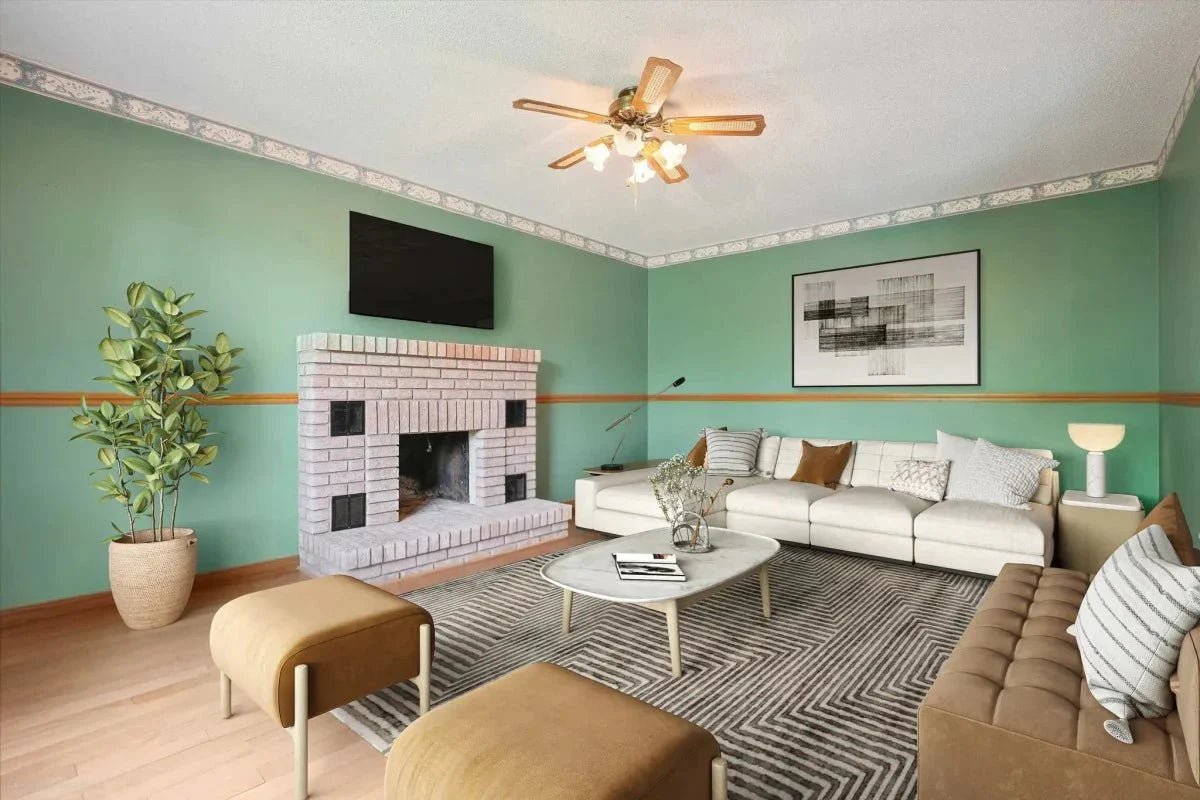
Virtual interior design gives you studio-level results without full-service overhead. This guide covers how to define scope, evaluate portfolios, compare deliverables and read pricing, so the decision feels informed rather than guessed. We break down provider types, explain when 3D actually matters, and set out timelines and revisions in plain language — so you leave with a shortlist and a method for choosing from it.
Highlights
- 3D visualisation cuts wrong purchases. Seeing proportion and finish before you order is the single biggest error-reducer in the process.
- Designer match drives the outcome. Prioritise style fit and revision clarity over package size.
- Room-based pricing protects budget. Pay for concierge purchasing only when the logistics are genuinely overwhelming.
What is virtual interior design?
Virtual interior design is a design service delivered entirely online. Instead of hiring a traditional designer to visit your home, you work with a designer through a digital platform to produce a customised plan, layout and shopping guide. It blends convenience, cost efficiency and visual accuracy, which is why it has become a popular route for homeowners, realtors and investors.

At its core it rests on three things: clear planning, realistic visualisation, and actionable guidance. Mood boards, scaled layouts and photoreal 3D renders let clients see how a room will look and function before buying a single piece of furniture. That is the whole point — a sofa that is four inches too deep is an expensive mistake to discover after delivery.
Key features of a virtual interior design service:
- Discovery and consultation — a style quiz, room photos, room dimensions and style preferences that define goals and constraints
- Concept development — mood boards and curated concepts reflecting your style, budget and functional needs
- Space planning — scaled layouts showing where furniture and décor go, so you avoid crowding or dead space
- 3D visualisation — photorealistic renderings showing how colours, textures and proportions read in the actual room
- Shopping lists — curated product links, ideally with alternates so an out-of-stock item does not stall the project
- Implementation notes — rug sizing, mounting heights, lighting placement: the practical detail that makes setup work
How to choose a virtual interior design service
Choosing well starts with clarity about scope, style and support level. Use this before you compare providers, and again when you narrow the final list.

Good selections begin with measurable goals and a realistic timeline. Decide which pieces stay, how the room needs to function, and what budget band is comfortable. Then review portfolios that match your taste and your room type, looking for repeatable results rather than one lucky hero shot. Finally, confirm how revisions, sourcing and communication actually work before you pay.
- Clear scope — list must-keep pieces, problem areas and target outcomes
- Aligned style — shortlist teams whose portfolios mirror your aesthetic
- Defined process — confirm revision counts, milestones and feedback cadence
Writing a brief your designer can actually use
Measure the room, noting doors, windows and ceiling height. Share wide-angle photos and a simple floor plan. Describe daily use, storage needs, and constraints like pets or rental rules. Provide six to ten inspiration images that show colour, texture and mood. A strong brief reduces revisions more than any other single thing you can do.
If you need photoreal visuals to get buy-in from a partner or a stakeholder, 3D rendering validates scale and finishes before anyone spends money.
- Accurate data — scaled plan, photos, key dimensions
- Use cases — traffic flow, storage needs, lighting goals
- Visual direction — references that align colour, texture and mood
See also: Top 10 Staging Home Services Every Realtor Recommends
Top 10 virtual interior design services
These are the provider types worth comparing if you are budget-conscious. The order emphasises clarity of deliverables, visualisation quality and support options.
1. Bella Virtual Staging
Bella Virtual Staging pairs studio-grade design with an entirely online workflow, which suits homeowners, investors and agents who want a finished visual rather than a consultation.
The entry point is Design My Room at $99: you send a photo of the room and receive three distinct designs for it, furnished with pieces from recognisable brands, so you can compare directions side by side rather than committing to one designer's first idea. If you like a direction and want it applied across a whole property, virtual staging is $37 per photo, virtual renovation — which changes flooring, cabinetry and finishes rather than just furniture — is $69, and full 3D rendering starts at $550 for work that has to come off a blueprint rather than a photo.
- Three options per room — compare directions instead of guessing
- Human designers — every image composed by an interior designer, not generated and shipped
- Per-photo pricing — no subscription, no minimum order, 24–48 hour turnaround
The trade-off worth knowing: Bella delivers the visual and the design direction, not concierge purchasing. If what you want is somebody else placing the orders and tracking the deliveries, a full-service platform below will suit you better.
2. Havenly
Approachable packages that work well for first-time clients. The matching flow pairs you with a designer quickly, then delivers mood boards and shoppable lists in a simple format. Friendly to smaller rooms and straightforward styling goals.
You start with a style quiz and room inputs, receive concept directions and an edited product list within your stated budget, then revise before the final plan. For clients who value ease over depth, the balance of curation and guided shopping is a good fit.
3. Decorilla
Suits homeowners who want to compare creative options. Two vetted designers submit initial directions so you can weigh approaches before committing.
After sharing measurements and preferences you receive two concept paths with 3D views, choose a direction, refine through revisions, then move to sourcing. Concierge purchasing can coordinate orders and shipping. The dual-concept model earns its cost when you genuinely cannot decide between two aesthetics.
4. Spacejoy
Emphasises fast, lifelike visualisation with practical layout guidance. If you decide by seeing rather than reading, the speed-to-visual makes early decisions easier.
A questionnaire and room inputs produce photoreal 3D options to compare, with defined revision caps that keep scope predictable. Layout notes explain why an alternative works — circulation, focal points, natural light — which is especially useful in small spaces where a layout error is unforgiving.
5. Collov
Blends AI-assisted concepting with human review to speed up idea generation. Upload room details and inspiration, evaluate AI-accelerated concepts, then a designer refines the best path and adds a floor plan and shopping list.
The hybrid flow accelerates exploration without losing control — a reasonable mix if you want variety fast but still expect a curated result.
6. RoomLift
A tactile, DIY-forward model. A design box with physical material samples arrives, so you handle colour and texture before buying.
You complete discovery, then receive a mailed kit with a floor plan, product suggestions and samples. The plan explains how the pieces work together and where they sit. It slows impulse buying, which for most people is the point.
7. 3D-first platforms
Platforms that build a model of your exact room let you judge scale and composition by placing real products in it. If photoreal visuals drive your confidence, this category is compelling.
The workflow captures measurements and reference photos, then builds a room twin you can test layouts in. Shopify's analysis of 3D commerce reports meaningful conversion lifts when shoppers can interact with a product in 3D — the same mechanism that makes try-before-you-buy work for a room.
8. Boutique eDesign studios
Direct access to a principal designer with a tailored scope. Suits homeowners who want a personal relationship and nuanced curation.
Expect a detailed intake, iterative conversations and custom sourcing. Deliverables usually include mood boards, a scaled plan, and guidance for trades. The result feels specific to your home, with flexibility to build around heirlooms or architectural quirks.
9. Retailer programs
Advice tied to a single catalog. If you already plan to shop within one brand family, this simplifies availability and returns.
Many retailers offer free or low-commitment consultations. Choice is narrower, but integrated inventory reduces out-of-stock risk and returns are handled in one system. Convenience over exploration.
10. Hybrid local plus online
Combines a targeted site visit with virtual follow-ups. Useful for complex rooms, tricky measurements, or projects touching light trades.
A professional confirms dimensions on-site and notes electrical or structural constraints — and where plumbing, wiring or load-bearing questions arise, defers to a qualified trade. The rest moves online. You get accuracy where it matters and speed everywhere else. Unlike traditional interior design, only the highest-risk steps happen face to face.
Pricing and deliverables
Most providers sell room-based packages, often in three tiers, with add-ons for 3D, rush delivery or concierge purchasing. A standard package typically covers discovery, concept or mood boards, a floor plan and product selections. Premium tiers add multiple 3D views, material palettes and hands-on purchasing.

Before you buy, confirm three things: how many revisions are included, what the lead-time assumptions are, and how out-of-stock items get handled. Those three answers explain most of the difference between a project that lands on time and one that drifts.
- Package clarity — know exactly what each tier includes
- 3D value — visual proof reduces errors and returns
- Logistics plan — documented lead times and pre-approved alternates
Timelines depend on room complexity and how fast you give feedback. Most projects run discovery → initial concept → revisions → final plan → optional purchasing support. Group your comments into focused rounds rather than dripping them out; it is the cheapest way to protect both timeline and cost.
See also: What Is Home Staging? 10 Hacks That Attract Buyers Instantly
FAQs: virtual interior design
What is virtual interior design? A design service delivered online, covering discovery, concept development and a plan you implement yourself. It typically provides mood boards, floor plans, visuals and curated sourcing. The flow starts with a questionnaire and measurements, then moves through concepts and revisions to documentation for layout and purchasing. Many services add 3D visualisation so you can judge scale and finish before buying.
How much do virtual interior design services cost? It varies by provider, room size and deliverables. Most sell room-based packages with optional upgrades for photoreal 3D or concierge purchasing. As a reference point, Bella's Design My Room is $99 for three designs of one room, and per-photo virtual staging is $37. To budget, list your must-keep items, compare two or three packages, confirm revision counts, and ask how out-of-stock products are handled.
What is the difference between a virtual interior designer and a virtual interior decorator? A designer typically covers space planning and technical considerations; a decorator focuses on furnishings, colour and styling. Many providers blend the two depending on scope and local regulation. If you mainly need furniture and finishes, a decorator model is enough. For remodels or awkward layouts, the designer approach handles measurements, clearances and drawings.
What deliverables should I expect? A concept board, a scaled plan, visuals and a curated shopping list, plus implementation notes covering placement, heights and sequencing. Review a sample package before purchase, and confirm the number of 3D views, revision limits and whether alternates are provided for out-of-stock items.
Which rooms suit virtual design best? Living rooms, bedrooms, dining rooms and home offices adapt well. Kitchens and baths work too, but only when measurements are precise and expectations about trades are set upfront. Start with a room that needs no structural change so you learn the process on low stakes.
Conclusion
A clear process, strong visualisation and well-defined deliverables make virtual interior design a practical way to transform a space with less risk. Match scope, style and support level to what you actually need — and remember that the expensive mistakes in this category are almost always things nobody visualised before ordering.
If you want to see three designed versions of your room before you buy anything, start with Design My Room at $99, or get in touch with Bella Virtual Staging.