August 30, 2026 · Zoe Jovic
How to Succeed as a Real Estate Agent in 2026
Real estate rewards agents who treat the work like a business rather than a hobby. Whether you are starting out or trying to break a plateau, the difference comes down to a short list of disciplines: relationships, market knowledge, consistent marketing, and a willingness to adapt when the rules change — which they did, significantly, in 2024.
What this guide covers
- Treat real estate as a business from day one — structured schedule, tracked metrics, clear goals.
- Master communication and active listening in every client interaction.
- Invest in listing visuals: photography, virtual staging, floor plans.
- Build a personal brand with a clear niche rather than competing as a generalist.
- Run lead generation and follow-up as a system, not a mood.
- Work inside the post–August 2024 commission rules: written buyer representation agreements before touring, and no buyer-agent compensation advertised on the MLS.
Your first 90 days
Licensing and regulation. Every state sets its own pre-licensing education hours, exam and background check. Look up your renewal cycle and continuing education requirements early rather than discovering them at renewal. Most agents also join the National Association of Realtors for MLS access.
Choosing a brokerage. Do not pick on commission split alone. Weigh training, mentorship access, tech stack (CRM, e-signature, marketing tools), culture and support for open houses. A 60/40 split with real mentorship beats a 90/10 split with none — 90% of a deal you never close is nothing.
Finding a mentor. Shadow an experienced agent through listing presentations, buyer consultations and open houses. Watch specifically how they handle a pricing objection, because that is the conversation that decides whether you get the listing.
A workable 90-day shape: month one for licensing and brokerage research, month two for brand-building and networking, month three for hard lead generation. Weekly open houses, staged listing photos, and a fixed outreach number you hit whether or not you feel like it.
The skills that actually separate agents
Communication and active listening. Ask open-ended questions, repeat back what the client said, and clarify budget, timeline and must-haves before you show anything. Most transaction friction traces back to an expectation nobody stated out loud.
Negotiation. In multiple-offer situations, appraisal gaps and inspection disputes, the agent who understands what their client actually values — speed, certainty, price, a specific closing date — negotiates better than the one who only pushes on price.
Market knowledge. Track national trends (rates, supply), regional patterns (metro price shifts) and hyper-local detail (school ratings, zoning, planned infrastructure). Agents who genuinely know their zip codes price more realistically, which is what shortens days on market.
Time management. Block prospecting, showings, follow-ups and admin separately. Admin expands to fill whatever space you give it, and it always eats prospecting first.
Build a brand with a niche
Pick a niche. First-time buyers? Luxury condos? Relocation into one specific neighbourhood? Investors? Clear positioning is what stops you competing with every other agent in the market on availability alone.
Be consistent. Same colours, fonts, headshot and voice across your site, Instagram, LinkedIn, business cards and email signature. Recognition compounds; a scattered brand resets to zero every time.
Build a real website. IDX-integrated search, neighbourhood guides, lead capture, and featured listings with genuinely good visuals. Then repurpose those listing photos into reels, carousels and email — you have already paid for the images, so use them more than once.


Lead generation and follow-up
This is the part that decides whether you are still in the business in two years.
Work your sphere first. Friends, family, colleagues, past clients, local business owners. It converts at a rate no cold source matches, and it is free.
Network where your niche is. Broker opens, investor meetups, school functions, charity events. Attending everything is not a strategy; attending the three things your target buyers attend is.
Keep a weekly rhythm. Something like two hours a day of outreach — ten calls, ten texts, five direct messages, five handwritten notes. The specific numbers matter less than that they are fixed and you hit them in slow weeks too.
Use a CRM. Set follow-up timelines for new leads, open-house visitors and past clients — 30, 60, 90 days, plus an annual home valuation offer. Memory is not a system.
The 2024 rule changes, and what they mean day to day
Since 17 August 2024, following the NAR settlement, two things changed for buyer's agents: you need a written buyer representation agreement before touring a home, and buyer-agent compensation can no longer be advertised on the MLS.
Practically, that means having a clear, unembarrassed conversation about your fee at the start of the relationship rather than assuming it is handled at closing. Agents who can explain their value in plain language before a tour have adapted well. Agents who avoid the conversation are having it later, under worse conditions.
Listing presentations and visual marketing
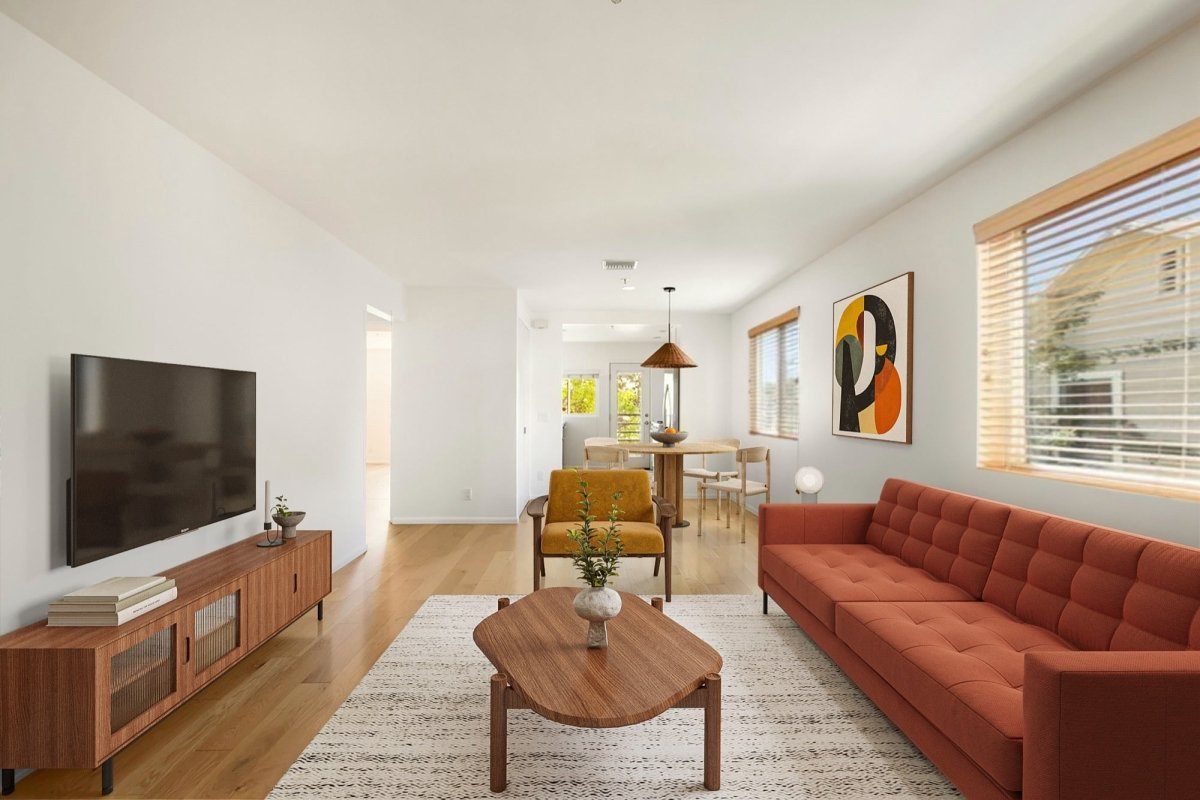
Sellers in 2026 expect a marketing plan, not a promise. A strong listing presentation covers pricing strategy, the marketing calendar, your communication cadence, and exactly what the photos will look like — including sample staged images from previous listings.
The staging case is well supported. The 2025 NAR Profile of Home Staging found that 83% of buyer's agents say staging makes it easier for a buyer to picture a home as their own, 49% of seller's agents saw a decrease in time on market, and 29% reported offers 1% to 10% higher in dollar value. The rooms that matter most: living room (37%), primary bedroom (34%), kitchen (23%).
Be sceptical of the bigger numbers you will see quoted — "staged homes sell 73% faster" and similar figures circulate widely and do not appear in NAR's research. You do not need them; the real numbers make the case.
On cost: physical staging runs $400 to $2,400 per room per month. Virtual staging is $37 a photo, so a six-photo listing is $222 — less than a single day of furniture rental. Furniture removal and restaging handles occupied listings at $39, and day-to-dusk editing turns a flat afternoon exterior into a twilight shot for $5.
Whatever you use, disclose it. Most MLSs require it, and California's AB 723 has required the original image published alongside the altered one since 1 January 2026.


Turn clients into referrals
- Map the whole journey — first contact, showings, offer, inspection, closing, post-closing — and decide in advance where you will over-deliver.
- Systematise staying in touch: quarterly market updates, home anniversary notes, seasonal maintenance checklists, local event invitations.
- Ask for the review within days of closing, while the relief is fresh. Google, Zillow, and wherever your market actually looks.
- Small concrete touches beat grand gestures: a move-in checklist, a vetted vendor list, a welcome box.
The systems worth having
- CRM — every lead tracked, follow-ups automated, contacts segmented by stage.
- Transaction management — e-signature and cloud document storage, so compliance is not a scramble.
- Visual marketing — a provider with a predictable turnaround. Bella returns staging, editing and floor plans in 24 to 48 hours, which is what lets you go from photos to live on the MLS inside a week.
- Measurement — lead source, conversion rate at each stage, average days on market, marketing spend against closings. What gets measured gets managed.
Mindset and the long game
Time-block. Prospecting in the morning, appointments midday, marketing and admin in the afternoon, and an actual end to the day.
Expect variance. Your first year will include slow months and rejection. That is the shape of a commission business, not evidence you chose wrong.
Keep learning. One hour a week on market trends, regulation and negotiation is enough to stay ahead of most of your competition, because most of them are not doing it.
Where to start this month
Success here is not one big win — it is small actions compounding over years. Audit your current business, pick two or three things from this article, and implement them this month rather than all of it badly.
If listing visuals are the gap, that is the fastest one to close. Stage your next listing with Bella Virtual Staging — $37 a photo, composed by real interior designers, back in 24 to 48 hours. See full pricing or get in touch.