August 21, 2026 · Cristy Mayangao
From Vacant to Wow: How Virtual Staging Transforms Real Estate Listings
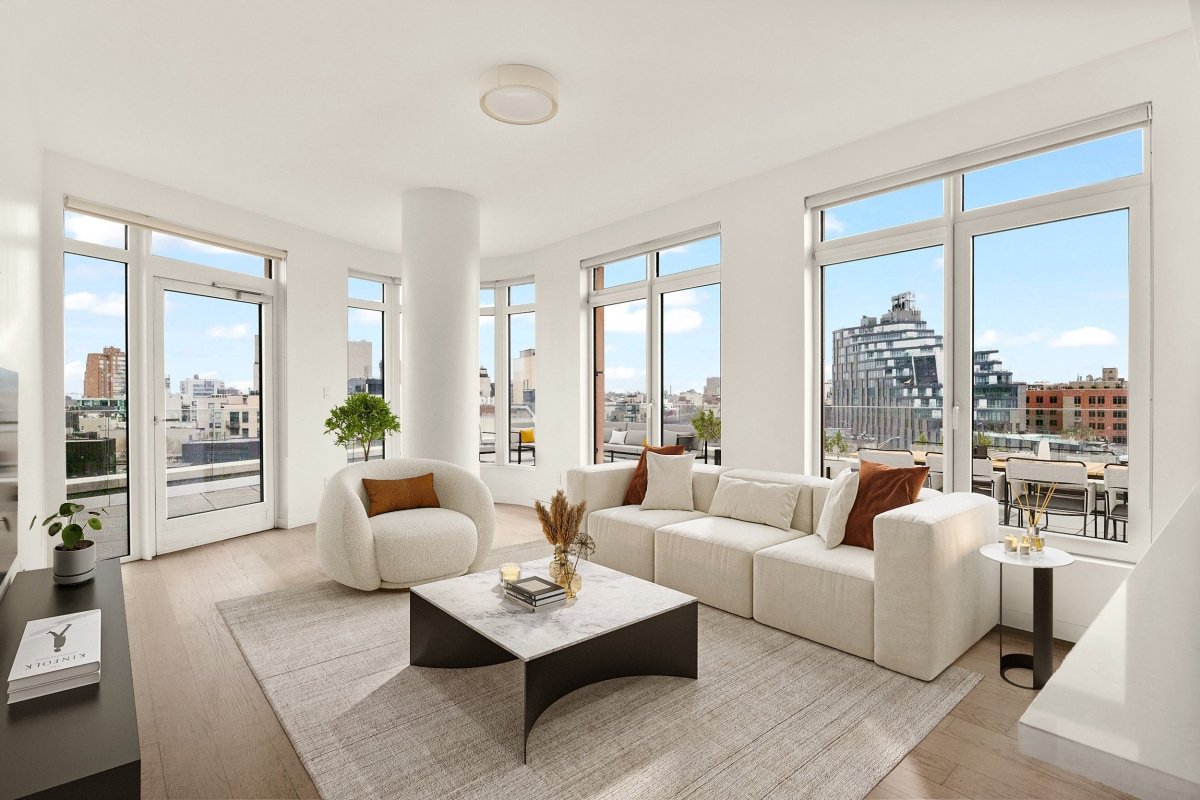
A vacant property can be difficult for buyers to visualize. Virtual staging transforms empty listing photos by digitally adding realistic furniture, décor, and styling, helping potential buyers understand how each room can look and function without the cost and logistics of bringing physical furniture into the property.
For real estate agents, sellers, investors, and property managers, virtual staging can turn simple vacant-room photos into polished marketing images that make a listing easier to understand and more visually appealing online.
At Bella Virtual, virtual staging helps showcase the potential of vacant properties while keeping the actual structure and features of the home accurate.
Why Vacant Rooms Can Be Hard to Sell Online
An empty room may look clean and spacious in person, but photographs can tell a different story.
Without furniture, buyers may struggle to understand:
- The actual size of the room
- Where furniture could be placed
- How much seating can comfortably fit
- What purpose the room should serve
- Whether a bedroom can accommodate a large bed
- How open-concept spaces could be divided
- How warm and inviting the property could feel
This can be especially challenging when buyers are scrolling quickly through dozens of listings online.
Virtual staging gives buyers visual context.
Instead of seeing only four empty walls, they can see a possible living room, bedroom, dining space, office, or other functional area.
1. Virtual Staging Gives Every Room a Purpose
One of the biggest benefits of virtual staging is helping buyers immediately understand the function of a space.
A vacant room may leave buyers wondering:
Is this a bedroom, office, dining room, or sitting area?
Virtual staging provides an answer visually.
For example, an empty room can be presented as:
- A comfortable primary bedroom
- A welcoming living room
- A functional home office
- A stylish dining area
- A guest bedroom
- A reading or lounge area
This is particularly useful for properties with unusual layouts, open floor plans, or multifunctional rooms.
2. It Helps Buyers Understand Scale
Empty rooms can sometimes appear smaller—or even larger—than they really are.
Furniture provides an important reference point.
A properly staged living room might include a sofa, accent chairs, coffee table, rug, and media console. Once these pieces are added at an appropriate scale, buyers can better understand how much furniture the room can realistically accommodate.
The goal is not to fill every corner.
Effective virtual staging uses properly scaled furniture while maintaining comfortable pathways and open space.
3. It Creates a Stronger First Impression
Real estate buyers often see a property online before they ever visit it.
That means listing photos are responsible for creating the first impression.
Compare these two experiences:
Vacant listing:
A buyer sees an empty rectangular room with white walls.
Virtually staged listing:
The buyer sees a coordinated living space with furniture, textures, artwork, lighting, and décor that help communicate the room's potential.
The structure has not changed, but the presentation has.
That visual transformation can make the listing feel more complete and easier to imagine as a future home.
4. Virtual Staging Adds Warmth Without Physical Furniture
Vacant properties can sometimes feel cold or unfinished.
Furniture, rugs, artwork, plants, and accessories introduce visual warmth and help create a more welcoming atmosphere.
Depending on the property, virtual staging can create styles such as:
- Modern
- Contemporary
- Scandinavian
- Transitional
- Mid-Century Modern
- Minimalist
- Coastal
- Modern Farmhouse
- Traditional
- Luxury Contemporary
The staging style should complement the architecture of the property and appeal to its likely target buyer.
A modern condominium, for example, may benefit from clean contemporary furniture, while a family home may look more inviting with warm transitional styling.
5. It Helps Buyers Visualize Their Future Home
Buying a property is both a practical and emotional decision.
Buyers are not only evaluating square footage and finishes. They are often trying to imagine everyday life inside the home.
Virtual staging can help them picture:
- Relaxing in the living room
- Having dinner with family
- Working from a home office
- Waking up in the primary bedroom
- Entertaining friends
- Creating comfortable spaces for children or guests
This visualization can make a vacant property feel more relatable.
6. Virtual Staging Can Highlight Important Features
Good virtual staging should support the property—not compete with it.
Furniture placement can help naturally draw attention toward important architectural features such as:
- Large windows
- Fireplaces
- High ceilings
- Open-concept layouts
- Built-in shelving
- Feature walls
- Attractive flooring
- Kitchen islands
- Outdoor views
For example, seating can be positioned to frame a fireplace or preserve the view through large windows.
The objective is to help buyers notice what already makes the property attractive.
7. It Can Make Open-Concept Spaces Easier to Understand
Large open rooms can sometimes be confusing in photographs.
Without furniture, buyers may have difficulty determining where the living room ends and the dining room begins.
Virtual staging can visually divide the area into purposeful zones.
For example:
Living Zone
- Sofa
- Accent chairs
- Coffee table
- Area rug
Dining Zone
- Dining table
- Chairs
- Pendant-light focal area
Furniture placement helps communicate the intended flow while keeping the space open.
8. Virtual Staging Gives Agents More Design Flexibility
Different properties appeal to different buyers.
Virtual staging allows the design direction to be selected according to the listing rather than relying on whatever physical furniture happens to be available.
A downtown condo might use:
Modern + Minimalist
A suburban family property might use:
Transitional + Warm Contemporary
A luxury listing might use:
Luxury Contemporary
A waterfront property might use:
Coastal + Contemporary
Choosing the appropriate style can help create a more cohesive listing presentation.
9. It Avoids the Logistics of Traditional Furniture Staging
Traditional staging can involve:
- Furniture rental
- Transportation
- Delivery
- Installation
- Styling
- Rental periods
- Furniture removal
- Scheduling access to the property
Virtual staging takes a different approach.
The property remains vacant while furniture and décor are added digitally to the listing photographs.
This makes it particularly useful for vacant properties, investment properties, newly constructed homes, and listings that need marketing images without bringing physical furniture onsite.
10. Consistency Makes the Entire Listing Look More Professional
Virtual staging is most effective when the photos work together.
Instead of using completely different styles in every room, maintain a consistent visual direction throughout the property.
For example:
- Similar wood tones
- Coordinated neutral colors
- Consistent furniture styles
- Similar accent colors
- Comparable décor levels
A cohesive presentation makes the listing feel intentional and polished.
What Makes Virtual Staging Look Realistic?
Successful virtual staging is about more than simply placing furniture into a photograph.
Several details matter.
Correct Furniture Scale
Furniture should fit naturally within the dimensions of the room.
Accurate Perspective
Furniture angles should follow the room's camera perspective and architectural lines.
Realistic Lighting
Digital furniture should match the direction, brightness, and overall lighting conditions of the original photograph.
Natural Shadows
Appropriate shadows help furniture appear grounded instead of floating.
Intentional Placement
Furniture should support natural circulation and avoid blocking doors, windows, fireplaces, or pathways.
Balanced Décor
Accessories should enhance the room without creating unnecessary visual clutter.
The strongest virtual staging feels like a natural extension of the original photograph.
Before and After: What Actually Changes?
Virtual staging can create a dramatic visual transformation while keeping the property itself intact.
| Vacant Photo | Virtually Staged Photo |
|---|---|
| Empty floor area | Properly scaled furniture |
| No clear room function | Defined room purpose |
| Limited sense of scale | Furniture helps show scale |
| Minimal visual warmth | Added textures, décor, and styling |
| Difficult to imagine furniture placement | Clear furniture layout inspiration |
| Simple listing presentation | More polished and inviting marketing image |
The walls, windows, flooring, doors, and architecture remain the same.
What changes is the way buyers understand the space.
Which Rooms Should You Virtually Stage?
You do not necessarily need to stage every photograph.
Focus first on the rooms that have the strongest impact on the buyer's understanding of the property.
Common priorities include:
Living Room
Show seating arrangements, conversation areas, and furniture scale.
Primary Bedroom
Help buyers understand bed placement and available circulation space.
Dining Area
Clarify how many people the space may accommodate.
Open-Concept Areas
Use furniture to separate living, dining, and other zones.
Home Office
Turn an unclear spare room or nook into a functional workspace.
Vacant Secondary Bedrooms
Help buyers recognize rooms that may otherwise appear small or undefined.
What If the Property Already Has Furniture?
Virtual staging is not limited to completely vacant properties.
If existing furniture is outdated, distracting, or does not suit the target market, virtual furniture removal and replacement may be another option.
Existing furniture can be digitally removed and replaced with a different design direction.
Learn more about Virtual Furniture Removal and Replacement.
Tips for Better Virtual Staging Results
For the best results, begin with strong original photographs.
Try to provide images that are:
- High resolution
- Sharp and properly focused
- Bright enough to see room details
- Taken from a useful room angle
- Free from excessive image distortion
- Properly exposed
- Large enough for professional editing
Whenever possible, photograph the room from an angle that clearly shows its layout.
Better source photography usually produces a stronger final staged image.
Keep Virtual Staging Transparent
Virtual staging should help buyers visualize potential furniture placement without misleading them about the actual property.
When virtually staged images are used for real estate marketing, clearly identify them as virtually staged when required by the applicable listing platform, brokerage, or local real estate guidelines.
Keeping the original vacant photographs available alongside the staged versions can also help buyers understand the property's true condition.
Turn Vacant Spaces Into Listing-Worthy Photos
A vacant property does not need to stay visually empty in your marketing.
With thoughtful furniture placement, appropriate design styles, realistic lighting, and professional editing, virtual staging can transform plain vacant-room photographs into images that help buyers understand the property's possibilities.
The goal is simple:
Show buyers what the space could become while keeping the actual property accurately represented.
Ready to transform your vacant listing?
Explore Bella Virtual Staging and turn empty rooms into polished, inviting marketing images.
Ready to Go From Vacant to Wow?
Give potential buyers a clearer vision of your property's possibilities.
Visit Bella Virtual to explore virtual staging services or contact the Bella Virtual team for assistance with your next listing.
Frequently Asked Questions
What is virtual staging?
Virtual staging is the process of digitally adding furniture, décor, artwork, rugs, and accessories to photographs of vacant or partially vacant rooms.
Is virtual staging only for vacant homes?
No. While vacant properties are ideal candidates, existing furniture may also be digitally removed or replaced when appropriate.
Which rooms are most important to virtually stage?
Living rooms, primary bedrooms, dining areas, and large open-concept spaces are usually good places to start because they strongly influence how buyers understand a home's layout.
Can I choose the furniture style?
Yes. The design direction can be selected based on the property, architecture, target buyer, and overall listing presentation.
Does virtual staging change the architecture of the property?
Virtual staging should focus on furniture and décor while preserving the property's actual architectural features. Structural alterations should not be represented as existing features unless they are clearly presented as a separate visualization concept.
Should virtually staged images be labeled?
Yes. Follow the disclosure requirements of your MLS, brokerage, advertising platform, and local regulations. Clearly identifying digitally staged photographs promotes transparency.
Where can I order virtual staging?
You can learn more and submit your project through Bella Virtual's Virtual Staging Service.