July 27, 2026 · Bella Staging
From Listing to Lead: A Real Estate Agent’s Guide to Virtual Staging
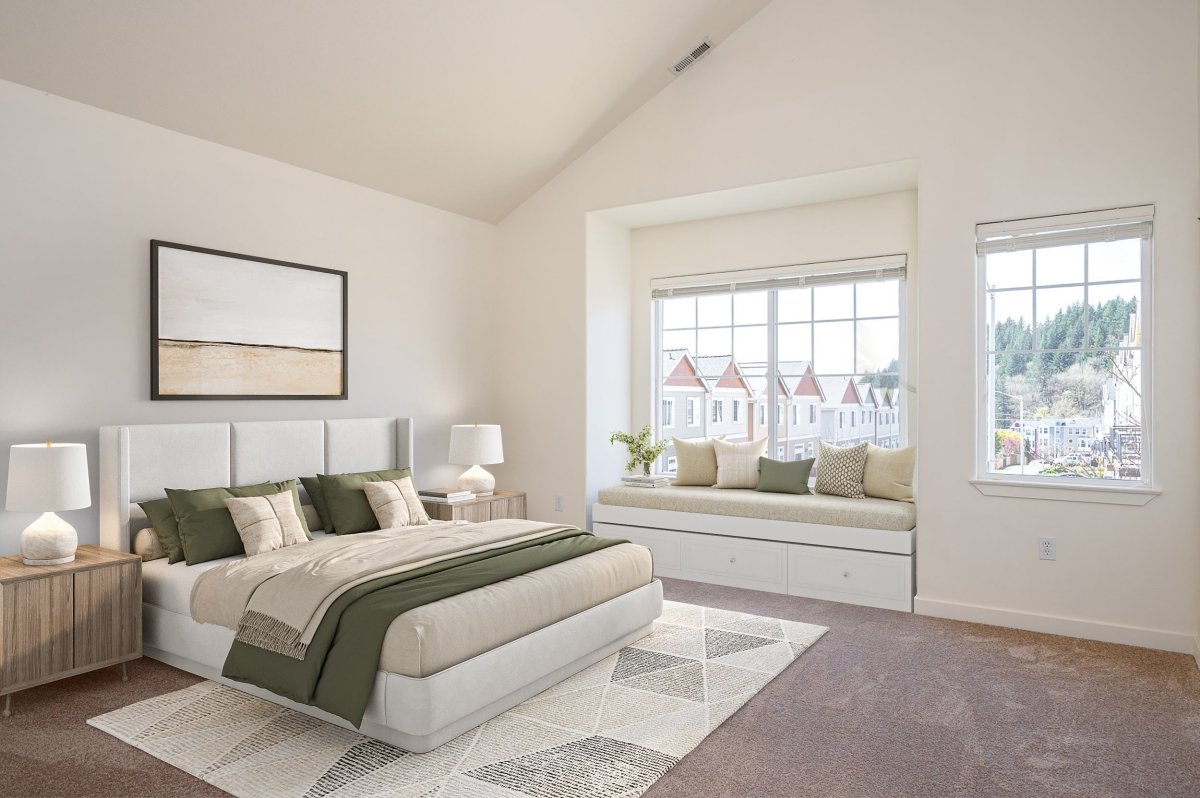
Virtual staging for real estate agents is more than a way to furnish vacant property photos. It is a flexible marketing tool that agents can use across online listings, social media posts, email campaigns, seller presentations, print materials, and digital advertising.
By transforming vacant or outdated rooms into attractive, professionally designed spaces, virtual staging helps buyers understand how each room could function. It also gives agents polished visual content that can be reused throughout the entire property marketing campaign.
With Bella Virtual Staging, real estate professionals can create realistic, market-ready images designed to support stronger listing presentations without arranging furniture delivery, installation, rental, or removal.
What Is Virtual Staging for Real Estate Agents?
Virtual staging is the process of digitally adding furniture, décor, artwork, rugs, lighting, and accessories to a property photo.
Instead of physically furnishing a vacant property, professional designers create a completed interior directly within the listing image. The finished photo helps buyers visualize the room’s purpose, proportions, furniture placement, and overall potential.
For real estate agents, this means one professionally staged photo can support multiple parts of a marketing campaign.
A staged living room image, for example, may be used in:
- The MLS listing
- Property websites
- Instagram and Facebook posts
- Email announcements
- Digital advertisements
- Listing presentations
- Open-house materials
- Printed brochures
- Before-and-after marketing content
Explore Bella’s professional Virtual Staging Service to create polished property images for your next listing.
Why Virtual Staging Matters in Real Estate Marketing
Most buyers begin their property search online. Before they schedule a showing, they often make an initial decision based on the listing photos.
A vacant room may appear cold, smaller than expected, or difficult to understand. Buyers may not immediately know where a sofa, dining table, bed, or workspace could fit.
Virtual staging helps solve this problem by providing a realistic visual example.
Professionally staged images can help agents:
- Clarify the function of each room
- Demonstrate appropriate furniture scale
- Create a warmer and more inviting presentation
- Define open-concept areas
- Highlight architectural features
- Appeal to the property’s target buyer
- Create consistent marketing content
- Present a more complete listing strategy to sellers
Virtual staging does not change the physical condition of the property. Instead, it helps communicate the possibilities of the space through carefully designed marketing images.
How Real Estate Agents Can Use Virtually Staged Images
1. Strengthen Online Property Listings
The main purpose of virtual staging is often to improve the visual presentation of an online property listing.
Vacant rooms may provide a clear view of the property, but they can also make it harder for buyers to understand scale and function. Adding realistic furniture gives buyers a visual reference while helping the listing feel more welcoming.
Agents can use virtually staged images for:
- Living rooms
- Bedrooms
- Dining areas
- Home offices
- Basements
- Outdoor living areas
- Open-concept spaces
- Flex rooms
- Vacant rental units
Use the strongest staged image as the listing’s primary or featured photo when permitted by the platform. This image should immediately communicate the property’s style, condition, and lifestyle potential.
Whenever virtually staged photos are used, label them clearly according to local MLS and advertising requirements. Keep the original vacant photos available so buyers can compare the staged concept with the actual condition of the property.
2. Create Before-and-After Social Media Content
Before-and-after posts are an effective way to show how a vacant room can be transformed through thoughtful design.
The original image creates curiosity, while the staged version provides the visual impact. This format works particularly well for Instagram carousels, Facebook posts, TikTok videos, Instagram Reels, and LinkedIn updates.
A simple carousel could include:
Slide 1: Vacant room
Slide 2: Virtually staged room
Slide 3: Design details or furniture style
Slide 4: Property highlights
Slide 5: Call to action
Agents can also create short videos that transition from the vacant image to the completed design.
Possible captions include:
- See the potential in every room.
- From vacant to buyer-ready.
- Helping buyers visualize what comes next.
- One room, completely reimagined.
- Strategic marketing starts with strong visuals.
Social media posts should include the property location, key features, listing status, and a clear instruction such as “Schedule a private showing” or “Contact me for property details.”
3. Improve Email Marketing Campaigns
Virtually staged photos can make property emails more visually appealing and easier to understand.
Instead of sending a text-heavy announcement, agents can place the strongest staged image near the top of the email. This immediately introduces the property’s mood and helps encourage recipients to continue reading.
Staged images can be used in:
- Just-listed emails
- Coming-soon announcements
- Broker updates
- Open-house invitations
- Price-adjustment campaigns
- Buyer follow-ups
- Seller marketing reports
- Newsletter features
A strong property email may include:
- A clear subject line
- One attention-grabbing staged image
- The property’s main selling points
- A short description
- A showing or inquiry button
- A link to the complete listing
Agents can also send a before-and-after image to demonstrate how the property is being marketed creatively.
4. Enhance Listing Presentations for Sellers
Virtual staging can also help agents win new listings.
During a listing presentation, agents can explain how vacant or outdated rooms will be presented to buyers. This shows sellers that the marketing plan goes beyond taking basic property photos and publishing them online.
Agents may include the following in a seller presentation:
- Before-and-after virtual staging examples
- Recommended rooms to stage
- Proposed interior design style
- Sample social media posts
- Example listing advertisements
- Email marketing concepts
- Expected marketing timeline
- Photo disclosure practices
This approach demonstrates preparation, attention to detail, and a clear visual marketing strategy.
For properties that contain outdated or mismatched furnishings, Bella also offers Furniture Removal and Virtual Staging, allowing existing items to be digitally removed before updated furniture is added.
5. Create Property Brochures and Feature Sheets
Virtually staged photos can be included in printed or digital property brochures, provided they are clearly identified.
A brochure may combine:
- Staged hero images
- Original property photos
- Floor plans
- Property specifications
- Neighborhood information
- Agent contact details
- Showing instructions
The staged images create visual interest, while the original photos and floor plan provide factual information about the property.
Agents can also use Bella’s 2D and 3D Floor Plan Services to help buyers understand the layout and relationship between rooms.
6. Support Open-House Marketing
Even though the physical property remains vacant, virtual staging can still support the open-house experience.
Agents can print staged images and display them on easels or presentation boards inside the corresponding rooms. This allows visitors to see one possible furniture arrangement while standing inside the actual space.
Staged images may also be used for:
- Open-house invitations
- Directional signs
- Registration pages
- Social media reminders
- Follow-up emails
- Digital display screens
- Take-home brochures
The goal is not to suggest that the furniture is physically present. Instead, the staged image serves as a visual planning tool that helps buyers imagine using the room.
7. Build a Consistent Personal Brand
Strong property visuals also contribute to an agent’s overall brand.
When listings are presented consistently, potential sellers may begin to associate the agent with polished marketing, thoughtful preparation, and professional service.
Agents can develop a consistent visual identity by using:
- Similar image dimensions
- Consistent typography
- Branded social media templates
- Coordinated colors
- Clear disclosure labels
- Professional photography
- Realistic staging styles
- Repeated calls to action
However, the furniture style should still match the individual property and its likely buyer.
A luxury condominium may benefit from a refined contemporary interior, while a family home may need a warmer and more practical design. The marketing should feel consistent without making every property look identical.
Where Agents Can Use Staged Images
| Marketing Channel | How to Use Virtually Staged Images | Primary Goal |
|---|---|---|
| MLS and Property Portals | Upload virtually staged images alongside the original vacant photos. | Help buyers understand each room’s function, scale, and potential. |
| Instagram and Facebook | Share before-and-after carousels, stories, reels, and property feature posts. | Increase engagement, reach, and interest in the listing. |
| Email Campaigns | Use a strong staged image as the main visual in listing announcements and newsletters. | Encourage recipients to view the listing, make inquiries, or schedule a showing. |
| Listing Presentations | Include staging examples and explain how the images will support the property’s marketing strategy. | Demonstrate added value and marketing expertise to potential sellers. |
| Property Brochures | Combine staged images with floor plans, property details, and agent contact information. | Create a professional and informative resource for buyers. |
| Digital Advertisements | Feature the strongest staged image with a clear and direct call to action. | Drive traffic to the listing and generate qualified leads. |
| Open Houses | Display printed staged concepts inside the corresponding vacant rooms. | Help visitors visualize furniture placement and room functionality. |
| Agent Websites | Add staged images to active listings, case studies, portfolios, and service pages. | Strengthen the agent’s professional image and online brand. |
Choosing the Right Rooms to Stage
It is not always necessary to stage every image in a property listing. Agents can prioritize the rooms that have the greatest influence on buyer understanding.
Consider staging:
The Living Room
The living room is often one of the most important spaces in a listing. Staging can demonstrate furniture scale, conversation areas, traffic flow, and the relationship between the room’s architectural features.
The Primary Bedroom
A vacant bedroom may appear smaller or less inviting than it actually is. A properly scaled bed, nightstands, rug, lighting, and simple décor can help communicate comfort and proportion.
The Dining Area
Dining spaces can be difficult to understand when they are empty, especially within open-concept layouts. A dining table and chairs clearly define the area and demonstrate capacity.
The Home Office
A small bedroom, den, landing, or awkward corner may become more marketable when presented as a functional home office.
Flexible or Unusual Rooms
Bonus rooms, basements, lofts, and narrow spaces may need additional visual explanation. Virtual staging can demonstrate whether the room works best as a gym, office, media room, playroom, guest room, or lounge.
Outdoor Spaces
Balconies, patios, and terraces can be staged with appropriately scaled outdoor furniture to communicate lifestyle potential.
Selecting the Right Design Style
The virtual staging style should complement the property rather than compete with it.
Before submitting a project, consider:
- The home’s architecture
- Existing finishes
- Property location
- Listing price
- Target buyer
- Room size
- Natural lighting
- Neighborhood expectations
Common staging styles include:
- Contemporary
- Modern
- Transitional
- Scandinavian
- Coastal
- Mid-century modern
- Farmhouse
- Traditional
- Luxury modern
- Minimalist
- Japandi
Neutral furniture and décor are often effective because they appeal to a broad audience. However, neutral does not have to mean plain. Texture, wood tones, artwork, rugs, and subtle accent colors can create warmth without overwhelming the room.
Bella Virtual Staging uses professional designers to create realistic furniture arrangements suited to the property’s layout and intended market.
How to Prepare Photos for Virtual Staging
The final result depends heavily on the quality of the original photograph.
Before submitting listing photos, agents should:
- Use high-resolution images
- Photograph rooms in landscape orientation
- Keep the camera level
- Capture the entire room whenever possible
- Use natural and balanced lighting
- Avoid extreme wide-angle distortion
- Remove personal belongings and clutter
- Open curtains or blinds when appropriate
- Clean visible surfaces
- Avoid blurry or compressed images
- Keep permanent architectural features visible
The room should also be photographed from an angle that clearly communicates its layout.
For properties that are occupied or contain unwanted furniture, digital removal may be completed before new furnishings are added. More extensive visual updates may require Bella’s Virtual Renovation and Staging Service.
Best Practices for Marketing Virtually Staged Properties
Use Realistic Furniture Scale
Furniture should fit the room accurately. Oversized items can make a space appear smaller, while furniture that is too small may create unrealistic expectations.
Match the Property
The furniture, colors, and décor should complement the home’s architectural style, finishes, and price range.
Avoid Overdecorating
The design should clarify the space rather than distract from it. Clean layouts and carefully selected accessories usually create a stronger presentation than excessive décor.
Keep Important Features Visible
Do not cover fireplaces, windows, doors, built-in storage, or architectural details with digital furniture.
Include Original Photos
Where required, provide the original vacant image together with the virtually staged version. This supports transparency and allows buyers to understand the actual condition of the room.
Label Staged Images Clearly
Add a clear “Virtually Staged” label and follow the rules of the relevant MLS, advertising platform, brokerage, and local market.
Maintain Visual Consistency
Use furniture styles and color palettes that feel connected throughout the property. Rooms should look as though they belong to the same home.
Review Before Publishing
Check each image carefully before adding it to a listing. Confirm that furniture does not block doors, float above the floor, overlap permanent features, or create an unrealistic room layout.
A Simple Virtual Staging Marketing Workflow
Real estate agents can follow this practical process:
Step 1: Identify the Most Important Rooms
Choose the spaces that need additional visual explanation or have the strongest marketing value.
Step 2: Prepare Professional Photos
Use bright, clear, high-resolution images with level camera angles and minimal distortion.
Step 3: Select a Design Direction
Choose a style that reflects the architecture, location, price range, and likely buyer.
Step 4: Submit the Images for Virtual Staging
Provide room names, preferred furniture styles, target buyer information, and any specific placement instructions.
Step 5: Review the Completed Images
Check realism, furniture scale, room function, design consistency, and architectural accuracy.
Step 6: Add the Images to the Listing
Publish the staged and original images according to local advertising and MLS requirements.
Step 7: Repurpose the Content
Use the staged photos in social media posts, email campaigns, listing presentations, brochures, advertisements, and open-house materials.
Step 8: Track the Response
Monitor listing views, saves, inquiries, email clicks, social engagement, and showing requests. This can help identify which images and marketing formats perform best.
Common Mistakes Real Estate Agents Should Avoid
Virtual staging can strengthen a listing, but poor execution may reduce buyer trust.
Avoid:
- Using unrealistic or low-quality staging
- Choosing furniture that does not fit the room
- Mixing unrelated design styles
- Covering important architectural features
- Altering permanent property details
- Making rooms appear larger than they are
- Using staged photos without disclosure
- Publishing only staged images when originals are required
- Selecting décor that is too personal or distracting
- Forgetting to reuse the images across other marketing channels
The best virtual staging supports the property’s presentation without misrepresenting its physical condition.
Virtual Staging as Part of a Complete Marketing Strategy
Virtual staging is most effective when it works together with other professional marketing materials.
Agents can combine staged images with:
- Professional real estate photography
- HDR photo editing
- Floor plans
- Property videos
- Virtual tours
- Detailed listing descriptions
- Neighborhood information
- Social media campaigns
- Email marketing
- Print brochures
- Digital advertising
Bella Virtual Staging offers a range of real estate visualization and photo services that can help agents create a more complete listing presentation.
Frequently Asked Questions
Is virtual staging useful for real estate agents?
Yes. Virtual staging helps agents show the possible function, scale, and style of vacant or outdated rooms. The completed images can also be reused across listings, social media, emails, presentations, brochures, and advertisements.
Can virtual staging be used on the MLS?
Virtual staging may be used on many MLS platforms, but requirements vary. Agents should clearly label digitally staged images, retain the original photos, and confirm the rules of their MLS, brokerage, and local market before publishing.
Should agents include the original vacant photos?
Including the original photos is a good transparency practice and may be required by the applicable listing platform. Buyers should be able to distinguish between the property’s actual condition and the digitally staged concept.
How many rooms should be virtually staged?
The answer depends on the property. Agents often prioritize the living room, primary bedroom, dining area, home office, and any room whose purpose is difficult to understand when vacant.
Can existing furniture be removed?
Yes. Existing furniture and distracting items can often be digitally removed before new furnishings are added. This is useful for occupied properties with outdated, oversized, mismatched, or highly personalized furniture.
What design style should agents choose?
The staging style should complement the property’s architecture, location, finishes, listing price, and target buyer. Neutral modern, contemporary, transitional, Scandinavian, and coastal styles are common, but the best choice depends on the individual home.
Can staged images be used on social media?
Yes. Agents can use staged photos for listing announcements, before-and-after carousels, reels, stories, paid advertisements, open-house posts, and educational content. Each post should include an appropriate disclosure when the image has been virtually staged.
How quickly can virtual staging be completed?
Turnaround time depends on the provider, number of photos, project complexity, and requested revisions. Bella Virtual Staging currently lists a standard turnaround of approximately 24–48 hours for its professional virtual staging service.
Final Thoughts
Virtual staging for real estate agents is not limited to improving vacant listing photos. It can become a practical part of the entire property marketing strategy.
Agents can use professionally staged images to strengthen MLS listings, create engaging social media content, improve email campaigns, enhance listing presentations, support open houses, and build a more polished personal brand.
The key is to use realistic staging, choose an appropriate design style, maintain transparency, and repurpose each image across multiple marketing channels.
Ready to create buyer-friendly visuals for your next property?
Explore Bella Virtual Staging or order the professional Virtual Staging Service to transform vacant property photos into polished, market-ready images.