August 18, 2026 · Bella Staging
Bella Virtual Staging Before and After: What Makes the Biggest Difference?
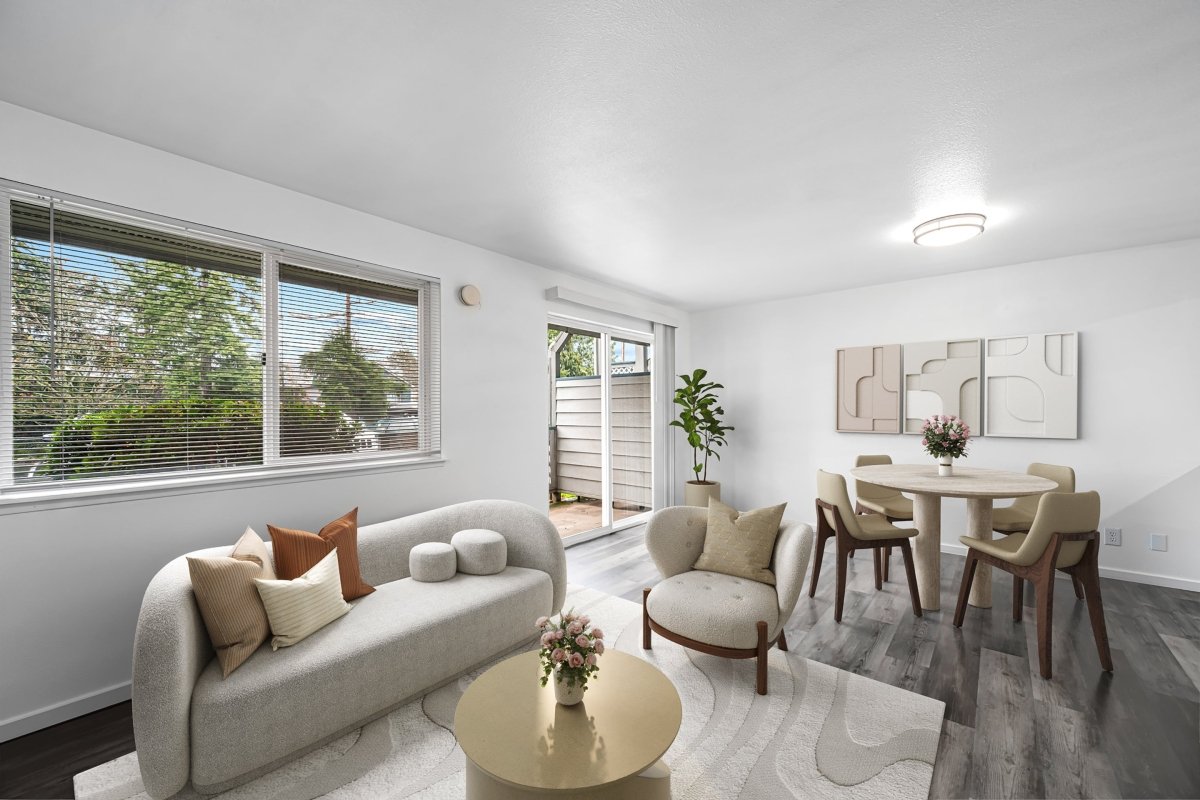
When buyers scroll through property listings, a vacant room can make it difficult to understand the home's true potential. Even when a space has excellent natural light, attractive flooring, and generous dimensions, buyers may still wonder where furniture will fit, how large the room really is, or how the space could function in everyday life.
That is why the difference between a Bella Virtual Staging before-and-after image can be so noticeable.
Professional virtual staging is not simply about placing digital furniture inside a vacant photo. Instead, it is about helping you present the property more clearly, establish scale, define each room's purpose, and create a stronger emotional connection with potential buyers.
A thoughtfully staged image gives buyers important visual clues that a vacant room often cannot provide on its own.
So, what actually creates the biggest difference in a virtual staging before-and-after transformation?
The answer comes down to a combination of furniture scale, design direction, layout, realism, visual balance, and an understanding of how buyers experience real estate photography.
1. Giving a Vacant Room a Clear Purpose
One of the biggest challenges with vacant real estate photography is that buyers have very little visual context.
A vacant rectangular room might be a living room, dining area, home office, or combination space. Without furniture, buyers are left to figure it out themselves.
Professional virtual staging removes much of that uncertainty.
For example, adding a properly scaled sofa, coffee table, rug, side tables, lighting, and carefully selected décor immediately identifies a vacant room as a functional living area. Similarly, a bed, nightstands, rug, and artwork can help buyers understand the proportions of a bedroom.
The transformation works because buyers are no longer looking at an empty space. Instead, they are looking at one realistic interpretation of how the room can function.
At Bella Virtual Staging, the goal is to give buyers enough visual direction to understand the property without overwhelming the room with unnecessary furniture or décor.
Before Virtual Staging
A buyer may see:
- Empty floors
- Blank walls
- Unclear furniture placement
- Difficult-to-judge dimensions
- No obvious use for an awkward area
- Little visual warmth
After Virtual Staging
The same buyer can immediately see:
- A defined room purpose
- Realistic furniture placement
- Better visual scale
- Comfortable circulation space
- A cohesive design direction
- A more inviting presentation
That difference can make the listing easier to understand at a glance.
2. Furniture Scale Can Change How Buyers Perceive the Room
Furniture selection alone does not create an effective before-and-after transformation. Scale matters just as much.
Furniture that is too large can make a room look cramped. Conversely, pieces that are too small can distort the perceived dimensions of the space.
That is why Bella's designer-led approach focuses on selecting furniture that works with the proportions, perspective, and layout visible in the original property photo.
A strategically placed sofa can demonstrate the width of a living room. A dining table can show how many people the space might accommodate. Meanwhile, a properly scaled bed can make it easier to understand how much usable floor space remains in a bedroom.
In other words, staging provides buyers with recognizable visual references.
The result is not simply a more attractive listing image. More importantly, it can make the size and functionality of the room easier to understand.
For real estate professionals, this is especially helpful when marketing rooms that appear smaller, larger, or less defined in photographs than they do in person.
Have a vacant listing that buyers may struggle to visualize? Bella Virtual Staging can transform your listing photos with a 24-hour turnaround.
3. The Right Design Style Makes the Property Feel Cohesive
Another major difference between a vacant photo and a professionally staged image is visual identity.
The furniture and décor should complement the property rather than compete with it.
For instance, a contemporary condominium may benefit from clean furniture profiles, restrained accessories, and modern finishes. Meanwhile, a traditional or suburban property may look more natural with softer furnishings and warmer design elements.
The objective is not to force every property into the same design template.
Instead, the staging should support the architecture, room proportions, listing position, and likely target buyer.
Depending on the property, a virtual staging design may lean toward:
- Modern
- Contemporary
- Scandinavian
- Transitional
- Traditional
- Farmhouse
- Coastal
- Luxury
- Minimalist
However, selecting a style is only the beginning.
The strongest virtual staging also considers how individual pieces work together. The sofa, coffee table, rug, artwork, lighting, plants, and accessories should feel like part of the same room rather than separate objects placed into a photo.
This is also why consistency matters across multiple staged rooms.
When the living room, dining room, bedrooms, and other spaces follow a coordinated design direction, the listing feels like one complete property rather than a collection of unrelated images.
Consequently, buyers can move through the listing photos more naturally and develop a clearer impression of the home's overall character.
4. A Strong Furniture Layout Creates Better Visual Flow
Furniture placement can dramatically change the way buyers interpret a room.
In a strong before-and-after transformation, furniture is positioned to emphasize the best aspects of the existing space.
For example, a seating arrangement may direct attention toward a fireplace, large window, or attractive view. A bed can establish balance around a feature wall. Meanwhile, a dining arrangement can demonstrate how an open-plan area connects with the kitchen and living space.
Effective staging should also preserve visual breathing room.
Filling every available area with furniture rarely makes the room stronger. Instead, carefully planned negative space can help the property appear more comfortable and easier to navigate.
This is particularly important in real estate photography because buyers are viewing the room from one fixed camera position.
Furniture needs to make sense not only as an interior layout but also as a composition within the photograph.
Therefore, one of the most important differences in a Bella Virtual Staging before-and-after image is often subtle: the staged version gives the viewer's eye somewhere to go.
5. The Best Staging Highlights the Property, Not the Furniture
Beautiful furniture can improve a vacant listing image, but the furniture should never become more important than the property itself.
The buyer is purchasing the home—not the virtual sofa.
Therefore, professional virtual staging should help emphasize existing selling features.
These may include:
- Large windows
- Natural light
- Hardwood flooring
- High ceilings
- Fireplaces
- Built-in shelving
- Architectural details
- Open-concept layouts
- Kitchen islands
- Attractive views
- Spacious floor plans
For example, if a room includes floor-to-ceiling windows, furniture placement should preserve those windows as an important focal point.
Likewise, if a living room features a fireplace, the staging should support the fireplace rather than visually compete with it.
This balance helps ensure that the finished image remains focused on the real estate.
6. Warmth and Lifestyle Help Buyers Build an Emotional Connection
A vacant property photo documents the room.
A professionally staged property photo can help communicate a lifestyle.
That difference matters because buyers are not only evaluating square footage, flooring, windows, and walls. They are also trying to determine whether they can imagine themselves living in the property.
A rug can make a living area feel more grounded. Lamps can create visual warmth. Artwork can add personality. Plants and carefully chosen accessories can make a room feel finished without making it cluttered.
A staged dining room may help a buyer picture family dinners.
A staged living room may suggest quiet evenings or entertaining guests.
A staged home office may help a remote worker recognize that the property can support their daily routine.
These details make the room easier to relate to emotionally.
However, successful staging requires restraint.
The permanent features of the property should remain the focus. Furniture and décor should complement the room rather than distract buyers from architectural elements such as flooring, cabinetry, windows, ceiling height, fireplaces, or built-ins.
The strongest transformation is not the room with the most furniture. It is the room where every design choice helps buyers understand the property more quickly.
7. Virtual Staging Can Make Open-Concept Spaces Easier to Understand
Open-concept properties can look impressive in person, but large vacant areas are sometimes difficult to interpret in listing photos.
Where does the living room end?
Where should the dining table go?
How much space remains between the kitchen and seating area?
Without furniture, these zones may blend together.
Virtual staging can visually divide the space without adding physical walls.
For example, a rug and seating arrangement can define the living room while a dining table establishes a separate dining zone nearby.
This helps buyers understand how multiple functions can coexist within the same open area.
Additionally, thoughtful staging can demonstrate circulation pathways between those zones, making the overall floor plan easier to understand.
8. Before-and-After Staging Can Reveal Overlooked Potential
Some of the most effective virtual staging transformations happen in spaces that buyers might otherwise overlook.
A vacant spare room may look too small or undefined. Once staged, however, it may become an inviting home office.
An empty corner may become a reading area.
A bonus room could be presented as a secondary living space.
Likewise, an awkward open area can become easier to understand once furniture establishes scale and circulation.
Virtual staging can therefore help answer an important buyer question:
"What could I do with this space?"
Instead of relying entirely on the buyer's imagination, the staged photo provides one clear and visually appealing possibility.
This can be especially valuable for:
- Bonus rooms
- Basements
- Dens
- Loft areas
- Small bedrooms
- Flex rooms
- Home offices
- Large open spaces
- Unusual floor plans
The room itself has not changed.
However, the way the buyer understands it can change significantly.
9. Living Room Before and After: Creating an Immediate Focal Point
Living rooms are often among the most important spaces to stage because they tend to appear early in a property's listing gallery.
A vacant living room may appear cold or disproportionately large. Additionally, buyers may have difficulty understanding where the main seating area should be located.
Virtual staging can introduce:
- A sofa
- Accent chairs
- Coffee tables
- Side tables
- Area rugs
- Lamps
- Artwork
- Plants
- Decorative accessories
However, placement is more important than quantity.
The furniture should frame the room's strongest selling feature while preserving enough open space to communicate the actual size of the room.
For example, if the living room contains a fireplace, the furniture arrangement can create a natural conversation area around it.
If the room has a large window, staging can preserve the view rather than blocking it.
The before-and-after transformation should help the buyer immediately understand how the room works.
10. Bedroom Before and After: Showing Comfort and Scale
Vacant bedrooms can be particularly difficult to judge from listing photos.
Without a bed, buyers may wonder whether the room can comfortably accommodate the furniture they already own.
Adding a bed immediately creates a familiar scale reference.
Depending on the available space, virtual staging may also include:
- Nightstands
- Bedside lamps
- Rugs
- Benches
- Dressers
- Artwork
- Accent chairs
- Minimal décor
The most effective bedroom staging avoids overcrowding.
Instead, it demonstrates that the room can accommodate essential furniture while maintaining usable floor space.
For a primary bedroom, staging may also communicate a more elevated, comfortable atmosphere.
For a smaller bedroom, the goal may be to demonstrate functionality while keeping the layout visually open.
11. Dining Room Before and After: Helping Buyers Understand Capacity
Dining rooms and dining areas often benefit significantly from furniture because table dimensions provide an immediate sense of scale.
In a vacant image, it may be difficult to determine whether the space can accommodate four, six, or eight seats comfortably.
Virtual staging can make that much clearer.
A thoughtfully staged dining space may include:
- Dining table
- Dining chairs
- Area rug
- Pendant lighting already present in the room
- Artwork
- Sideboard
- Decorative centerpiece
The table should fit naturally within the architecture while leaving realistic circulation space around it.
This helps buyers visualize not only the design of the space but also how it could function during everyday meals or entertaining.
12. Home Office Before and After: Showing Modern Functionality
A room does not always have to be staged as a bedroom.
In some properties, presenting a smaller room as a home office may communicate its potential more effectively.
Virtual staging can add:
- Desk
- Office chair
- Shelving
- Task lighting
- Artwork
- Storage pieces
- Minimal accessories
The result can help buyers see functionality where they may otherwise see only an empty spare room.
This is especially valuable when the property includes several flexible spaces.
Rather than leaving buyers to guess how those areas might be used, virtual staging can provide visual possibilities.
13. Small Rooms Can Benefit From Carefully Controlled Staging
Some property owners worry that adding furniture to a small room will make it look smaller.
That can happen when staging is poorly executed.
However, professional staging can do the opposite.
Correctly scaled furniture provides context while carefully planned spacing prevents visual clutter.
For example, a small bedroom may only need:
- One appropriately scaled bed
- Two compact nightstands
- A simple rug
- Minimal artwork
Adding too many pieces could overwhelm the room.
Therefore, the objective is to communicate function with as little visual clutter as possible.
This is another area where designer judgment becomes important.
14. Large Vacant Rooms Also Need Visual Scale
Interestingly, oversized rooms can be just as difficult to understand as small ones.
A large vacant living area may feel empty and disconnected.
Furthermore, the absence of furniture can make it difficult to determine the actual distance between walls.
Strategic staging can create appropriate zones within the room.
For example, a large living area might include a primary seating arrangement plus a secondary reading space.
However, the design should still leave enough open area to demonstrate the property's generous dimensions.
This creates a balance between showing functionality and preserving the sense of spaciousness.
15. Why Bella's Designer-Led Approach Matters
The quality of virtual staging depends heavily on design judgment.
One-click AI staging may generate furniture quickly, but speed alone does not guarantee that the furniture is appropriate for the property.
Automated results can struggle with:
- Furniture scale
- Room perspective
- Architectural details
- Object placement
- Shadows
- Furniture orientation
- Style consistency
- Realistic circulation
- Unusual room layouts
Bella Virtual Staging takes a designer-led approach instead.
That means the objective is not simply to fill a vacant image.
Each staging decision should make sense for the room, support the property's features, and contribute to a realistic final presentation.
This human design process becomes particularly valuable when a property contains unusual layouts, open-concept spaces, unique architecture, or rooms where furniture placement is not immediately obvious.
Ultimately, buyers should notice the potential of the property—not the technology used to create the image.
16. Realism Is What Makes the Transformation Believable
Even beautiful furniture will not create an effective before-and-after result if the final image does not look believable.
Perspective, proportion, furniture placement, lighting, and shadows all contribute to realism.
Furniture should sit naturally within the room.
Objects should follow the perspective of the original photograph.
Décor should complement the environment.
Additionally, staging should respect visible architectural features rather than hiding or altering them in ways that could create an unrealistic impression of the property.
Small details can make a large visual difference.
For example, furniture that appears to float above the floor can immediately reduce realism. Similarly, a sofa positioned at an impossible angle can make the room feel digitally manipulated.
Professional virtual staging therefore requires both design judgment and careful visual execution.
The final image should feel polished, intentional, and suitable for real estate marketing while still allowing buyers to understand the actual property.
17. Consistency Across the Listing Creates a Stronger Presentation
A buyer rarely evaluates only one property photo.
Instead, they usually move through the entire listing gallery.
That means every image contributes to the overall impression of the home.
If one room feels modern, another feels traditional, and another contains completely different furniture styles, the listing can feel visually disconnected.
Bella Virtual Staging can create a more consistent design direction across multiple rooms.
For example:
- Similar wood tones can appear throughout the property.
- Furniture styles can complement one another.
- Décor can follow a consistent level of formality.
- Rooms can maintain a compatible visual palette.
- Accessories can feel coordinated without being identical.
This consistency makes the listing easier to view as one complete home.
18. The Original Photography Still Matters
Virtual staging can transform a vacant room, but the quality of the original photo still plays an important role in the finished result.
For the strongest staging outcome, property photographs should ideally be:
- High resolution
- Sharp and in focus
- Well exposed
- Taken from a useful room angle
- Free from unnecessary obstructions
- Level rather than heavily tilted
- Large enough to clearly show the room
The photograph should also provide enough information about the space for appropriate furniture placement.
For example, an image that shows several walls and the majority of the floor area generally provides more context than an extremely tight crop.
Better source photography gives designers more visual information to work with.
As a result, the final virtual staging can feel more natural and balanced.
19. What Should You Send for Virtual Staging?
Preparing your photos for virtual staging is straightforward.
Start with your best vacant property images.
Whenever possible, choose photographs that clearly show:
- The overall room
- Flooring
- Windows
- Doors
- Major architectural features
- The primary wall areas
- Enough floor space for furniture placement
You can also provide staging preferences when appropriate.
For example, you may already know that you want:
- A modern living room
- A luxury primary bedroom
- A Scandinavian dining room
- A home office instead of a bedroom
- A warm transitional design
Providing clear direction can help ensure that the finished staging aligns with your listing presentation.
However, if you are uncertain about the best furniture arrangement or design style, professional designers can interpret the room and create an appropriate direction.
20. Virtual Staging Can Support a More Consistent Marketing Workflow
Real estate marketing often moves quickly.
Once photography is complete, the next steps may include listing preparation, MLS uploads, property websites, social media promotion, email marketing, and agent outreach.
Waiting several days for staging can slow down that process.
Bella Virtual Staging offers a 24-hour turnaround, helping you move from vacant property photos to professionally staged listing visuals without creating an unnecessary delay in your marketing workflow.
This can be particularly helpful for:
- Real estate agents
- Real estate photographers
- Property managers
- Developers
- Builders
- Investors
- Marketing teams
- Brokerages
Instead of treating staging as a separate, lengthy part of the process, virtual staging can fit more naturally into a fast-moving real estate marketing schedule.
21. Before-and-After Images Can Also Help Sellers Understand the Strategy
Virtual staging does not only benefit buyers.
Before-and-after comparisons can also help property sellers understand why certain rooms may benefit from staging.
A seller may already know the property extremely well. Therefore, imagining furniture in a vacant room may feel easy to them.
However, buyers do not have the same familiarity.
Showing the difference between a vacant image and a professionally staged version can make that distinction clearer.
The seller can see how:
- Furniture establishes scale
- Décor adds warmth
- Layout defines room function
- Design creates stronger visual hierarchy
- Staging helps the listing feel more complete
This can make conversations around listing presentation easier for agents and photographers.
22. What Professional Virtual Staging Should Avoid
Sometimes, what is left out of an image is just as important as what is added.
Professional staging should avoid choices that reduce realism or distract from the property.
These may include:
- Oversized furniture
- Excessive accessories
- Unrealistic furniture placement
- Furniture blocking doors
- Furniture covering architectural features
- Too many design styles in one space
- Objects that distort the room's apparent dimensions
- Layouts that would not function in real life
- Decorative elements that dominate the image
The purpose is not to create a fantasy interior.
Instead, the goal is to create an appealing but believable representation of how the existing room could be furnished.
23. Why the "After" Image Should Still Feel Like the Same Property
A strong virtual staging transformation can be dramatic without making the room unrecognizable.
The viewer should still clearly see the original:
- Walls
- Windows
- Flooring
- Ceiling
- Room dimensions
- Architectural layout
- Built-in features
The furniture adds context, but the property remains the foundation of the image.
This distinction is important.
The best before-and-after result does not make buyers think, "That looks like a completely different room."
Instead, it helps them think, "Now I understand what this room could look like."
That is a much more useful transformation for real estate marketing.
What Makes the Biggest Difference in a Bella Virtual Staging Before and After?
Although furniture, décor, styling, and layout all contribute to the transformation, the biggest difference is clarity.
Successful virtual staging helps buyers understand several things almost immediately:
Purpose
How could this room be used?
Scale
What type and amount of furniture can comfortably fit?
Layout
Where would major furniture pieces naturally belong?
Lifestyle
What might living in this property feel like?
Potential
How could an otherwise vacant or overlooked area become useful?
When those elements work together, a vacant room becomes much easier to understand.
That is the real purpose of the transformation.
Bella Virtual Staging does not simply add furniture for decoration.
Instead, professional staging helps you communicate the potential of your property through carefully designed listing images.
With a 24-hour turnaround, you can move from vacant photography to listing-ready staged visuals without delaying your marketing schedule.
Bella Virtual Staging Before-and-After FAQs
What types of vacant rooms can Bella Virtual Staging transform?
Bella Virtual Staging can transform living rooms, bedrooms, dining areas, home offices, bonus rooms, flex spaces, open-concept areas, and many other vacant interior spaces where furniture can help communicate scale and purpose.
How quickly can I receive my virtually staged images?
Bella Virtual Staging provides a 24-hour turnaround, helping real estate professionals prepare their listing visuals quickly.
What makes the biggest difference in a virtual staging before-and-after image?
The biggest difference is usually improved visual clarity. Furniture helps define room purpose, establish scale, demonstrate layout, and create a stronger sense of lifestyle.
Can virtual staging help with an awkward or difficult-to-understand room?
Yes. Strategic furniture placement can help define unusual layouts and show buyers one practical way the available space could be used.
Does Bella use the same furniture style for every property?
No. A designer-led approach allows furniture and décor selections to complement the individual property's architecture, proportions, layout, and overall presentation.
Can a small room be virtually staged without making it appear crowded?
Yes. The key is selecting correctly scaled furniture and limiting unnecessary pieces. A professional designer can create enough context to demonstrate functionality while maintaining visual breathing room.
Can a large vacant room benefit from virtual staging?
Yes. Large rooms can sometimes be difficult to understand because buyers have no objects for scale. Virtual staging can create functional zones and provide familiar size references while preserving the room's spacious appearance.
Can open-concept rooms be virtually staged?
Yes. Virtual staging can be particularly useful for open-concept spaces because furniture can help establish separate living, dining, and work zones without changing the actual layout.
What type of photo works best for virtual staging?
High-resolution, well-lit images that clearly show the room's floors, walls, windows, doors, and architectural features generally provide the best starting point.
Should I tell Bella which design style I want?
You can provide a preferred design direction if you have one. However, if you are unsure, the room can be evaluated to determine an appropriate furniture arrangement and style.
Can virtual staging help buyers understand room dimensions?
Yes. Familiar objects such as sofas, beds, tables, and chairs provide visual scale references that can make room dimensions easier to interpret from a photograph.
Why is realistic furniture placement important?
Furniture that appears incorrectly scaled or placed can distract buyers and make the image feel artificial. Realistic placement helps the finished staging feel more believable and professional.
Should every vacant room in a listing be staged?
Not necessarily. Priority can be given to the rooms that have the greatest impact on the overall presentation or are most difficult for buyers to visualize, such as living rooms, primary bedrooms, dining areas, and unusual flex spaces.
Why choose professional designer-led virtual staging instead of automated AI staging?
Professional designer-led staging gives you greater control over furniture scale, room perspective, layout, style consistency, architectural details, and realism.
Automated AI staging may create furniture quickly, but the results can introduce inaccurate proportions, inconsistent design choices, or objects that do not properly interact with the room.
For professional real estate marketing, those details matter.
How long does Bella Virtual Staging take?
Bella Virtual Staging has a 24-hour turnaround, helping you keep your listing preparation moving without unnecessary delays.
Turn Your Vacant Photos Into Buyer-Friendly Listing Images
The most successful Bella Virtual Staging before-and-after transformations do more than make a vacant room look furnished.
They make the property easier to understand.
Through appropriate furniture scale, thoughtful layouts, coordinated design, realistic details, and a designer-led approach, virtual staging can help buyers visualize how a property could function as a home.
Additionally, strong staging can help define open spaces, reveal the potential of overlooked rooms, highlight important architectural features, and give buyers familiar visual references for understanding scale.
Most importantly, the property remains the focus.
The furniture simply helps tell its story more clearly.
Moreover, you do not have to delay your listing while waiting for finished visuals. Bella Virtual Staging provides a 24-hour turnaround, helping you prepare polished marketing images on a real estate timeline.
If you have vacant listing photos ready to transform, Bella Virtual Staging can help turn them into polished, buyer-friendly visuals designed for professional real estate marketing.
Ready to see what makes the biggest difference? Transform your vacant listing photos with Bella Virtual Staging and receive your completed images within 24 hours.